







What's Happening?
Vineyard Wind and GE Vernova have reached a settlement to conclude their legal dispute concerning the Vineyard Wind 1 offshore wind development off Massachusetts. The agreement, announced on Wednesday, resolves a conflict that arose after GE Vernova sought
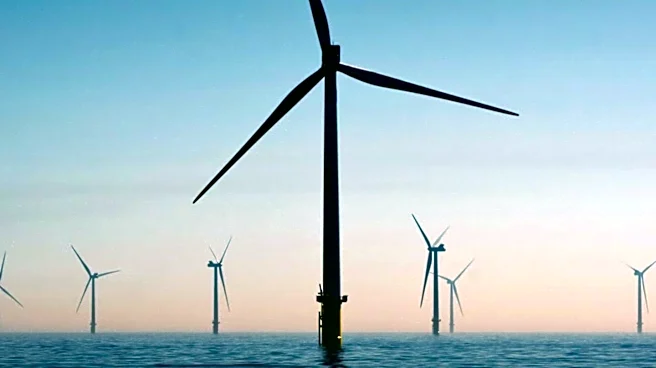
to terminate its involvement in the project, citing over $300 million in unpaid work. Vineyard Wind had challenged this move in Massachusetts state court and secured an injunction requiring GE Vernova to continue its work. The dispute was partly linked to costs and delays following a GE Vernova turbine blade failure in 2024, which led to debris on beaches and extensive inspection requirements. Vineyard Wind argued it was justified in withholding payments due to these issues, while GE Vernova maintained its right to terminate agreements over unpaid amounts. The terms of the settlement, including financial details, were not disclosed. All 62 turbines of the approximately $4.5-billion Vineyard Wind 1 project are now capable of producing electricity, with a total capacity of about 806 MW, designed to power over 400,000 homes and businesses.
Why It's Important?
This settlement is crucial for the U.S. offshore wind industry, as it removes significant uncertainty from one of the nation's largest offshore wind projects. The resolution ensures the continued involvement of GE Vernova, a key manufacturer for commissioning and servicing the specialized turbines, which Vineyard Wind had argued would be difficult to replace at this stage without severe project disruption. The dispute highlighted the financial and logistical challenges facing the nascent U.S. offshore wind sector, including rising construction costs, supply-chain issues, and project delays. The successful resolution of this high-profile case could instill greater confidence among investors and developers in the viability and stability of large-scale renewable energy projects in the U.S. It also sets a precedent for how commercial disagreements in complex infrastructure projects can be resolved, potentially mitigating future risks for similar ventures. The Vineyard Wind 1 project, owned by Avangrid Renewables and Copenhagen Infrastructure Partners, serves as a critical test case for the industry's ability to overcome obstacles and deliver on its clean energy commitments.
What's Next?
With the legal dispute resolved, the focus will now shift entirely to the full commissioning and operationalization of the Vineyard Wind 1 project. The agreement ensures GE Vernova's continued role, which is vital for the project's completion and long-term maintenance. This resolution is expected to accelerate the final stages of the project, allowing it to consistently supply electricity to the grid. The successful completion and operation of Vineyard Wind 1 could pave the way for other offshore wind developments in the U.S., potentially encouraging further investment and policy support for renewable energy. Industry stakeholders will likely monitor the project's performance and any lessons learned from the dispute to inform future contracts and risk management strategies. The U.S. offshore wind sector will continue to navigate challenges such as supply chain constraints and regulatory hurdles, but this settlement provides a positive signal for its future growth and stability.
Beyond the Headlines
The resolution of the Vineyard Wind and GE Vernova dispute extends beyond immediate project completion, touching upon broader implications for the U.S. energy transition and contractual frameworks in large-scale infrastructure. The incident involving the turbine blade failure and subsequent financial disagreements underscores the inherent risks and complexities in pioneering new energy technologies. It highlights the need for robust contractual agreements that clearly delineate responsibilities, payment schedules, and dispute resolution mechanisms, especially in projects with novel technical challenges. Furthermore, the case reflects the delicate balance between innovation and financial viability in the renewable energy sector. The industry's ability to absorb and manage such setbacks, as demonstrated by this settlement, will be critical for its long-term sustainability and public acceptance. This outcome could also influence how insurance and risk assessment are approached for future offshore wind projects, potentially leading to more comprehensive coverage and clearer liability clauses to protect all parties involved.