






What's Happening?
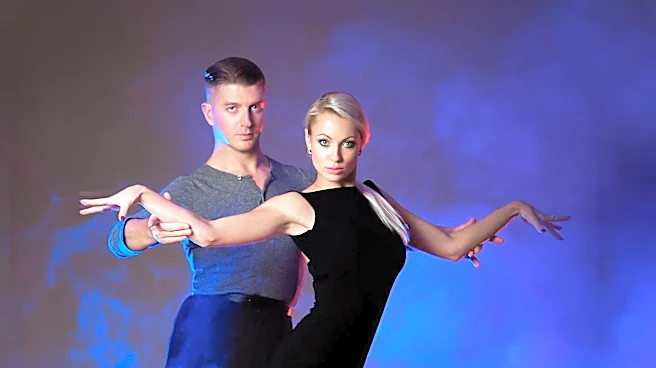
Season 35 of "Dancing With the Stars" features actress Tatyana Ali and professional dancer Jan Ravnik as a competing pair. Despite consistent praise from the judges for their emotional and improved performances, their scores on the leaderboard have often
not reflected the positive feedback. For instance, during Disney Night, judges Carrie Ann Inaba, Derek Hough, and guest judge Cynthia Erivo lauded their contemporary dance, with Inaba stating it gave her chills and was a "brilliant contemporary dance." However, the scores awarded were a 9 from Inaba and 8s from the other three panelists. This pattern of high praise not aligning with the scores has been observed throughout the season, including during Dedication Night and Horror Movie Night. Tatyana and Jan started the season with the lowest score among the eight women celebrities in the opening week but have shown significant improvement, with Derek Hough calling Ali the "most improved" celebrity. As of the reporting, they are one of only two couples remaining who have not yet received a perfect score of 10 from any judge.
Why It's Important?
The discrepancy between judges' verbal praise and their numerical scores on "Dancing With the Stars" can significantly impact audience perception and contestant morale. For Tatyana Ali and Jan Ravnik, this situation creates a narrative where their artistic and emotional contributions are acknowledged but not fully rewarded in the competition's scoring system. This can influence viewer voting, as audiences often look to judges' scores as a guide for performance quality. The inconsistency also raises questions about the judging criteria and whether technical execution is prioritized over emotional impact, or if there's a strategic element to scoring that isn't immediately apparent. For the show itself, such discrepancies can fuel discussions among fans and critics, potentially affecting its credibility or generating debate, which can be both a challenge and a source of engagement for a reality competition series.
What's Next?
Tatyana Ali and Jan Ravnik are scheduled to perform a tango to "Boom Boom Pow" by the Black Eyed Peas for Grammy Night in the upcoming week. This performance will be a crucial opportunity for the pair to potentially earn their first perfect score of 10 from a judge, which has eluded them thus far in Season 35. The outcome of this performance and the judges' scoring will be closely watched, especially given the ongoing pattern of their scores not fully matching the judges' verbal commendations. Their ability to secure higher scores could be pivotal for their progression in the competition, as they aim to advance further and potentially reach the finals. The show continues to air on Tuesdays at 8 pm ET on ABC, where viewers will see if the pair can finally break through with a top score.
Beyond the Headlines
The ongoing situation with Tatyana Ali and Jan Ravnik's scoring on "Dancing With the Stars" highlights a broader dynamic within competitive reality television: the subjective nature of judging and its impact on perceived fairness. While judges offer critiques based on their expertise, the translation of those critiques into numerical scores can be influenced by various factors, including production narratives, audience engagement, and the desire to maintain suspense. This can lead to a disconnect between artistic merit and competitive standing, raising ethical questions about transparency in judging. For contestants, it can be a test of resilience, as they must navigate public perception and internal motivation despite what might feel like an unfair evaluation. This scenario also reflects how entertainment value can sometimes overshadow pure technical assessment in reality competitions, where emotional connection and narrative arcs play a significant role in audience investment.