



What's Happening?
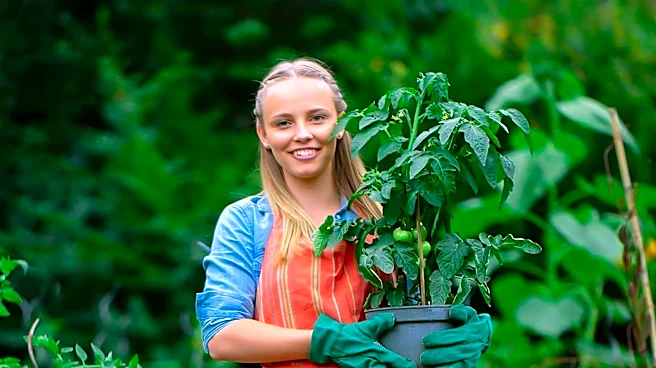
Pamela Anderson, at 59, has revealed that gardening is her preferred method for staying fit, asserting that it can be more effective than traditional gym workouts. This approach emphasizes natural, low-effort, and everyday movement over intense, structured
exercise routines. Anderson, who previously enjoyed Pilates, no longer has access to a reformer at her Vancouver Island home and has integrated gardening into her daily life as a primary form of physical activity. She describes gardening as a 'genuine workout' that offers both physical and mental benefits, including a sense of calm and mental clarity. Her fitness philosophy aligns with the concept of Non-Exercise Activity Thermogenesis (NEAT), which accounts for the energy expended through daily movements outside of planned exercise.
Why It's Important?
Pamela Anderson's endorsement of gardening as a significant fitness activity challenges conventional perceptions of exercise, which often revolve around gym memberships and intense routines. This perspective is important as it highlights the value of accessible, everyday activities for maintaining physical health, potentially inspiring a broader audience to consider less formal methods of staying active. For individuals who may be intimidated by or lack access to traditional gyms, gardening offers a viable and holistic alternative that also connects them with nature. This shift in perception could influence public health messaging, encouraging more diverse and sustainable approaches to fitness, and potentially reducing barriers to physical activity for various demographics, including older adults. The emphasis on mental well-being alongside physical benefits also underscores a more integrated view of health.
What's Next?
Following Pamela Anderson's public statements, there may be an increased interest in gardening as a fitness activity, potentially leading to more discussions and research into the health benefits of such non-traditional workouts. Fitness and wellness communities might explore integrating more 'lifestyle' activities into their recommendations, moving beyond solely gym-based routines. This could also spark a trend in media and social platforms, with more individuals sharing their experiences and tips for staying active through gardening. Furthermore, health organizations might consider incorporating gardening and similar activities into their physical activity guidelines, recognizing their contribution to overall well-being. The focus on natural movement could also influence product development in the fitness industry, with a potential rise in tools and apparel designed for active outdoor pursuits.
Beyond the Headlines
Pamela Anderson's embrace of gardening as a fitness regimen carries deeper implications beyond just physical health. It reflects a broader cultural shift towards authenticity, natural living, and a rejection of high-pressure, often superficial, beauty and fitness standards. Her 'makeup-free aesthetic' and focus on a simpler lifestyle on Vancouver Island align with this philosophy, suggesting that true well-being stems from a harmonious relationship with one's environment and self. This approach challenges the commercialized fitness industry, which often promotes expensive equipment and specialized classes. By advocating for gardening, Anderson subtly promotes environmental consciousness and the therapeutic benefits of connecting with nature, offering a counter-narrative to the fast-paced, consumer-driven modern lifestyle. It also highlights the potential for everyday activities to contribute significantly to a fulfilling and healthy life, fostering a more sustainable and accessible model of wellness.