






What's Happening?
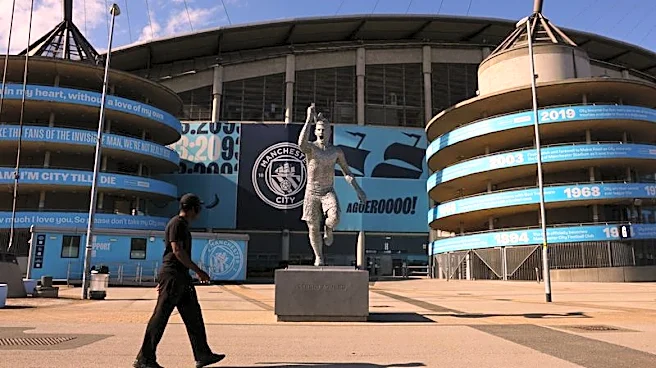
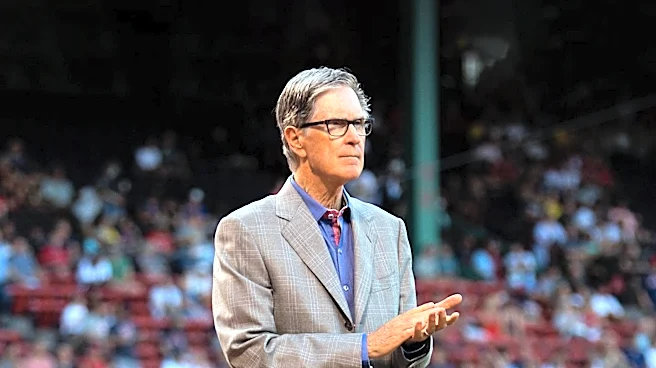
John W. Henry, the principal owner of Liverpool, publicly raised concerns about Manchester City's financial practices in 2011, a decade before the club was found guilty of breaching Premier League financial rules. Henry's comments resurfaced after Manchester City was recently
implicated in 114 out of 115 charges for violating financial regulations between 2009 and 2018. The Premier League confirmed that Manchester City engaged in 'fictitious' contracts with commercial partners and sponsors to misrepresent financial agreements, thereby inflating club revenues and reducing costs. These alleged schemes involved the club's owner, the Abu Dhabi United Group for Development and Investment (ADUG), funding portions of sponsorship fees. Henry had previously supported former Arsenal manager Arsene Wenger's skepticism regarding Manchester City's £400 million sponsorship deal with Etihad Airways, suggesting the valuation was inflated. Manchester City has denied the allegations and plans to appeal the decision.
Why It's Important?
This historical questioning by a prominent U.S. sports owner like John W. Henry underscores long-standing suspicions within the global football community regarding the financial integrity of certain clubs. For U.S. sports investors and owners involved in international leagues, this situation highlights the complexities and potential pitfalls of financial fair play regulations. The re-emergence of Henry's 2011 comments, alongside Wenger's, validates concerns that were dismissed at the time, suggesting a systemic issue that went unaddressed for years. The outcome of Manchester City's appeal could set a significant precedent for financial oversight in major sports leagues worldwide, impacting how U.S. investors evaluate the financial health and regulatory compliance of their international sports assets. It also brings into focus the ethical dimensions of sports ownership and the potential for financial manipulation to distort competitive balance, affecting the fairness and appeal of the sport to a global audience, including U.S. fans and broadcasters.
What's Next?
Manchester City is expected to proceed with its appeal against the Premier League's findings. The outcome of this appeal will be closely watched by other clubs, league officials, and sports investors globally, including those in the U.S. A successful appeal could undermine the credibility of the Premier League's financial regulations, while an upheld verdict could lead to severe penalties for Manchester City, potentially including points deductions, fines, or even relegation. This situation may also prompt other major sports leagues, both in the U.S. and internationally, to review and potentially strengthen their own financial fair play rules and enforcement mechanisms. The ongoing legal battle will likely continue to generate debate about the role of ownership in sports finance and the balance between investment and fair competition.
Beyond the Headlines
The resurfacing of John W. Henry's decade-old comments on Manchester City's finances points to a deeper, less obvious implication: the long-term memory and accountability within professional sports. It highlights how initial skepticism, even if dismissed at the time, can gain significant weight when later corroborated by official investigations. This situation could foster a culture where early warnings from rival owners or managers are taken more seriously, potentially leading to quicker interventions and greater transparency in financial dealings across sports leagues. Ethically, it raises questions about the responsibility of governing bodies to investigate financial irregularities promptly and thoroughly, rather than allowing them to persist for years. For U.S. sports ownership, this saga could influence investment strategies, pushing for more rigorous due diligence and a greater emphasis on ethical financial practices to avoid similar controversies and protect brand reputation.