





What's Happening?
The inaugural Easterseals Disability Arts & Culture Awards (DARCYS) celebrated its first competitive class of winners, recognizing achievements in authentic disability representation across film, television, and media. The HBO series 'The Pitt' received
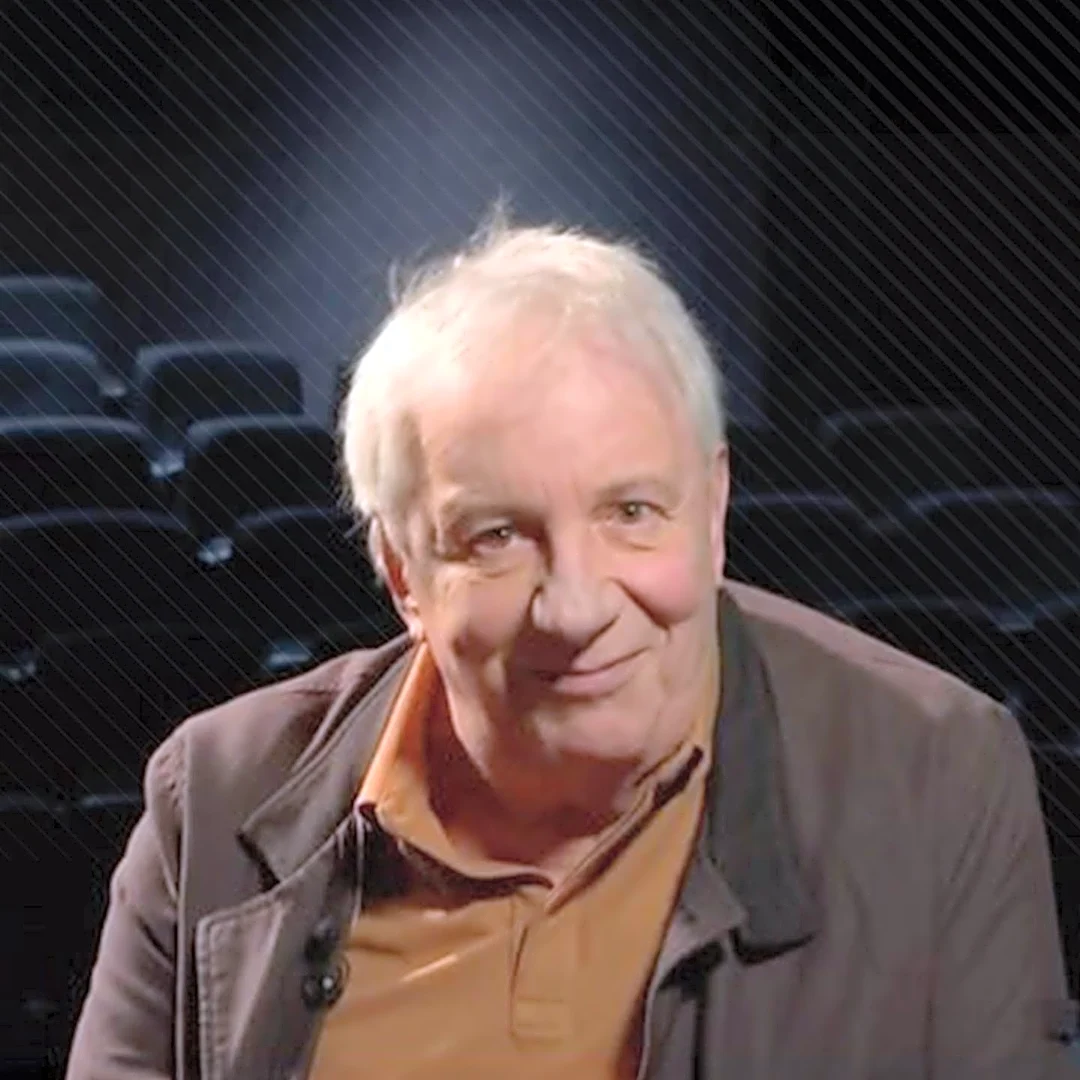
two significant awards: Best Scripted Series and Best Achievement in a Casting Ensemble. Creator/Executive Producer R. Scott Gemmill, along with executive producers Simran Baidwan, Michael Hissrich, Erin Jontow, Joe Sachs, John Wells, and Noah Wyle, were acknowledged for their work. Featured talent from 'The Pitt' includes Tal Anderson, Jessica “Limer” Flores, Victoria Mack, and Christopher Thornton. During their acceptance speeches, cast members and casting director Cathy Sandrich emphasized the critical importance of authentic representation in storytelling. Tal Anderson specifically thanked Easterseals, HBO Max, and Warner Bros., highlighting the series' exceptional job in portraying authentic stories and representation. The awards ceremony, co-produced by Easterseals Southern California and Film Independent, aims to reshape narratives in entertainment by honoring performers, filmmakers, and storytellers who champion disability inclusion.
Why It's Important?
The recognition of 'The Pitt' by the Easterseals Disability Arts & Culture Awards underscores a growing movement towards authentic representation in the entertainment industry. This is crucial for societal perception, as media portrayals significantly influence public understanding and attitudes towards individuals with disabilities. By honoring shows like 'The Pitt' that prioritize casting disabled actors in disabled roles, the DARCYS are setting a new standard and encouraging other productions to follow suit. This shift can lead to more nuanced and realistic storytelling, moving away from harmful stereotypes and tropes that have historically plagued disability representation on screen. For the disability community, this means increased visibility, validation, and opportunities within a powerful industry. It also challenges the industry to invest more in disabled talent both in front of and behind the camera, fostering a more inclusive and equitable creative landscape. The awards highlight that authentic casting is not just about diversity, but about enhancing the quality and truthfulness of narratives.
What's Next?
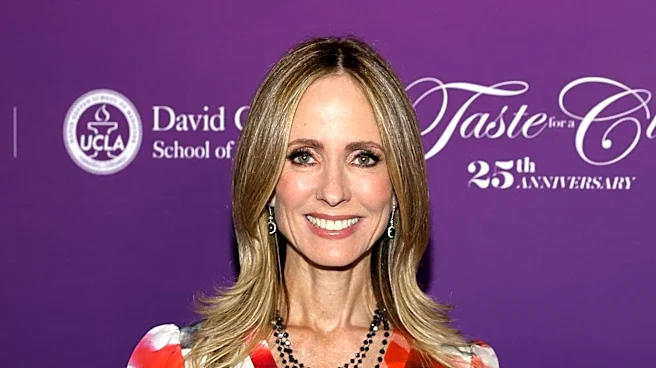
The DARCYS' inaugural competitive awards signal a potential shift in how disability representation is approached and valued in Hollywood. The call from series producer Amanda Upson for studios, streamers, and foundations to increase funding for disabled creators suggests a push for more concrete financial commitments to support this movement. This could lead to increased opportunities for disabled writers, directors, and actors, potentially fostering a new wave of content that authentically reflects the experiences of the disability community. The emphasis on casting disabled actors in roles not originally conceived as disabled, as highlighted by Cathy Sandrich, indicates a broader acceptance and integration of disabled talent into mainstream narratives. Future awards cycles will likely continue to spotlight productions that champion authentic representation, further incentivizing the industry to prioritize inclusivity. The ongoing dialogue initiated by events like the DARCYS is expected to encourage more studios and networks to re-evaluate their casting and production practices, leading to a more diverse and representative media landscape.
Beyond the Headlines
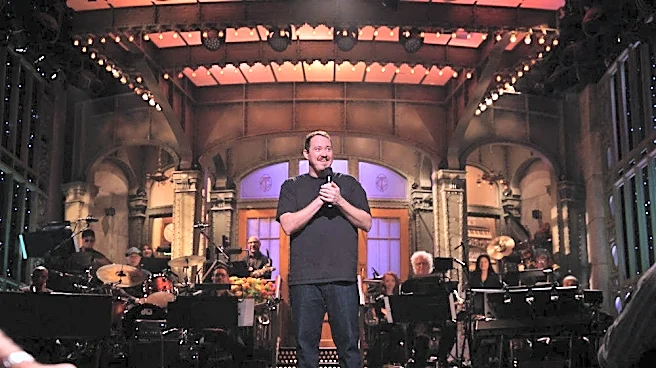
The DARCYS' focus on authentic representation extends beyond mere visibility; it delves into the ethical and cultural dimensions of storytelling. The ceremony's humorous yet pointed critique of disability tropes, such as 'Characters That Would Rather Die Than Be Disabled' and 'Cripping Up' (casting non-disabled actors in disabled roles), highlights a deeper cultural reckoning within the entertainment industry. This challenges long-held practices that have perpetuated harmful stereotypes and denied disabled individuals agency and authentic portrayal. By celebrating shows that actively subvert these tropes, the awards are advocating for a more respectful and accurate depiction of disability, which can have profound impacts on societal attitudes and the self-perception of disabled individuals. The call for increased funding and employment of disabled talent also touches upon economic equity, ensuring that disabled individuals are not only seen but also empowered to shape their own narratives and contribute to the industry's economic fabric. This initiative represents a significant step towards dismantling systemic barriers and fostering a truly inclusive cultural environment.