




What's Happening?
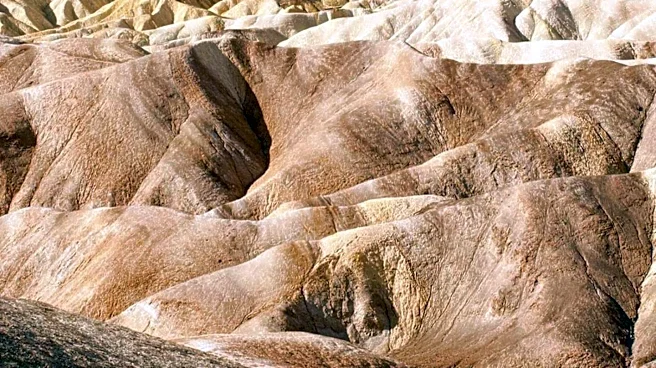
Death Valley National Park in California served as a primary filming location for George Lucas's 'Star Wars: Episode IV – A New Hope,' depicting scenes from Luke Skywalker's home planet, Tatooine. The park's diverse landscape, including badlands, slot
canyons, and sand dunes, provided the ideal backdrop for the iconic desert planet. Key locations within the park that appeared in the film include Artists Palette, where Sandcrawlers and Jawas were filmed; Golden Canyon, the site of R2-D2's capture; Desolation Canyon, used for scenes with banthas and Tusken Raiders; Dante's View, which served as the Mos Eisley overlook; and the Mesquite Sand Dunes, where C-3PO and R2-D2 landed. Additionally, Lucas returned to Death Valley for 'Star Wars: Episode VI – Return of the Jedi,' filming scenes in Twenty-mule Team Canyon. More recently, establishing shots for 'The Mandalorian' were filmed at Zabriskie Point and Red Cathedral. The Inn at Death Valley also housed cast and crew during the production of the original film. Tourists can now embark on a 5-7 hour road trip to visit these cinematic sites.
Why It's Important?
The use of Death Valley National Park as a prominent filming location for the 'Star Wars' saga highlights the unique geological and scenic value of U.S. national parks, attracting significant tourism and interest. This connection to a globally recognized film franchise boosts the park's profile, potentially increasing visitor numbers and generating revenue for local economies through tourism-related services. For 'Star Wars' fans, the opportunity to visit real-world locations that brought Tatooine to life offers a tangible link to the cinematic universe, enhancing their engagement with the franchise. Furthermore, it underscores the role of natural landscapes in filmmaking, showcasing how diverse U.S. environments can be transformed into alien worlds. The continued use of the park for newer 'Star Wars' productions like 'The Mandalorian' reinforces its enduring appeal and significance in cinematic history, contributing to its cultural legacy and conservation efforts.
What's Next?
Death Valley National Park is expected to continue attracting 'Star Wars' enthusiasts and general tourists interested in its unique landscapes and cinematic history. The park offers resources like visitor center handouts and a free audio tour app to guide visitors through the filming locations, suggesting ongoing efforts to enhance the visitor experience. As the 'Star Wars' universe expands with new films and series, there's a possibility that Death Valley could be revisited for future productions, further cementing its place in the franchise's lore. The park's management will likely continue to balance increased tourism with conservation efforts, especially given its extreme climate conditions, which require visitors to exercise caution and plan their trips during cooler months. The enduring popularity of 'Star Wars' ensures a steady stream of visitors seeking to connect with the iconic desert planet.
Beyond the Headlines
The integration of Death Valley National Park into the 'Star Wars' narrative transcends mere location scouting; it imbues the natural landscape with a layer of cultural mythology. This phenomenon illustrates how popular culture can shape perceptions of natural spaces, transforming them into sites of pilgrimage for fans. The park becomes more than just a geological wonder; it becomes a tangible piece of a beloved fictional universe, fostering a deeper, more imaginative connection between visitors and the environment. This cultural overlay can also influence conservation efforts, as the park's iconic status might garner more public support for its preservation. The 'Star Wars' connection also highlights the power of storytelling to create enduring legacies for both fictional worlds and the real-world locations that inspire them, demonstrating a unique synergy between art, nature, and tourism.