



What's Happening?
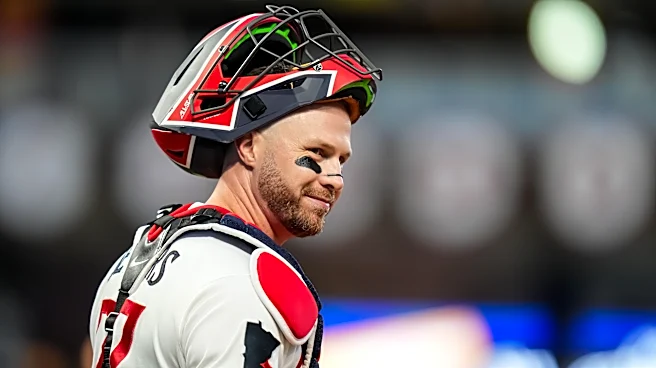
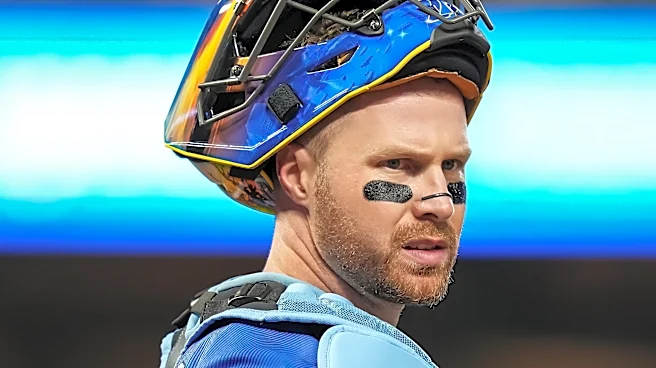
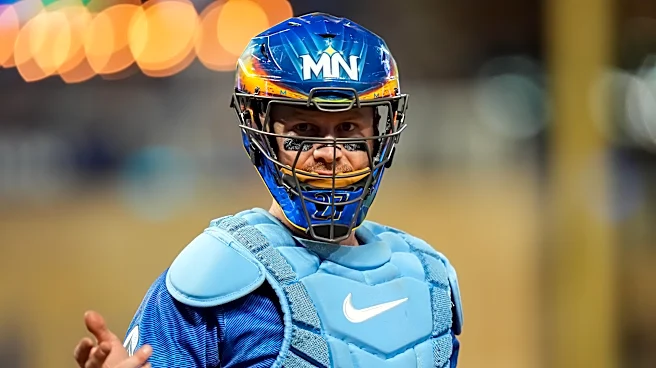
Catcher Ryan Jeffers has accepted the Minnesota Twins' one-year, $23.15 million qualifying offer for the 2027 season. This decision, which surprised many in the baseball world, makes Jeffers one of only two players to accept a qualifying offer this offseason.
While securing one of baseball's top-hitting catchers, Jeffers' acceptance significantly impacts the Twins' financial flexibility. Twins owner Tom Pohlad had previously stated intentions to increase the team's payroll for 2027. However, Jeffers' acceptance, which was not widely anticipated, means a substantial portion of the planned payroll increase is now allocated to his contract, potentially limiting funds for other roster improvements. The team now faces decisions regarding several non-tender candidates ahead of Friday's deadline for tendering contracts to unsigned players on their 40-man roster.
Why It's Important?
The acceptance of Ryan Jeffers' qualifying offer has immediate and significant financial implications for the Minnesota Twins. While it solidifies a key position with a high-performing player, it simultaneously constrains the team's ability to pursue other free agents or make substantial trades. This situation highlights the strategic challenges faced by MLB teams in managing payrolls and roster construction, especially when unexpected player decisions occur. For the Twins, it means a re-evaluation of their offseason strategy, potentially leading to difficult choices regarding current players. The decision could force the team to non-tender players like Royce Lewis, Trevor Larnach, and Bailey Ober, who are projected to earn considerable salaries in arbitration, to free up funds or roster spots. This ripple effect demonstrates how a single player's contract decision can reshape an entire team's financial outlook and competitive strategy for the upcoming season.
What's Next?
The Minnesota Twins must now navigate the immediate consequences of Jeffers' decision, particularly with the looming deadline for tendering contracts to unsigned players on their 40-man roster. This Friday's deadline will likely see the Twins make tough choices regarding players such as Royce Lewis, Trevor Larnach, and Bailey Ober. Non-tendering these players could free up significant salary space, but it also means losing talent. The team will need to balance financial prudence with maintaining a competitive roster. Furthermore, the Twins' front office will need to adjust its strategy for acquiring new talent, potentially focusing on more cost-effective options or exploring trades that involve salary relief. The long-term development of top-catching prospect Vahn Lackey will also be a factor, as he is projected to potentially take over as the starting catcher in 2028, offering future flexibility at the position.
Beyond the Headlines
The scenario with Ryan Jeffers and the Minnesota Twins underscores a broader trend in professional sports regarding player contracts and team financial management. The qualifying offer system, designed to compensate teams for losing star players, can also create unexpected financial burdens when players accept the offer. This situation highlights the delicate balance between player valuation, team budget constraints, and strategic planning in a salary-capped or luxury-tax-conscious league. It also brings into focus the human element of these decisions, as players weigh long-term security against potential free-agent earnings, and teams must make difficult choices that affect careers. The impact extends beyond just the Twins, influencing the broader MLB market as other teams observe how such decisions affect roster construction and competitive balance.