




What's Happening?
The concept of a smart home hub is undergoing a significant transformation, moving away from a singular, dedicated device to integrated functionalities within common household electronics. Traditionally, a smart home hub was a central physical box required
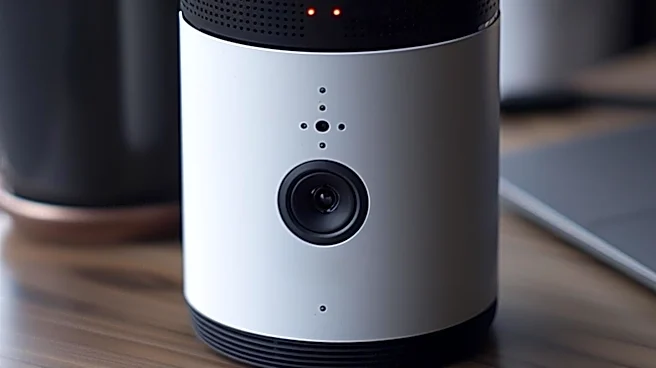
to connect and automate various smart devices, especially those using protocols like Zigbee or Z-Wave. However, advancements in technology mean that smart speakers, smart displays, routers, and streaming devices can now serve as Matter controllers or Thread Border Routers. This shift allows many Wi-Fi smart plugs, lights, thermostats, and cameras to operate without a separate hub. While dedicated hubs remain useful for complex automations, local control, and integrating diverse device brands and protocols, the necessity for a standalone hub is diminishing for basic smart home setups. The Matter standard, in particular, aims to reduce reliance on proprietary hubs by providing a common interoperability standard, though a Matter controller is still required, often built into existing devices.
Why It's Important?
This evolution in smart home hub technology significantly impacts consumers and the smart home industry. For consumers, it simplifies the entry point into smart home technology, reducing initial costs and complexity by leveraging devices they may already own. This can accelerate the adoption of smart home products by making them more accessible and user-friendly. For manufacturers, it shifts the focus from producing standalone hubs to integrating hub functionalities into a wider range of products, fostering greater interoperability and potentially leading to new product development strategies. The increased integration of Matter and Thread protocols into everyday devices also promotes a more unified smart home ecosystem, reducing fragmentation and enhancing user experience. This trend could also influence competition, as companies that successfully integrate these capabilities into their core products may gain a competitive edge.
What's Next?
The trend of integrating smart home hub functionalities into existing devices is expected to continue, with more smart speakers, displays, and routers incorporating Matter controller and Thread Border Router capabilities. This will likely lead to a further decrease in the demand for traditional, dedicated smart home hubs for basic setups. Consumers will increasingly look for devices that offer these integrated features, making them a key selling point for electronics manufacturers. The industry will likely see continued development in making these integrated systems more robust, secure, and capable of handling complex automations locally, reducing reliance on cloud services. Furthermore, as Matter and Thread mature, we can anticipate broader compatibility across different brands and ecosystems, simplifying the user experience and fostering innovation in smart home applications.
Beyond the Headlines
The shift in smart home hub technology has deeper implications for data privacy and security. As more devices become interconnected and act as central controllers, the potential for data collection and the need for robust security measures become paramount. The move towards local control, facilitated by advanced hubs and integrated controllers, can offer enhanced privacy by processing commands within the home network rather than relying on external cloud servers. However, it also places a greater responsibility on device manufacturers to ensure the security of these integrated systems against potential vulnerabilities. This evolution also highlights a broader technological trend where specialized devices are absorbed into multi-functional gadgets, blurring the lines between different product categories and pushing the boundaries of what a 'smart' device can do within a connected home environment.