





What's Happening?
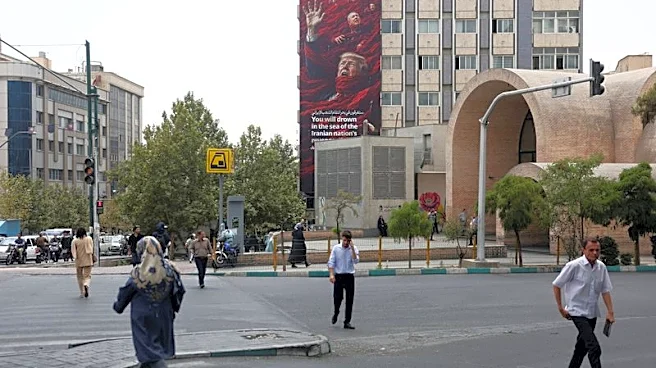
Gas prices in the United States remain high due to ongoing conflict with Iran, initiated by President Trump in February. Despite a brief cease-fire, prices have not fallen below $3.50 per gallon, with recent escalations pushing them above $4. The conflict has
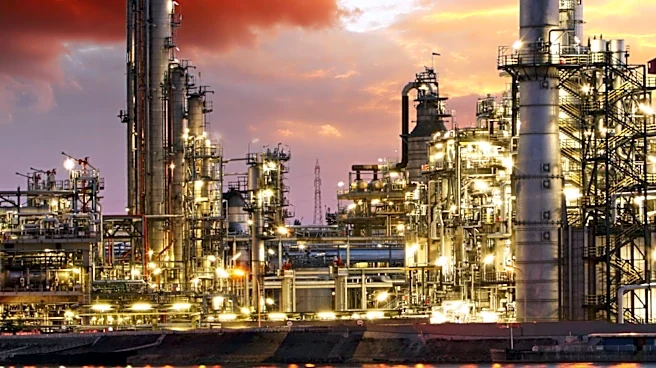
strained global oil inventories, with the U.S. Strategic Petroleum Reserve at its lowest since 1983. The situation is exacerbated by reduced refining capacity and increased crack spreads, keeping gas prices elevated despite potential peace talks.
Why It's Important?
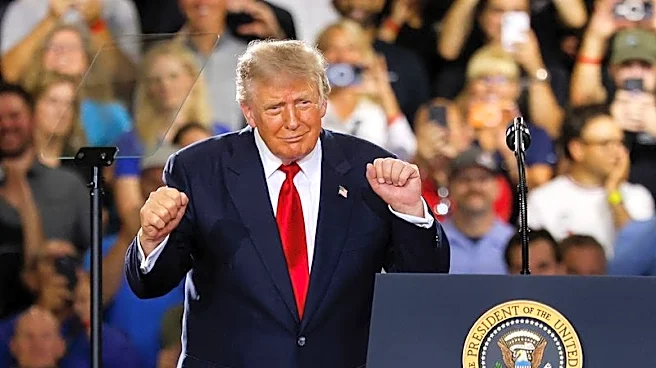
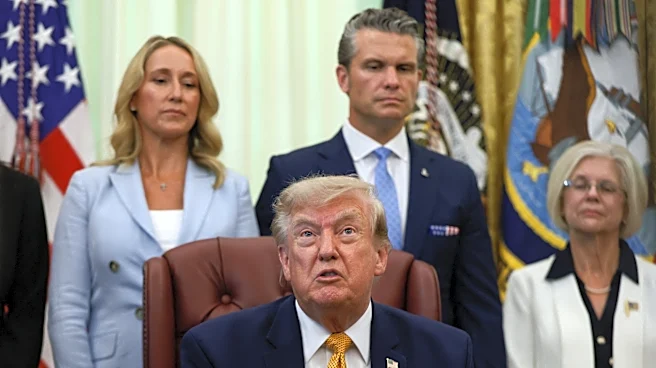
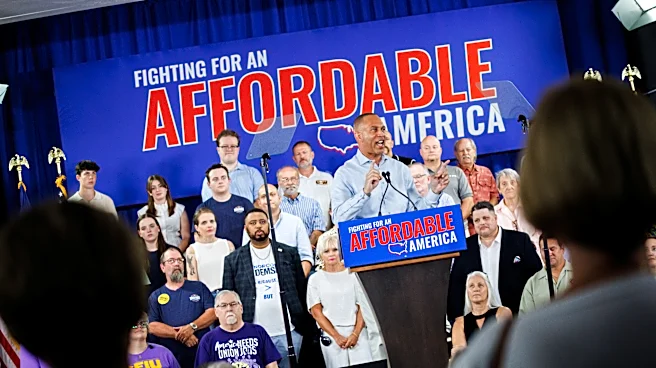
The sustained high gas prices are impacting the U.S. economy and President Trump's approval ratings, with many Americans attributing the price surge to his policies. The situation poses challenges for the Republican Party ahead of the midterm elections, as economic dissatisfaction could influence voter behavior. The conflict underscores the vulnerability of global oil markets to geopolitical tensions and the complexities of energy supply chains. It also highlights the need for strategic energy policies to mitigate such impacts in the future.
What's Next?
Even if peace talks progress, the recovery of oil inventories and refining capacities will take time, suggesting that gas prices may remain high through the midterms. The situation may prompt further political and public scrutiny of energy policies and corporate practices in the oil industry. Stakeholders, including policymakers and industry leaders, may explore alternative strategies to stabilize prices and ensure energy security.