







What's Happening?
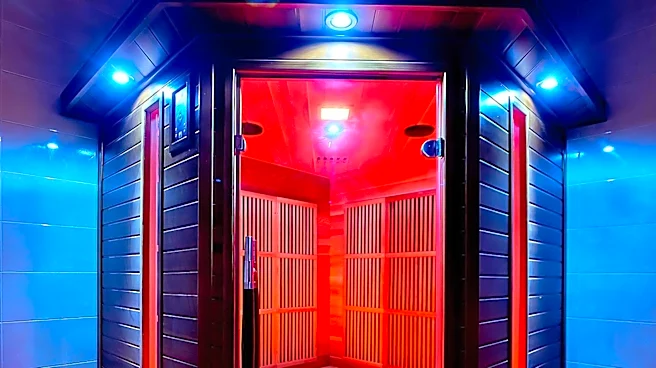
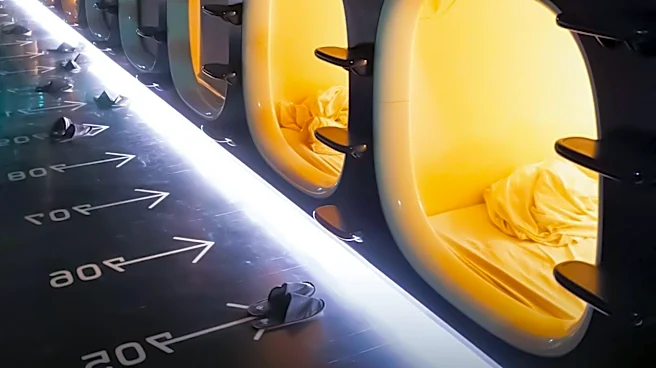
The Recovery Pod is being introduced as a private wellness tool designed for hotels, resorts, and wellness centers. This system aims to provide a new revenue stream by offering guided wellness sessions without requiring additional staff or extensive spa
renovations. The pod integrates various sensory inputs, including light, sound, vibration, and Pulsed Electromagnetic Fields (PEMF), to deliver programs focused on sleep, stress, travel, recovery, energy, and focus. Sessions are designed to be under 20 minutes, promoting high throughput and repeat guest engagement. The Recovery Pod is marketed as a way for properties to differentiate their offerings and utilize underutilized spaces for premium wellness experiences. While designed for comfort and guided use, potential users with certain health conditions, such as implanted electronic devices, epilepsy, light sensitivity, pregnancy, or serious cardiovascular conditions, are advised to consult a doctor before use. The system is presented as a general wellness experience and not a medical device intended to diagnose, treat, cure, or prevent any disease.
Why It's Important?
This development is significant for the U.S. hospitality and wellness industries as it introduces a new model for integrating wellness services. By offering a self-contained, staff-independent wellness solution, hotels and resorts can enhance guest experiences and generate additional revenue without incurring substantial operational costs associated with hiring specialized personnel. This could lead to increased competitiveness among properties seeking to attract health-conscious travelers and guests looking for convenient recovery options. The emphasis on short, guided sessions also caters to modern consumer preferences for efficient and accessible wellness solutions. For wellness centers, it provides an opportunity to expand their service offerings and potentially attract a broader clientele. However, the requirement for some users to consult a doctor highlights the importance of clear communication and screening protocols to ensure guest safety and manage liability, which could influence adoption rates and operational guidelines within these establishments.
What's Next?
The adoption of Recovery Pods by hotels, resorts, and wellness centers across the U.S. is likely to increase as these establishments seek innovative ways to enhance guest services and revenue. Future developments may include broader integration into existing wellness programs, partnerships with major hotel chains, and potential expansions of session types or technological enhancements. There may also be increased scrutiny from regulatory bodies regarding wellness claims and safety protocols, especially as such devices become more prevalent. The industry will likely monitor user feedback and revenue generation to assess the long-term viability and impact of these private wellness tools. Furthermore, as more properties implement these pods, there could be a trend towards standardized safety guidelines and user disclaimers across the hospitality and wellness sectors to ensure consistent guest experiences and mitigate potential health risks.
Beyond the Headlines
The introduction of the Recovery Pod reflects a broader trend in the U.S. towards personalized, on-demand wellness solutions that minimize human interaction. This shift could have long-term implications for the traditional spa and wellness industry, potentially leading to a greater reliance on technology-driven services. Ethically, the balance between promoting wellness and ensuring user safety, particularly for individuals with pre-existing conditions, will be a critical consideration. The marketing of such devices as 'wellness experiences' rather than medical treatments also raises questions about consumer expectations and the responsibility of providers to clearly delineate the scope and limitations of these technologies. Culturally, the increasing acceptance of automated wellness tools may signify a growing desire for convenience and privacy in personal health management, potentially reshaping how individuals engage with self-care practices in public and commercial settings.