









What's Happening?
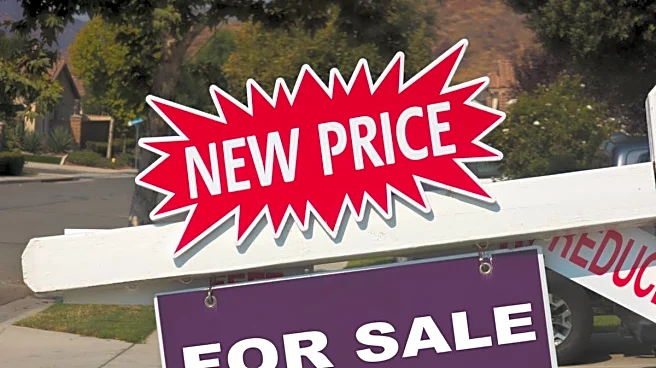
The Birmingham, Alabama housing market in 2026 is experiencing a slowdown, with a 2.8% year-over-year decrease in home sales, according to data analyzed by Redfin Real Estate. Despite this decline, pending sales have increased by 2.6% year-over-year,
indicating some continued interest from buyers. The median number of days homes remain on the market has risen to 61, an increase of two days compared to the previous year. Active listings have slightly increased by 0.5%, totaling 6,458. Additionally, 20.7% of listings are selling above the original list price, a slight increase of 0.8 percentage points from the previous year. However, 52.9% of the inventory remains unsold after 60 days, reflecting a 2.1 percentage point increase year-over-year.
Why It's Important?
The current state of the Birmingham housing market reflects broader national trends of economic uncertainty and fluctuating real estate dynamics. The decline in home sales suggests potential challenges for sellers, while the increase in pending sales indicates that buyers are still active, albeit cautiously. The rise in the median days on the market and the share of unsold inventory highlight potential difficulties in closing sales, which could impact local real estate agents and the broader economy. The slight increase in homes selling above the list price suggests that while demand exists, it may be concentrated in specific segments of the market. These trends are crucial for stakeholders, including homeowners, potential buyers, and real estate professionals, as they navigate the complexities of the current economic environment.
What's Next?
As the Birmingham housing market continues to adjust, stakeholders may need to adapt their strategies. Sellers might consider pricing adjustments or enhanced marketing efforts to attract buyers. Real estate agents could focus on educating clients about market conditions and setting realistic expectations. Buyers may find opportunities in the increased inventory and longer market times, potentially negotiating better deals. Economic factors, such as interest rates and employment trends, will likely influence future market dynamics. Monitoring these indicators will be essential for predicting the market's trajectory and making informed decisions.