


What's Happening?
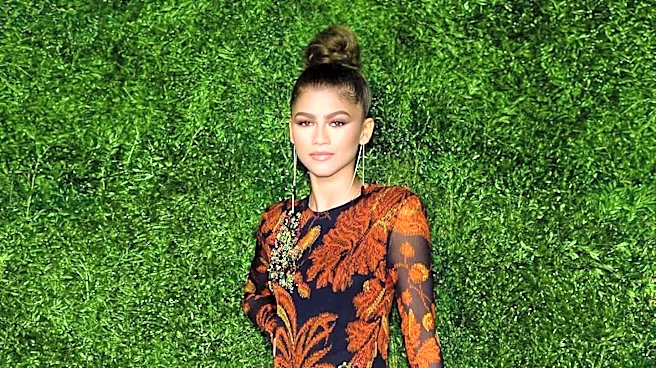
American actress Zendaya has drawn criticism on social media for not standing up when greeting Brigitte Macron, the First Lady of France, at the Louis Vuitton Spring/Summer 2027 show during Paris Fashion Week on October 6. Footage from the event shows
Zendaya, seated in the front row, shaking hands with Mrs. Macron while remaining in her seat. This interaction quickly went viral, sparking a debate online about proper etiquette. Critics argued that it showed a lack of basic manners and respect, especially given Mrs. Macron's status. Some social media users also pointed out that Zendaya remained seated when Bernard Arnault, chairman and CEO of LVMH, approached her. Defenders of Zendaya suggested she might have been distracted, unaware of who Mrs. Macron was, or simply didn't notice her until it was too late. The incident occurred while Zendaya was attending the show as a global brand ambassador for Louis Vuitton, where she also showcased a re-worn custom lace bolero jacket from her 'The Odyssey' press tour.
Why It's Important?
This incident highlights the intense scrutiny public figures, particularly celebrities, face regarding their conduct in formal and international settings. The swift and widespread social media reaction underscores the public's expectations of decorum and respect, especially when interacting with diplomatic figures. For Zendaya, a prominent American actress and fashion icon, such an event can impact her public image and potentially influence perceptions of American celebrity etiquette on a global stage. While seemingly a minor social faux pas, it can fuel broader discussions about generational differences in manners and the pressures celebrities face under constant public observation. The debate also reflects differing cultural norms regarding greetings and respect, which can be amplified in international contexts like Paris Fashion Week, where various cultures converge.
What's Next?
While there are no immediate official consequences expected from this incident, the online discussion is likely to continue, influencing public perception of Zendaya in the short term. Celebrities often face such social media backlashes, and their teams typically monitor these situations. Zendaya or her representatives may choose to address the situation publicly, offer an explanation, or simply let the controversy subside. The incident could serve as a cautionary tale for other public figures regarding the importance of situational awareness and adherence to social protocols in high-profile international events. Future appearances by Zendaya at similar events will likely be observed more closely for her adherence to etiquette, particularly when interacting with dignitaries.
Beyond the Headlines
Beyond the immediate social media uproar, this event touches upon broader themes of celebrity culture, global etiquette, and the instantaneous nature of public judgment in the digital age. The expectation for celebrities to be not just entertainers but also cultural ambassadors means their actions are often interpreted as representative of their country or generation. The debate over whether Zendaya's actions were a genuine oversight or a deliberate choice reflects a tension between traditional diplomatic protocols and modern, more casual celebrity interactions. It also raises questions about the fairness of 'cancel culture' and the speed at which public figures can be judged for perceived missteps, regardless of intent. This incident could subtly influence how brands select ambassadors, potentially favoring those with a strong grasp of international social graces.