








What's Happening?
PGIM forecasts that the Federal Reserve will raise interest rates by 25 basis points three times this year, diverging from the consensus expectation of steady rates or a single hike. This prediction is based on the U.S. economy's resilience, inflation
risks, and a strong labor market. The U.S. Core Personal Consumption Expenditures price index is currently at 3.3%, indicating high inflation with potential upside risks. PGIM's analysis suggests that these rate hikes will be short-lived, with three cuts expected next year and a final rate cut in 2028. The ongoing AI buildout, consumer spending driven by the wealth effect, and fiscal stimulus are contributing to U.S. economic outperformance.
Why It's Important?
The Federal Reserve's interest rate decisions have significant implications for the U.S. economy, affecting borrowing costs, consumer spending, and business investment. PGIM's forecast of multiple rate hikes suggests a proactive approach to managing inflation, which could impact corporate profitability and lead to wider credit spreads. Higher interest rates may also increase the cost of credit, challenging businesses and consumers. The Fed's actions will influence financial markets, with potential effects on Treasury yields and investor sentiment. As the Fed navigates these economic challenges, its decisions will be closely watched by market participants and policymakers.
What's Next?
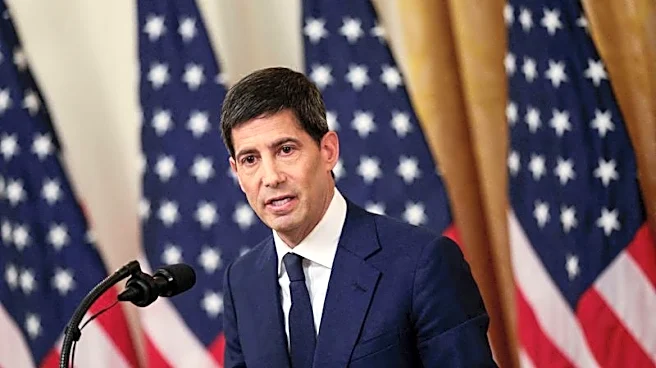
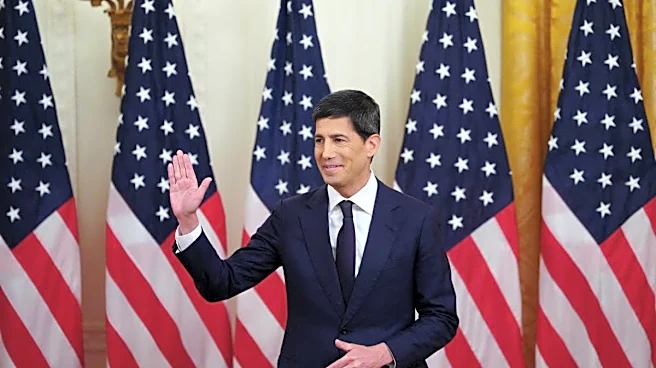
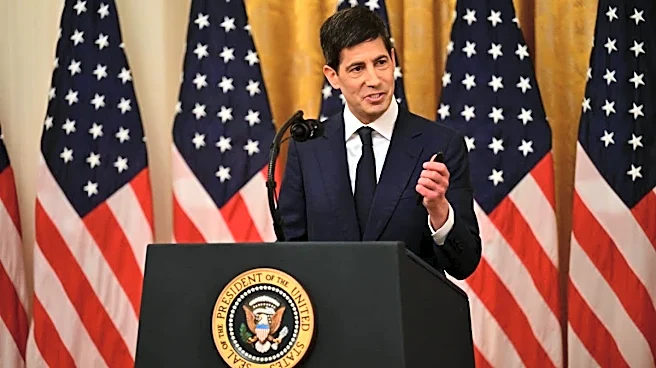
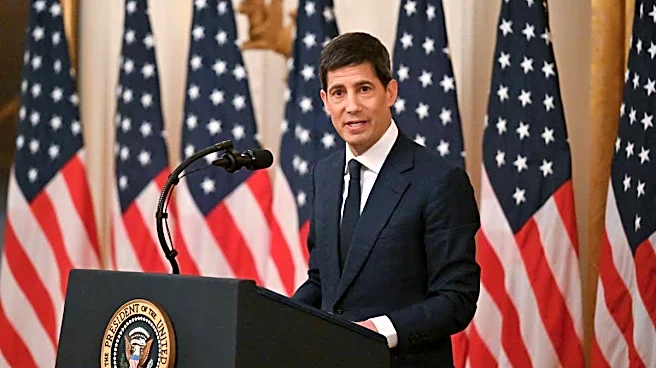
The Federal Reserve's upcoming policy meeting, led by new Chairman Kevin Warsh, will provide insights into its approach to managing inflation and supporting economic growth. The Fed's projections for interest rates, inflation, and the labor market will be critical in shaping market expectations. As the Fed addresses these challenges, its actions will be closely monitored by investors, businesses, and policymakers, who will be looking for signals of the central bank's commitment to controlling inflation while supporting economic growth.