






What's Happening?
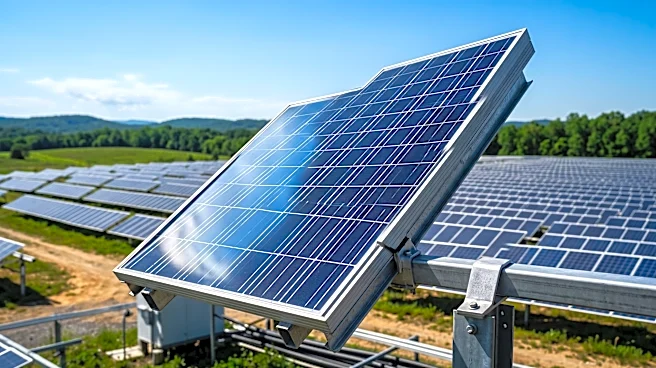
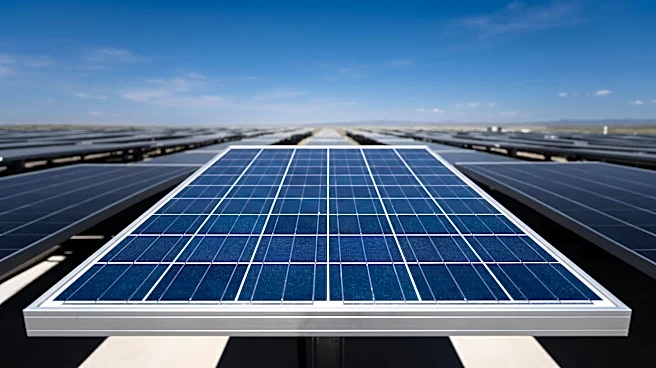
Mission Solar Energy, a San Antonio-based manufacturer, is emphasizing supply chain transparency and U.S. manufacturing at the RE+ 2026 event. The company is showcasing its latest commercial and residential solar modules, highlighting its integrated supply chain that
spans from polysilicon production to power conversion. This approach aims to address the solar industry's increasing focus on shifting trade policies, domestic content incentives, and supply chain scrutiny. Mission Solar Energy, along with its fellow OCI Holdings subsidiaries OCI TerraSus and OCI Power, asserts compliance with Foreign Entity of Concern (FEOC) requirements, ensuring that none are classified as prohibited foreign entities. OCI TerraSus produces solar-grade polysilicon in Malaysia, Mission Solar designs and assembles modules in Texas, and OCI Power manufactures inverters in South Korea, collectively covering significant portions of the solar value chain.
Why It's Important?
The focus on supply chain transparency and domestic content by Mission Solar Energy is crucial for the U.S. solar industry. As developers assess project economics, eligibility for tax credits, and sourcing risks, manufacturers capable of providing clear documentation alongside competitive technology gain a significant advantage. This trend reflects a broader industry shift where the credibility of the supply chain is becoming as vital as module performance in purchasing decisions. For residential installers, Mission Solar is introducing a 440W N-Type 108HC rooftop module with 12% domestic content, which is a notable increase from its existing 6% domestic-content version. This move supports the growth of U.S. manufacturing and helps meet the demand for domestically sourced solar products, potentially bolstering energy independence and creating jobs within the country.
What's Next?
Mission Solar Energy plans to preview two next-generation G12R modules, with commercial launches anticipated in late 2027. The company will also display a lower-domestic-content U.S.-produced Commercial & Industrial (C&I) module option expected in 2027. These upcoming product releases indicate a continued commitment to innovation and expanding their offerings in both residential and commercial sectors. The emphasis on higher domestic content in their new modules suggests a strategic alignment with evolving U.S. incentives and policies that favor local manufacturing. This could lead to increased adoption of their products by developers and installers seeking to maximize tax credit eligibility and minimize supply chain risks, further solidifying Mission Solar Energy's position in the domestic market.
Beyond the Headlines
The heightened focus on supply chain transparency and domestic content in the solar industry extends beyond immediate commercial benefits. It addresses critical national security and economic concerns related to reliance on foreign supply chains, particularly from countries that may pose geopolitical risks. By ensuring FEOC compliance and increasing domestic content, companies like Mission Solar Energy contribute to a more resilient and secure energy infrastructure for the U.S. This trend could also foster greater accountability and ethical sourcing practices across the industry, as manufacturers are compelled to provide detailed documentation of their component origins. Ultimately, this shift could lead to a more robust and self-sufficient U.S. solar manufacturing ecosystem, reducing vulnerabilities and promoting sustainable growth.