







What's Happening?
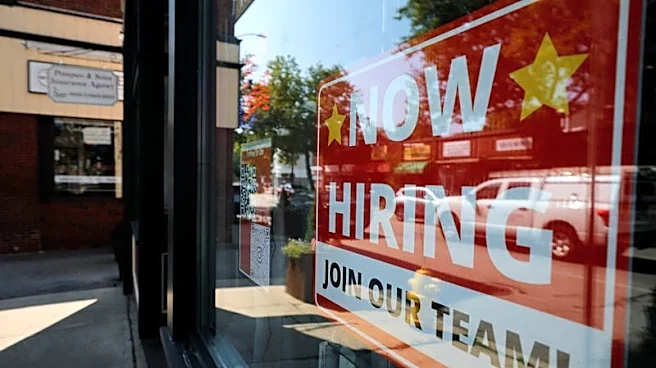
The Bureau of Labor Statistics is set to release the October jobs report, with economists projecting an addition of 59,000 roles, an increase from September's 29,000. The unemployment rate is expected to remain at 4.2%. Despite this anticipated growth,
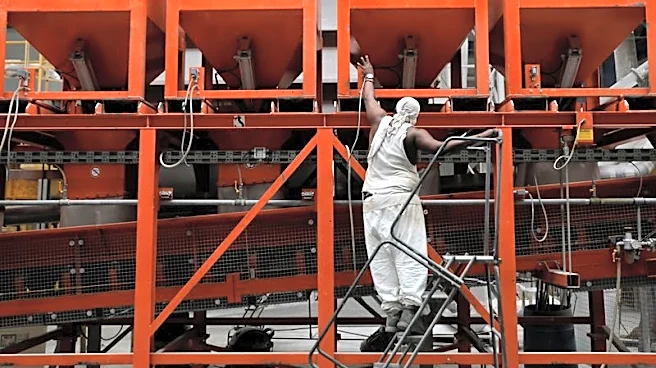
concerns persist regarding slowing wage growth, which is projected at 2.9% annually, significantly below the 3.7% inflation rate. The impact of Artificial Intelligence (AI) on employment is also a key focus. While some economists, like Shruti Mishra of Bank of America, suggest that strong business investment in AI and data centers could support employment in construction and manufacturing, others, such as Citi economist Veronica Clark, warn that AI adoption might lead to productivity gains that weigh on hiring or divert funds from hiring workers. The labor market has seen sluggish job growth this year compared to previous years, with a low rate of turnover and fewer people entering the labor force.
Why It's Important?
This jobs report is crucial for understanding the current health of the U.S. economy, particularly as it heads into the holiday season. Slowing wage growth below inflation means a decrease in purchasing power for American workers, impacting consumer spending and overall economic stability. The mixed outlook on AI's impact on employment highlights a significant transition in the labor market. While AI-related infrastructure development creates jobs in specific sectors like manufacturing and construction, the broader concern is that AI could displace workers or reduce the need for new hires in other areas. This could lead to increased job insecurity and a widening skills gap if workers do not adapt to new technological demands. The report's findings will influence policy decisions related to economic stimulus, workforce development, and technological regulation, affecting businesses' hiring strategies and individuals' financial well-being.
What's Next?
The release of the October jobs report on Friday will provide a clearer picture of the labor market's trajectory. If the report shows a significant increase in holiday hiring, it could signal a more optimistic outlook for the retail sector and consumer spending in the coming months. However, if wage growth continues to lag inflation, it may intensify calls for economic policies aimed at boosting worker incomes or controlling inflation. The ongoing debate about AI's role in employment will likely continue, with potential implications for future legislation regarding workforce training and job displacement. Additionally, the political landscape, particularly with Democrats pledging data center pauses or bans, could influence the pace of AI infrastructure development and its associated job creation. Businesses will closely monitor these trends to adjust their hiring and investment strategies.
Beyond the Headlines
The underlying tension between technological advancement and its societal impact is a critical long-term implication of these trends. The 'AI boom' presents a double-edged sword: while it drives innovation and creates specialized jobs, it also raises ethical questions about job displacement and the equitable distribution of economic benefits. The low rate of labor turnover and fewer people entering the workforce suggest deeper structural issues within the U.S. labor market, potentially exacerbated by demographic shifts and evolving skill requirements. This situation could lead to increased social inequality if access to AI-related training and opportunities is not widespread. Furthermore, the strong business investment in AI, while boosting GDP, also contributes to rising prices across the economy, affecting consumers' cost of living. This complex interplay of technology, economics, and social equity will shape the future of work and economic policy in the U.S.