



What's Happening?
American sports anchor Elle Duncan has drawn criticism for her recent comments regarding a 'culture war' within the WNBA. During a conversation with Front Office Sports’ Baker Machado, Duncan described covering the WNBA as 'toxic' and expressed frustration
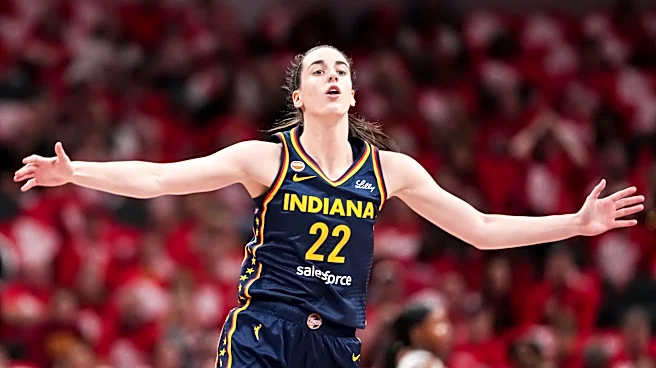
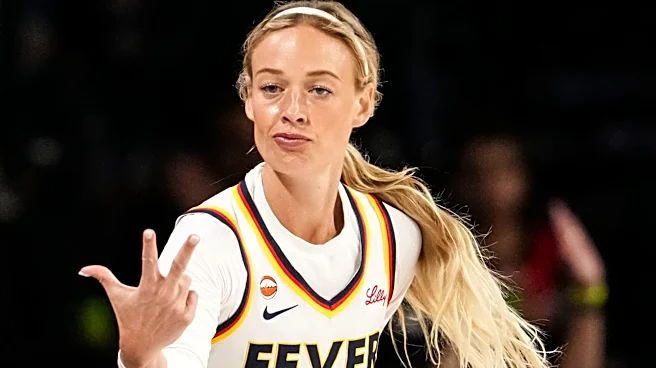
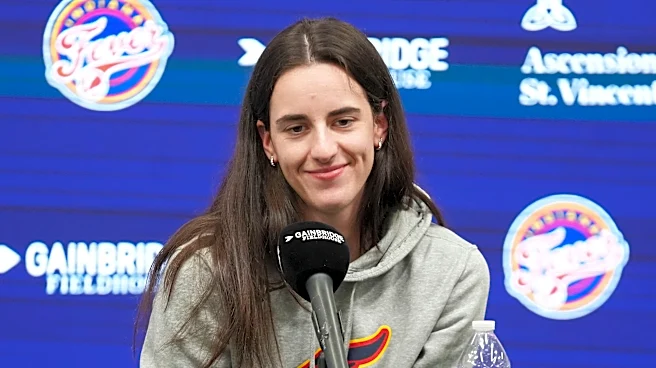
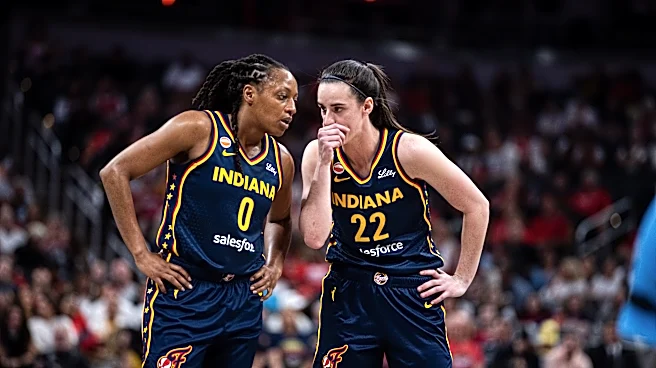
that the situation has not improved over the past three years. She suggested that the league's 'predominantly black, predominantly queer' demographic makes it unfairly targeted in these culture wars, stating that it 'feels like open season to dunk on Black women because we do not have protection.' While not explicitly naming her, Duncan alluded to Indiana Fever star Caitlin Clark as the 'someone that they sort of see in their own image' whom opportunists uplift, while simultaneously 'dunking on black women, queer women, women who don't look like them.' This implies that Clark is perceived as the source of 'divisive' fans. The remarks have led to significant backlash from various fan accounts and media personalities, including Marcellus Wiley, Linda Cohn, and Jason Whitlock.
Why It's Important?
Duncan's comments are important because they highlight a perceived racial and cultural tension within the WNBA, a league that has seen a significant surge in popularity, partly attributed to new stars like Caitlin Clark. By suggesting that new fans who support Clark are 'divisive' or that the league was in a better state before her arrival, Duncan's remarks risk alienating a growing segment of the WNBA's audience. This could undermine efforts to expand the league's reach and appeal. The backlash indicates a strong disagreement with her perspective, particularly the idea that only certain demographics are targeted by negativity or that the league's growth is a negative development. The debate touches on issues of inclusivity, fan engagement, and the representation of different groups within professional sports, potentially impacting how the WNBA is perceived and how its diverse fanbase interacts.
What's Next?
The immediate aftermath of Elle Duncan's comments will likely involve continued public discussion and debate across social media and sports commentary platforms. Media personalities and fans will continue to weigh in on the perceived 'culture war' within the WNBA and the role of new fans and players like Caitlin Clark. The WNBA itself, along with its teams and players, may face pressure to address these discussions, either directly or through statements promoting unity and inclusivity. There could be further analysis of fan demographics and engagement strategies to ensure that the league's growth is embraced by all stakeholders. The ongoing conversation will likely influence how sports media covers the WNBA, with increased scrutiny on narratives that might be seen as divisive or exclusionary. The league's leadership may need to consider how to foster an environment that celebrates its diverse talent and fan base without succumbing to internal divisions.
Beyond the Headlines
Beyond the immediate controversy, Duncan's remarks tap into deeper societal discussions about race, gender, and identity within sports and popular culture. The idea of 'culture wars' in the WNBA reflects broader tensions in society regarding representation, privilege, and the reception of new figures who challenge existing norms or fan bases. The implicit critique of fans who 'uplift someone that they sort of see in their own image' suggests a concern about the potential for new popularity to inadvertently marginalize established communities within the league. This situation highlights the complex dynamics of fan loyalty and identity, particularly in a league that has historically championed diversity. It also raises questions about the responsibility of sports commentators to foster inclusive dialogue rather than contribute to perceived divisions, and how the WNBA can navigate its newfound mainstream attention while staying true to its core values and diverse audience.