









What's Happening?
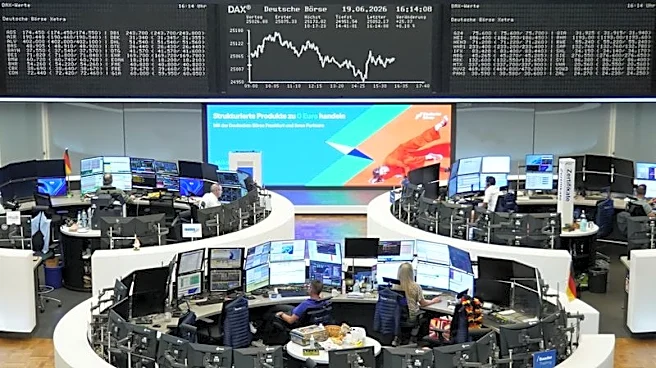
Germany has decided to abandon its F126 frigate program in favor of purchasing eight smaller MEKO A-200 frigates from German TKMS. This decision has led to a significant decline in European defense stocks, particularly affecting companies like Rheinmetall,
which was expected to be the lead contractor for the F126 program. The F126 program was initially valued at over 12 billion euros. The shift in strategy is attributed to project delays, cost increases, and risks associated with changing the prime contractor. The German government stated that the MEKO frigates would fulfill the German Navy's core mission of anti-submarine warfare and meet NATO obligations. This move has raised concerns among investors about the reliability of defense spending commitments by European governments.
Why It's Important?
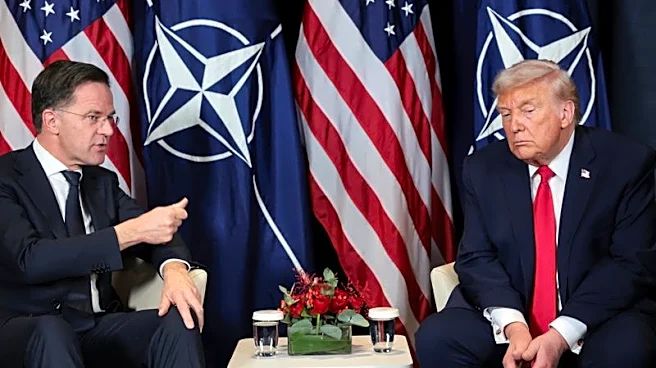
The cancellation of the F126 program underscores the political and unpredictable nature of government defense procurement. This decision has shaken investor confidence in the European defense sector, which had been buoyed by expectations of increased defense spending following NATO's agreement to raise defense budgets. The shift highlights the risk that governments may reallocate defense funds to other priorities, such as drones or advanced air defense systems. This uncertainty could constrain growth for defense companies, despite the anticipated increase in defense budgets. The decision also reflects broader concerns about whether European countries will fulfill their defense spending commitments, impacting the long-term growth prospects of the defense industry.
What's Next?
The immediate consequence of Germany's decision is a reevaluation of defense spending strategies by European governments. Companies like Rheinmetall may need to adjust their business strategies and revenue expectations in light of potential changes in government procurement priorities. Analysts have already reduced revenue expectations and price targets for Rheinmetall. The broader European defense industry may also need to adapt to shifting government priorities and explore opportunities in other areas, such as land vehicles and ammunition. The decision could prompt other European countries to reassess their defense procurement strategies, potentially leading to further market volatility.