







What's Happening?
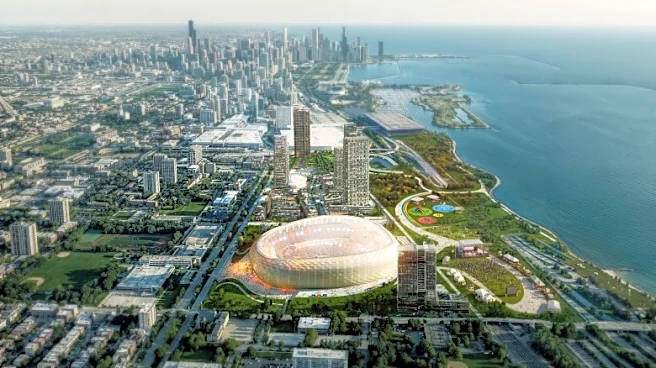
Arlington Heights village officials are increasingly open to a public stadium ownership model for the proposed Chicago Bears facility at the former Arlington Park property. This shift comes five years after the NFL franchise initially sought to purchase
the land and amid legislative efforts in Springfield. A new version of legislation, considered more politically palatable, would allow Arlington Heights, Chicago, and other Cook County towns to create municipal stadium authorities. These authorities could then enter into lease agreements with the team, enabling the Bears to build a publicly-owned stadium without paying property taxes. Under a preliminary scenario, the Bears would pay yearly rent to an Arlington Heights-run stadium authority, which would then distribute funds to local taxing bodies, with schools receiving approximately two-thirds. This model contrasts with the Bears' earlier lobbying efforts for a 40-year property tax break, which failed to pass the state Senate.
Why It's Important?
This development is significant for the future of the Chicago Bears' potential relocation and the economic landscape of Arlington Heights. A public ownership model could alleviate concerns about property tax exemptions for a private entity, making the project more acceptable to various political factions and the public. For Arlington Heights, it presents a pathway to securing the multi-billion-dollar development, which could bring substantial economic benefits through job creation and increased local revenue, even without direct property taxes from the stadium. However, village officials face the challenge of convincing local school districts and homeowners that this model will adequately compensate for lost property tax revenue and not lead to increased tax burdens for residents. The proposed structure aims to ensure schools and other local governments receive their share through negotiated payments, but the details of these agreements will be crucial.
What's Next?
Legislation enabling municipal stadium authorities is expected to be considered during the upcoming veto session in Springfield. If passed, Arlington Heights would proceed with establishing its own stadium authority, which would have a five-member board of directors and an executive director. This authority would then negotiate a master agreement with the Chicago Bears and intergovernmental agreements with local school districts and other taxing bodies. The goal is to ensure that any financial arrangement makes the schools 'whole' and that the development does not negatively impact local taxpayers. Lawmakers are scheduled to return to Springfield for the veto session, where the fate of this legislation will be determined. The outcome will significantly influence whether the Bears proceed with their plans in Arlington Heights or explore other locations, such as Northwest Indiana.
Beyond the Headlines
The shift towards a public stadium ownership model in Arlington Heights highlights a broader trend in professional sports facility development, where municipalities often take on ownership roles to facilitate projects and manage public benefits. This approach can be a complex balancing act, requiring careful negotiation between team interests, local government financial stability, and community needs. While it can secure major economic development, it also places the municipality in a long-term financial and administrative relationship with a private sports franchise. The success of this model will depend on the transparency of financial agreements, the ability to generate sufficient revenue to cover bond obligations without burdening taxpayers, and effective governance of the stadium authority. It also sets a precedent for how large-scale private developments with significant public impact are structured and financed in Illinois.