





What's Happening?
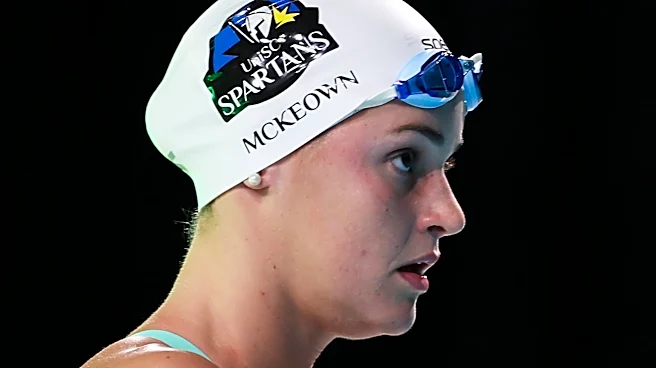
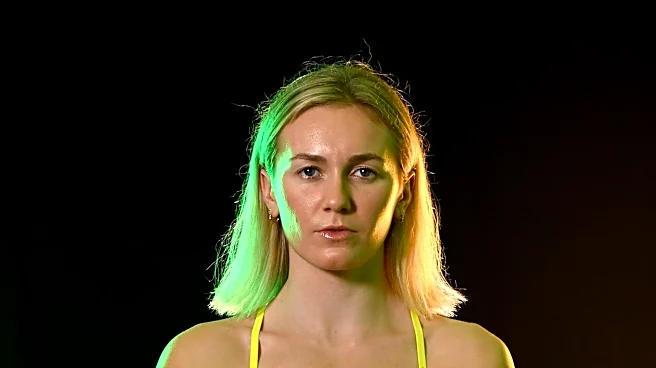
Three prominent Australian Olympic swimmers, Kaylee McKeown, Kyle Chalmers, and Mollie O'Callaghan, are currently navigating significant health and injury challenges as they prepare for the Los Angeles 2028 Olympics. Kaylee McKeown recently returned to
competition at the Swimming Australia Swim GP after a year-long absence due to glandular fever. Kyle Chalmers is on a six-week break from swimming to address a long-standing back issue. Mollie O'Callaghan, who has been dealing with back and shoulder injuries, withdrew from the Swim GP due to a skin infection. These athletes collectively hold 11 Olympic gold medals. Australian swimming head coach Rohan Taylor has expressed confidence in their ability to recover, emphasizing that their talent will not diminish and the priority is their health.
Why It's Important?
The health and readiness of these key athletes are crucial for Australia's performance in international swimming competitions, including the upcoming World Championships and the Los Angeles 2028 Olympics. Their collective absence or reduced performance due to illness and injury could significantly impact Australia's medal prospects and overall standing in global swimming. For the athletes themselves, managing these setbacks effectively is vital for their careers and mental well-being. The situation also highlights the intense physical demands placed on elite swimmers and the delicate balance between training, competition, and recovery. The approach taken by Australian swimming officials, prioritizing athlete health over immediate competitive pressure, could serve as a model for other national sports organizations facing similar challenges.
What's Next?
The immediate focus for McKeown, Chalmers, and O'Callaghan will be on full recovery and rehabilitation. McKeown's return to the Swim GP is a positive step, and she will likely continue a carefully managed return to full training and competition. Chalmers will complete his six-week break, followed by a gradual return to the pool, with ongoing management of his back issue. O'Callaghan will need to overcome her skin infection before resuming training and addressing her existing back and shoulder injuries. Australian swimming coach Rohan Taylor will continue to monitor their progress closely, ensuring they are healthy and prepared for the critical Olympic cycle. The goal is to have all three athletes in optimal condition for the 2028 Los Angeles Olympics.
Beyond the Headlines
The challenges faced by these Australian swimmers underscore a broader issue in elite sports: the increasing prevalence and impact of athlete burnout, chronic injuries, and long-term health conditions. The pressure to perform at the highest level often leads athletes to push their bodies to the limit, sometimes at the expense of their long-term health. This situation prompts a re-evaluation of training methodologies, recovery protocols, and the psychological support systems available to athletes. It also raises questions about the sustainability of demanding competitive schedules and the need for more individualized approaches to athlete management. The experiences of McKeown, Chalmers, and O'Callaghan could contribute to a wider dialogue on athlete welfare and the future of high-performance sports.