




What's Happening?
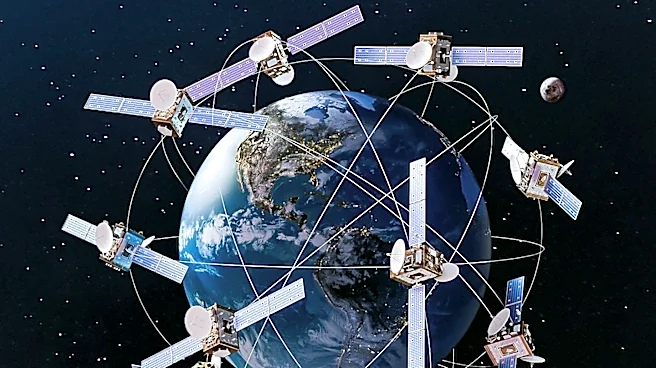
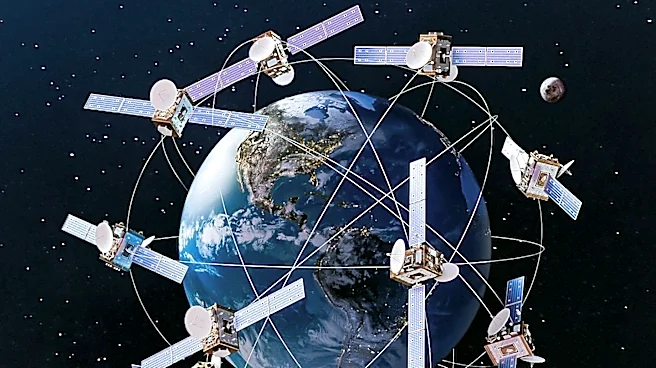
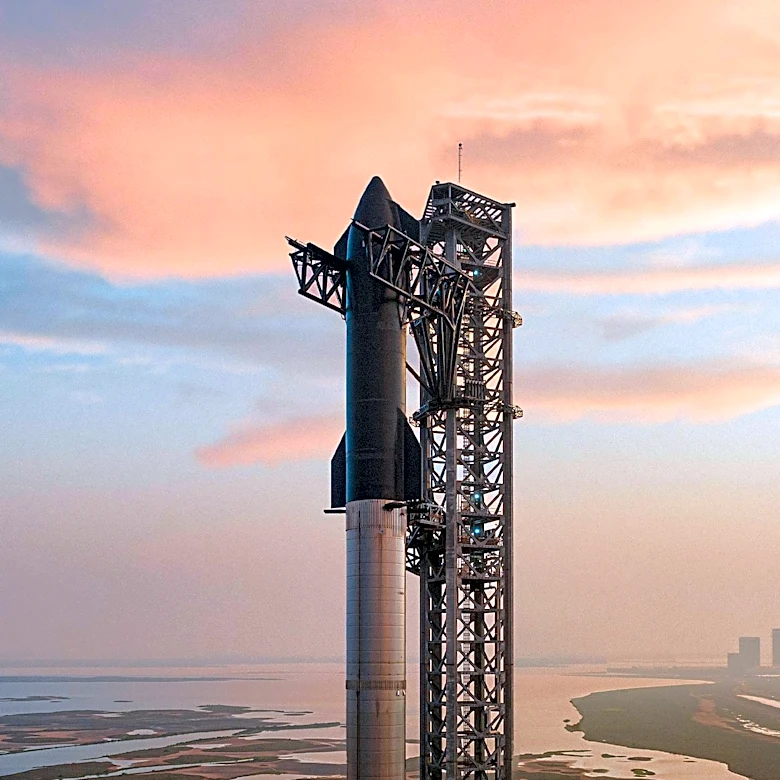
Despite having over 11,000 satellites in low-Earth orbit, SpaceX, led by Elon Musk, is encountering significant challenges in its ambition to compete with established U.S. wireless carriers like AT&T, T-Mobile, and Verizon. The primary hurdle is the limitation
of satellite-to-cellular technology in providing reliable coverage inside buildings and across densely populated urban areas, where walls and other obstacles weaken reception. While satellite connectivity excels in remote regions, it struggles in cities where a large concentration of potential customers resides. To address this, SpaceX is actively pursuing ground-based infrastructure solutions. The company has acquired 65 MHz of spectrum licenses from EchoStar and secured low-band spectrum from Grain Management, which is crucial for signals that penetrate buildings more effectively. SpaceX President Gwynne Shotwell has indicated plans to build the necessary terrestrial hardware, including smaller base stations and the utilization of towers and rooftops, to establish a full mobile service. SpaceX is also reportedly exploring options to acquire or gain network access from Boost Mobile, a subsidiary of EchoStar Corp.
Why It's Important?
SpaceX's efforts to enter the U.S. wireless market signify a potential disruption to the telecommunications industry, currently dominated by a few major players. If successful, this move could increase competition, potentially leading to more affordable and innovative mobile services for consumers. However, the challenges highlight the complex interplay between space-based and terrestrial infrastructure required to deliver comprehensive wireless coverage. The need for ground infrastructure, spectrum acquisition, and strategic partnerships underscores that even with a formidable satellite network, the battle for U.S. wireless customers will largely be fought on the ground. This endeavor has implications for investors, as it tests whether SpaceX can combine these diverse elements faster and more cost-effectively than traditional carriers, influencing market valuations and future investment in both satellite and terrestrial communication technologies.
What's Next?
The immediate next steps for SpaceX involve securing a workable terrestrial network arrangement and effectively utilizing its acquired spectrum licenses to build out actual coverage. This will likely entail significant investment in ground infrastructure and potentially navigating complex regulatory approvals for network agreements, especially if pursuing an acquisition or partnership with Boost Mobile. The success of these terrestrial efforts will be critical in determining SpaceX's ability to transition from a satellite internet provider to a competitive mobile service carrier. Investors and industry observers will be closely watching for announcements regarding terrestrial network deployments, further spectrum acquisitions, and strategic partnerships that could accelerate SpaceX's entry into the broader U.S. wireless market.
Beyond the Headlines
SpaceX's wireless ambitions extend beyond simply eliminating dead zones; they represent a broader vision of integrated global connectivity. The challenges faced in urban environments highlight the inherent limitations of even advanced satellite technology and underscore the enduring importance of robust terrestrial infrastructure. This situation could drive further innovation in hybrid communication systems that seamlessly blend satellite and ground-based networks. Furthermore, the competition introduced by SpaceX could pressure existing carriers to accelerate their own network expansions and technological upgrades, particularly in underserved areas. The long-term implications could include a more interconnected world, but also raise questions about data privacy, network security, and the regulatory frameworks needed to govern such expansive and integrated communication ecosystems.