





What's Happening?
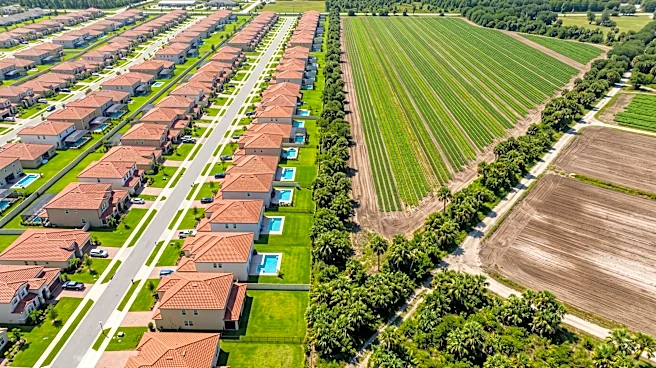
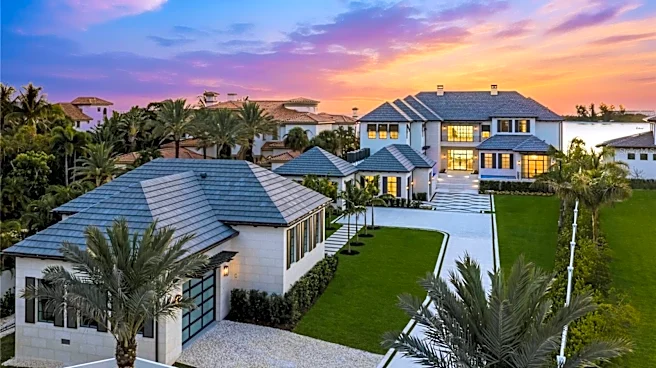
Palm Coast, Florida, is establishing itself as a coastal community focused on residential living rather than high-volume tourism. Situated between St. Augustine and Daytona Beach, the city offers a relaxed pace, access to nature, and planned neighborhoods.
Unlike larger coastal destinations, Palm Coast aims to provide a lifestyle free from tourist congestion, emphasizing quiet beaches, scenic Intracoastal waterways, local dining, shopping, and community events. This approach caters to full-time residents, particularly retirees, who seek long-term comfort and a balanced lifestyle. The city's appeal lies in its manageable pace, access to outdoor activities like walking and biking trails, local parks, and waterfront dining, all while maintaining a community-centric atmosphere.
Why It's Important?
This strategic focus on residential living in Palm Coast has significant implications for its development and demographic makeup. By actively avoiding mass tourism, the city preserves its tranquil environment and quality of life for residents, which can be a major draw for those seeking a permanent home in Florida. This contrasts with many other Florida coastal cities that heavily rely on and are often overwhelmed by tourism. The emphasis on planned neighborhoods and community events fosters a stable and engaged local population. For retirees, this model offers a desirable combination of coastal amenities, healthcare access, and a calm environment, making it an attractive option for long-term settlement. This approach also influences local businesses, encouraging those that cater to daily resident needs rather than transient tourist demands, potentially leading to more sustainable economic growth and community services.
What's Next?
Palm Coast is expected to continue developing infrastructure and services that support its residential-focused community. This includes further enhancement of walking and biking trails, local parks, and community event spaces. The city will likely maintain its efforts to attract businesses that serve the needs of its permanent residents, such as local dining establishments, shopping centers, and healthcare facilities. The sustained growth of its retiree population suggests a continued demand for accessible amenities and a peaceful environment. Future planning will likely prioritize maintaining the city's current character, ensuring that any new developments align with its vision of a residential-centric coastal community, thereby preserving its appeal to those seeking a quieter, long-term living experience in Florida.
Beyond the Headlines
The deliberate choice by Palm Coast to prioritize residential living over mass tourism reflects a broader trend in some desirable locations to manage growth and preserve local character. This strategy can lead to a more stable local economy, less seasonal fluctuation in services, and a stronger sense of community among residents. It also highlights a potential shift in what certain demographics, particularly retirees, value in a coastal destination – moving away from crowded tourist hubs towards more serene and integrated living environments. This approach could serve as a model for other communities grappling with the challenges of overtourism, demonstrating that a focus on quality of life for permanent residents can be a viable and beneficial development path, fostering a unique identity distinct from traditional tourist hotspots.