
What's Happening?
The Washington Nationals are focusing on developing their young players and acquiring veteran pitchers on short-term contracts for the upcoming 2027 season, according to Spencer Nusbaum of The Athletic.
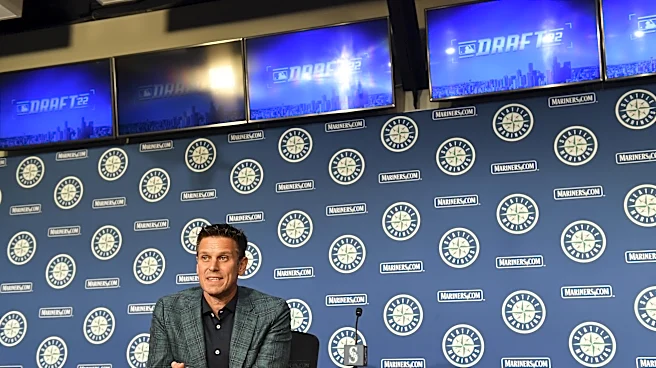
The team is not expected to pursue high-priced relief pitchers who demand multi-year deals and significant financial commitments. This strategy aligns with the approach taken in the previous season, utilizing the waiver wire for depth. While the ownership group, led by Mark Lerner, is anticipated to loosen purse strings this offseason, the organization is not planning to become a top spender. President of baseball operations Paul Toboni, who has an analytical background, typically avoids long-term commitments to expensive relievers, a trend observed even during his tenure with the Boston Red Sox. The Nationals aim to improve their pitching staff, which includes an underwhelming starting rotation beyond Cade Cavalli and a bullpen that recorded the most blown saves in Major League Baseball history.
Why It's Important?
This strategic decision by the Washington Nationals has significant implications for their competitive outlook and financial management. By avoiding high-priced relievers, the team aims to maintain financial flexibility and potentially invest more in other areas or retain key young talent. This approach could be seen as a long-term play, prioritizing sustainable growth through player development rather than immediate, expensive fixes. For fans, it signals a continued emphasis on building from within, which might require patience as young players mature. The decision also reflects a broader trend in baseball analytics, where some front offices are wary of the volatility and high cost associated with elite relief pitching. This strategy could influence how other mid-market teams approach their offseason acquisitions, balancing competitive needs with financial prudence and long-term roster construction.
What's Next?
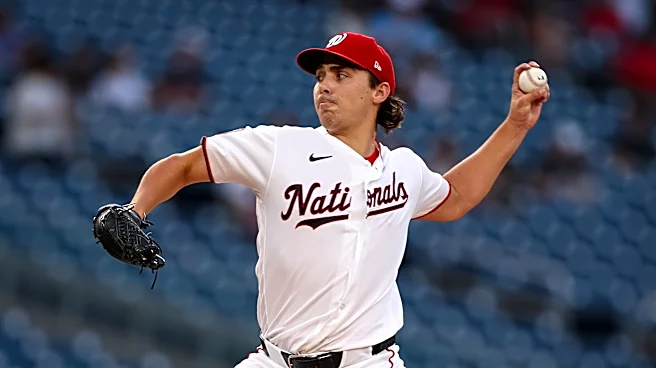
The Washington Nationals are expected to continue exploring the waiver wire for pitching depth and targeting veteran arms for short-term contracts. Trades remain a possibility, as President of Baseball Operations Paul Toboni has demonstrated a willingness to make deals. The focus will be on evaluating the young players who showed potential at the end of the 2026 season, such as Erik Tolman, Yovanny Cruz, and Jack Sinclair, to see if they can become consistent contributors to the bullpen. The team will also need to address its starting rotation beyond Cade Cavalli. While the offseason is still in its early stages, the clear indication is that high-priced relief pitchers are not on the Nationals' target list, guiding their subsequent moves in the free agency and trade markets.
Beyond the Headlines
The Nationals' strategy reflects a philosophical divide in baseball management regarding bullpen construction. While some teams invest heavily in proven closers and setup men, the Nationals appear to be leaning into the idea that bullpen success can be more fluid and less dependent on high-cost acquisitions. This approach could highlight the increasing reliance on analytics to identify undervalued assets and develop internal talent, rather than engaging in bidding wars for established stars. It also underscores the financial realities for teams that may not have the deep pockets of larger market franchises, forcing them to be more creative and strategic in their roster building. The success or failure of this strategy could influence future trends in how MLB teams allocate resources for their pitching staffs, particularly in the volatile relief market.