









What's Happening?
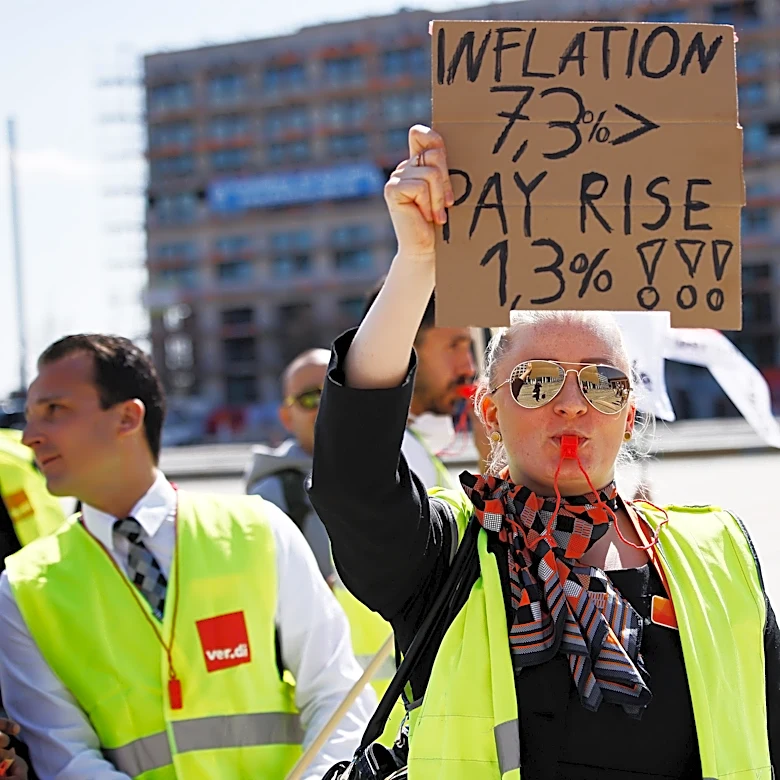
Yvonne van Bokhoven of TEAM LEWIS discusses the challenges facing the agency industry, emphasizing that the core issues are structural rather than creative. The traditional cyclical business model is no longer sufficient as agencies face pressures from
wars, inflation, and fundamental changes in demand. The commercial model has evolved faster than agency operations, with clients rebalancing budgets unpredictably and talent costs rising. The introduction of AI and new technologies has altered service demands, while procurement processes have become more complex. Agencies must adapt to these changes to survive, requiring early intervention and strategic adjustments.
Why It's Important?
The agency industry's struggles highlight the need for businesses to adapt to rapidly changing market conditions. The shift from cyclical to structural challenges means that agencies must rethink their operational models to remain competitive. This situation underscores the importance of financial oversight and strategic planning in navigating economic pressures. Agencies that fail to adapt risk insolvency, impacting their ability to retain talent and serve clients effectively. The industry's evolution also reflects broader economic trends, where technological advancements and changing consumer behaviors drive significant shifts in business operations.
What's Next?
Agencies are encouraged to implement early-warning systems to identify financial and operational risks before they escalate. This includes monitoring cash flow, client concentration, and delivery models. Leaders must be proactive in restructuring and refining processes to maintain resilience. The industry may see increased consolidation as agencies merge or recapitalize to strengthen their positions. The focus will be on creating flexible, sustainable business models that can withstand market volatility and meet evolving client needs.