






What's Happening?
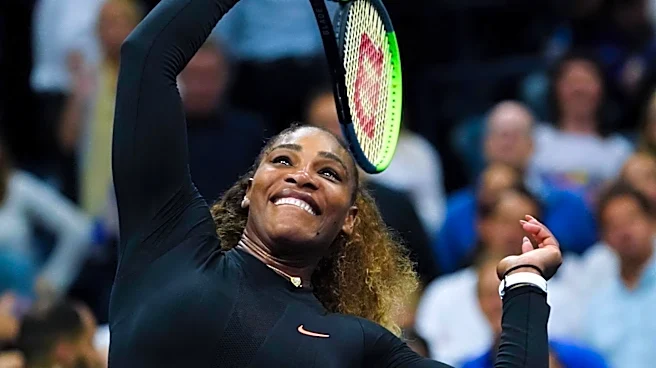
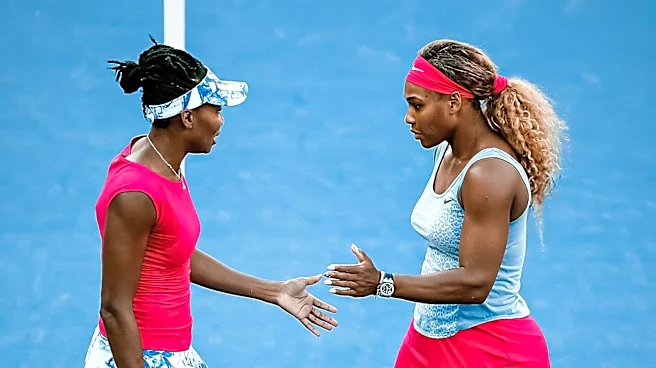
A recent article highlights eight nonfiction books that delve into the less glamorous and often darker realities of sports. Among the discussed works is 'My Life: Queen of the Court' by Serena Williams, which touches upon the intense upbringing orchestrated
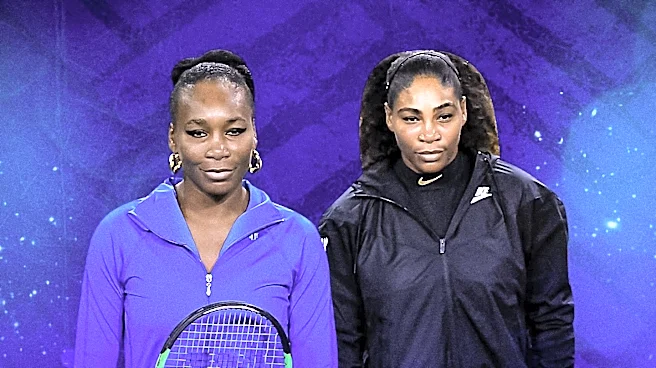
by her father, Richard Williams. The article draws parallels between Richard Williams's approach and that of other famous sports fathers, such as Andre Agassi's father, noting their determination to create champions. It describes how Richard Williams would take Venus and Serena to local tennis courts in Compton with shopping trolleys full of tennis balls, fostering a competitive environment where Venus initially excelled, driving Serena to surpass her sister. The piece also covers other sports figures like Rafael Nadal, whose memoir reveals anxieties and a demanding training regimen.
Why It's Important?
This exploration of the 'darker parts of sports' is important because it challenges the often-idealized public perception of athletic success. By revealing the intense pressures, psychological tolls, and sometimes controversial methods employed in the pursuit of greatness, these books offer a more nuanced understanding of what it takes to become a top athlete. The focus on figures like the Williams sisters and Rafael Nadal underscores that even the most celebrated champions often navigate significant personal and familial challenges. This perspective can influence how society views youth sports, coaching methodologies, and the overall well-being of athletes, prompting discussions about the balance between ambition and mental health in competitive environments.
What's Next?
The continued discussion and promotion of such nonfiction works could lead to a greater public awareness of the psychological and emotional demands placed on athletes from a young age. This might encourage sports organizations, parents, and coaches to re-evaluate training practices and prioritize the holistic development of athletes alongside their physical skills. The insights from these books could also contribute to broader conversations about the ethics of sports parenting and the long-term impacts of intense competitive environments on individuals. Furthermore, it may inspire more athletes to share their own experiences, fostering a culture of openness about mental health in sports.
Beyond the Headlines
The article implicitly raises ethical questions about the fine line between dedicated coaching and potentially abusive or overly demanding parental involvement in sports. The comparison of Richard Williams to other 'famous fathers who have abused their children towards greatness' suggests a deeper societal concern about the psychological well-being of young athletes. This goes beyond individual stories to touch upon cultural norms within competitive sports that often prioritize winning above all else. The long-term implications include potential shifts in how sports academies and professional leagues approach athlete development, possibly leading to more robust support systems for mental health and stricter guidelines for coaching practices to ensure a healthier environment for aspiring champions.