







What's Happening?
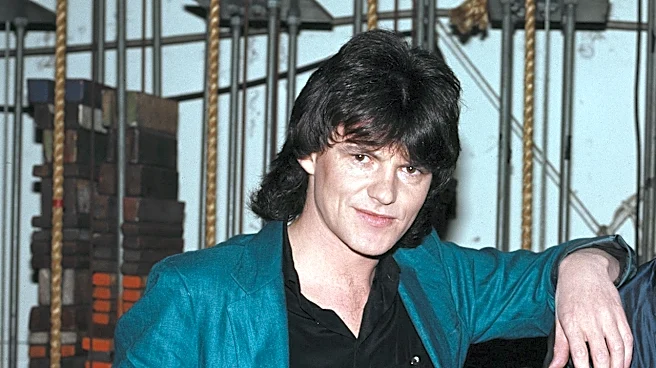
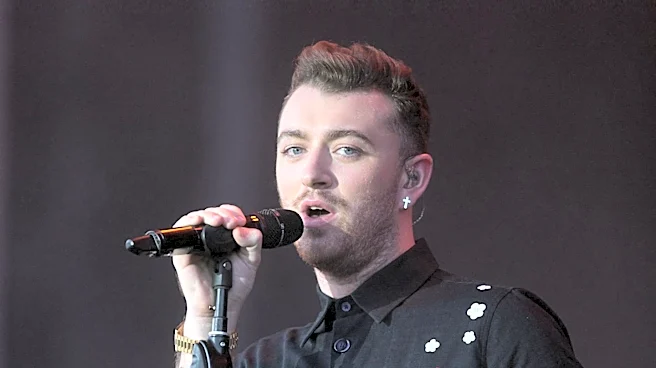
A federal judge in Los Angeles, U.S. District Judge Wesley L. Hsu, has denied a motion by Sam Smith and Normani to dismiss a copyright infringement lawsuit concerning their song 'Dancing With a Stranger.' The lawsuit, filed by songwriters Jordan Vincent,
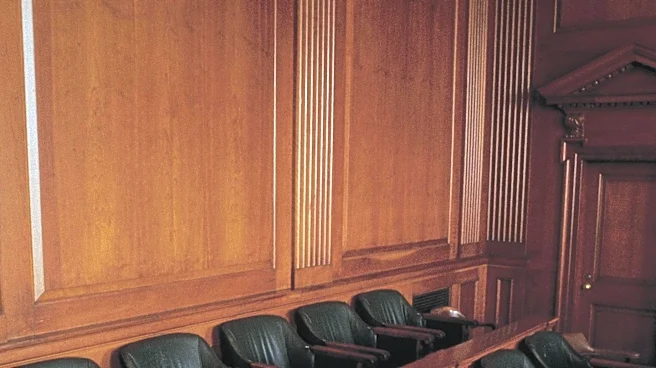
Christopher Miranda, and Rosco Banlao, alleges that Smith and Normani's multi-platinum hit stole its hook from their 2015 song, also titled 'Dancing With a Stranger.' Judge Hsu's ruling, issued on Wednesday, determined that there is sufficient material fact regarding 'striking similarity' and 'independent creation' to preclude a summary judgment. This decision means the case will proceed to trial, allowing a jury to decide on the musicological issues. The lawsuit has been ongoing for four years, was previously dismissed, and then revived on appeal. The defendants had argued that the plaintiffs' 2015 song incorporated unauthorized samples, thus not entitling it to copyright protection, a claim the judge also found to have a 'dispute of material fact.'
Why It's Important?
This ruling is significant for the music industry and copyright law in the U.S., particularly concerning how musical similarities are assessed in infringement cases. Judge Hsu's emphasis that 'analysing each element in isolation is improper' for determining 'striking similarity' sets a precedent for a more holistic evaluation of musical works. This approach could make it more challenging for defendants in future copyright cases to dismantle claims by dissecting musical elements individually. The decision also highlights the complexities of proving independent creation versus access and copying, leaving such determinations to a jury. For artists and record labels, this case underscores the financial and reputational risks associated with copyright disputes, especially for commercially successful songs. The outcome could influence how artists approach songwriting, sampling, and collaboration, potentially leading to increased scrutiny and more rigorous clearance processes to avoid lengthy and costly legal battles.
What's Next?
The lawsuit will now proceed to trial, where a jury will be tasked with evaluating the musicological evidence and determining whether Sam Smith and Normani's 'Dancing With a Stranger' infringed upon the plaintiffs' 2015 song. Both legal teams will present their arguments, with the plaintiffs' lawyer, Alfred J. Fluehr, expressing gratification that a jury will decide the case. The defendants, including Universal Music Group, have not yet publicly responded to the latest ruling. The trial will likely involve expert testimonies from musicologists to analyze the similarities and differences between the two songs. The outcome could result in significant financial damages if infringement is found, and it will further clarify the legal standards for musical copyright in the U.S. The case's progression will be closely watched by legal professionals and the music industry, as it could influence future copyright litigation strategies and settlements.
Beyond the Headlines
Beyond the immediate legal implications, this case touches upon broader questions regarding originality and inspiration in creative works. The music industry frequently grapples with the fine line between homage, influence, and outright copying. This trial will delve into the subjective nature of musical composition and how legal frameworks attempt to quantify and protect intellectual property in an art form that often builds upon existing sounds and structures. The discussion around unauthorized samples in the plaintiffs' own song also raises ethical and legal questions about the 'cleanliness' of a work seeking copyright protection. The case could contribute to a more nuanced understanding of how prior works, even those with potential copyright issues, impact subsequent claims. Ultimately, the jury's decision will not only affect the parties involved but could also shape cultural perceptions of artistic ownership and the boundaries of creative borrowing in contemporary music.