

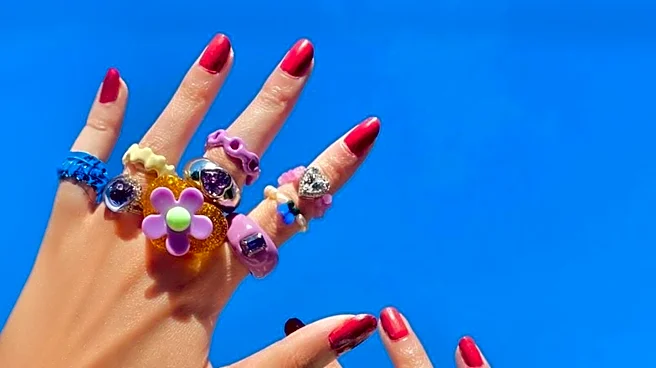


What's Happening?
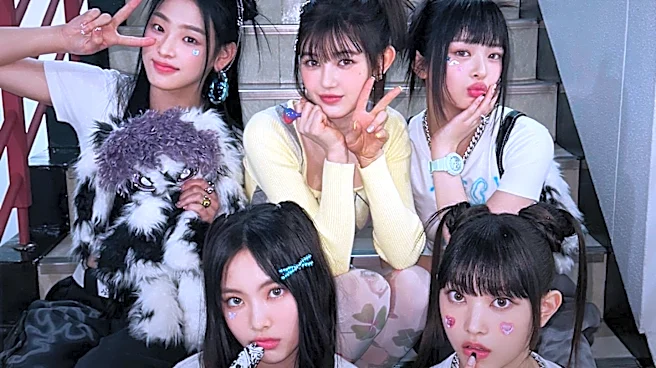
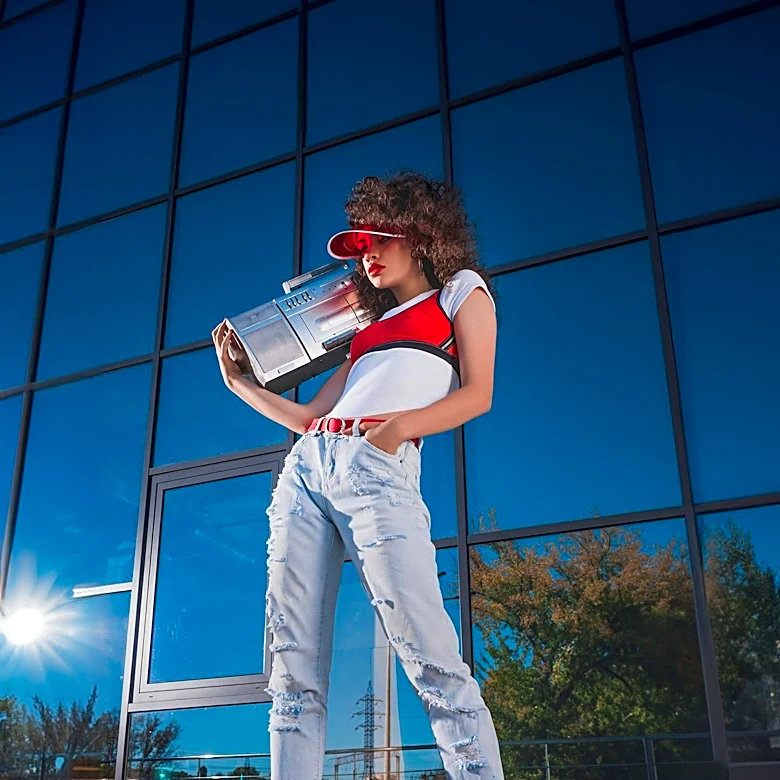
The Y2K aesthetic, characterized by the visual and cultural style of the late 1990s and early 2000s, is experiencing a significant resurgence in active lifestyle and fashion. This trend is marked by the popularity of Y2K-inspired graphic tees, low-rise
bell bottoms, and vibrant colors, appealing to both millennials and Gen Z. Social media platforms, particularly TikTok and Pinterest, are playing a crucial role in amplifying this revival, with millions of posts dedicated to '90s nostalgia and Y2K-related hashtags. The aesthetic encompasses futuristic optimism, early digital interfaces, and playful experimentation. Fashion items like zig-zag headbands, stretchy headbands, and even the revival of classic iPods are indicative of this widespread cultural reclamation. This cyclical nature of fashion sees the early 2000s hitting peak cultural relevance, attracting new audiences across generations.
Why It's Important?
The resurgence of Y2K nostalgia holds significant importance for the fashion and retail industries, influencing product development, marketing strategies, and consumer spending. For businesses, understanding this cross-generational appeal is key to capturing market share, as both millennials reliving their youth and Gen Z discovering the era for the first time are driving demand. This trend impacts design choices, leading to the production of specific clothing styles, accessories, and even beauty products like glitter and gloss. The strong influence of social media platforms means that brands must engage effectively on these channels to connect with consumers. Furthermore, the demand for retro tech, such as refurbished iPods, highlights a broader consumer interest in simpler, tangible experiences amidst a highly digital world, creating niche markets for vintage electronics and related accessories. This cultural phenomenon also reflects a desire for comfort and self-expression in active wear, blending retro aesthetics with modern functionality.
What's Next?
The Y2K nostalgia trend is expected to continue evolving, with potential for further integration into various aspects of lifestyle and consumer products. We may see more brands collaborating with influencers on TikTok and Pinterest to showcase Y2K-inspired collections, further solidifying its presence in mainstream fashion. The demand for sustainable and eco-friendly options within this aesthetic could also grow, as consumers increasingly prioritize ethical consumption. This could lead to the development of Y2K-style apparel made from recycled materials or through upcycling initiatives. Additionally, the trend might expand beyond fashion into other areas such as home decor, entertainment, and technology, with a focus on retro-futuristic designs and digital interfaces. The cyclical nature of fashion suggests that while the Y2K aesthetic is currently peaking, it will likely continue to influence design elements and consumer preferences for the foreseeable future, albeit in modified forms.
Beyond the Headlines
Beyond its immediate impact on fashion and retail, the Y2K nostalgia trend reflects deeper cultural and psychological undercurrents. For millennials, it offers a sense of comfort and escapism, a return to a perceived simpler time before the complexities of modern digital life. For Gen Z, who did not experience the era firsthand, it represents a fresh and exciting aesthetic, a way to connect with a past that feels both novel and cool. This cross-generational appeal highlights the power of collective memory and shared cultural touchstones, even if experienced differently. The emphasis on playful experimentation and vibrant colors can also be seen as a counter-response to more minimalist or subdued trends, offering a form of optimistic self-expression. The revival of early digital interfaces and retro tech also points to a growing appreciation for the tangible and less overwhelming aspects of technology, contrasting with the often-intrusive nature of contemporary digital experiences.