







What's Happening?
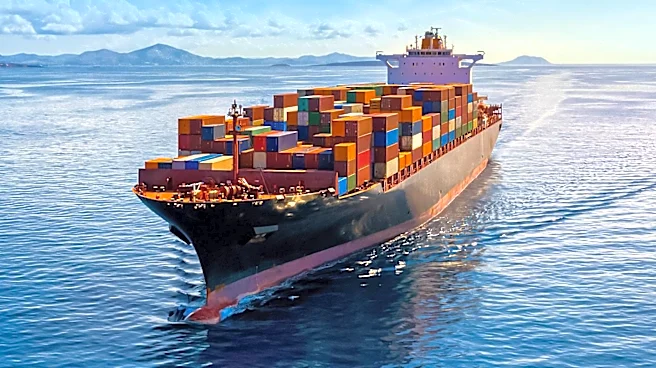
The reopening of the Strait of Hormuz marks a significant step in addressing recent disruptions in global supply chains. Eric Fullerton, vice president of data insights at project44, highlighted that while the reopening is a positive development, it is merely
the beginning of a lengthy recovery process. The supply chain industry is currently navigating a 'never-normal' environment, characterized by constant change and the need for resilience. The recovery will involve clearing port congestion, repositioning equipment, restoring commercial confidence, and evaluating which emergency measures adopted during the crisis should become permanent practices.
Why It's Important?
The reopening of the Strait of Hormuz is crucial for global trade, as it is a vital corridor for oil and goods transportation. However, the ongoing challenges in supply chain management underscore the need for adaptability in the face of disruptions. The situation highlights the vulnerabilities in global logistics, emphasizing the importance of developing more resilient and flexible supply chain strategies. This has significant implications for U.S. industries reliant on international trade, as they must prepare for continued volatility and potential disruptions in the future.
What's Next?
As the supply chain industry works towards recovery, stakeholders will need to focus on enhancing resilience and adaptability. This may involve investing in technology to improve visibility and efficiency, as well as reevaluating supply chain strategies to mitigate future risks. Companies may also need to consider diversifying their supply sources and routes to reduce dependency on any single corridor. The industry will likely see increased collaboration among stakeholders to develop more robust contingency plans.