






What's Happening?
Procter & Gamble (P&G), the consumer goods giant behind brands like Tide and Pampers, has announced plans to significantly reduce its manufacturing and logistics workforce by 20% to 30% by 2030. This initiative, revealed by Chief Product Supply Officer
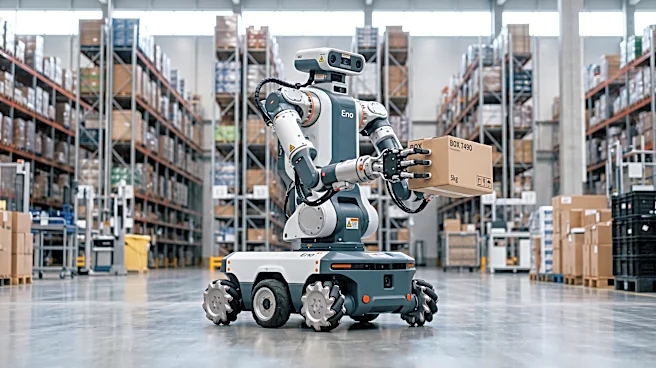
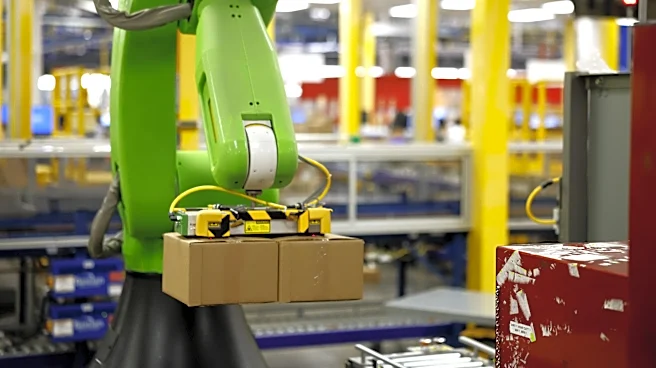
Luc Reynaert at an investor day on November 19, is part of a broader strategy to achieve up to $10 billion in company-wide productivity savings between fiscal years 2027 and 2030. CFO Andre Schulten indicated that job cuts are a component of this larger savings program, which also includes delivering up to $1.8 billion in annual productivity savings from the cost of goods sold. The company cited rising input costs, including raw materials, energy, and freight, as a primary driver for these measures. P&G had previously warned that these costs would impact annual profit, with commodity expenses expected to add $1.4 billion to its costs this fiscal year. The company's earnings growth has also been slow, with a 1% rise in the fiscal year ended June 2026, marking its slowest growth since 2016. P&G is also expanding its use of automated facilities, with 15 already operating without on-site staff, aiming for a 20% productivity improvement by 2030 through this model.
Why It's Important?
This strategic move by Procter & Gamble signals a significant shift in how large consumer packaged goods companies are adapting to economic pressures and technological advancements. The planned workforce reduction and substantial cost-saving targets reflect a broader industry trend towards automation and efficiency in response to increasing operational costs and slower growth. For investors, particularly those focused on income, P&G's ability to maintain its dividend track record—having paid dividends for 136 consecutive years and raised them for 70 straight years—while undergoing such a transformation will be closely watched. The success of these measures will likely be gauged by the company's core gross margin in upcoming quarterly reports. If productivity gains can offset rising costs and maintain volume growth, it could set a precedent for other companies facing similar challenges. Conversely, if margins continue to decline and volume stalls, it could indicate that cost-cutting alone is insufficient to drive sustainable growth, potentially impacting investor confidence and the company's market position.
What's Next?
Procter & Gamble's immediate focus will be on the implementation of its productivity savings program, which includes the gradual reduction of its manufacturing and logistics workforce through 2030. The company will also continue to expand its network of automated facilities, aiming to integrate this model across its logistics operations to enhance productivity. Investors and market analysts will closely monitor P&G's core gross margin in subsequent quarterly reports, particularly the first full quarter reflecting $100 oil prices, to assess the effectiveness of these cost-cutting measures. The company's ability to narrow the decline in gross margin while maintaining volume growth will be a key indicator of the plan's success. Furthermore, P&G's commitment to reinvestment to grow faster than the market, as stressed by CFO Andre Schulten, suggests that any savings realized will be channeled into strategic areas, potentially including further technological adoption and market expansion. The company's CEO, Shailesh Jejurikar, has positioned P&G as the 'consumer packaged goods company of the future,' implying continued innovation and reliance on consumer-profile databases and AI.
Beyond the Headlines
The significant workforce reduction announced by Procter & Gamble highlights a broader societal and economic shift driven by automation and artificial intelligence. The company's plan to operate facilities without on-site staff and its goal to improve productivity by 20% through automation by 2030 underscore the increasing role of technology in manufacturing and logistics. This trend raises important questions about the future of employment in traditional industrial sectors and the need for workforce retraining and adaptation. While P&G aims to reinvest savings for growth, the displacement of a substantial portion of its manufacturing and logistics workforce could have ripple effects on local economies and communities. The ethical implications of prioritizing automation for efficiency over human employment will likely become a more prominent discussion point as more companies adopt similar strategies. Furthermore, the reliance on AI and consumer-profile databases for future growth signals a deeper integration of data analytics into business strategy, potentially raising concerns about data privacy and consumer surveillance in the pursuit of market advantage.