





What's Happening?
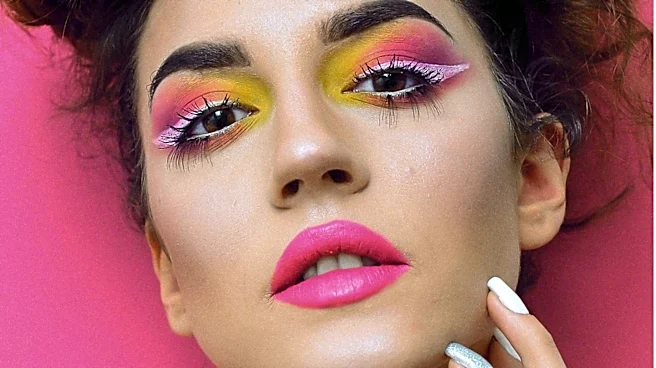
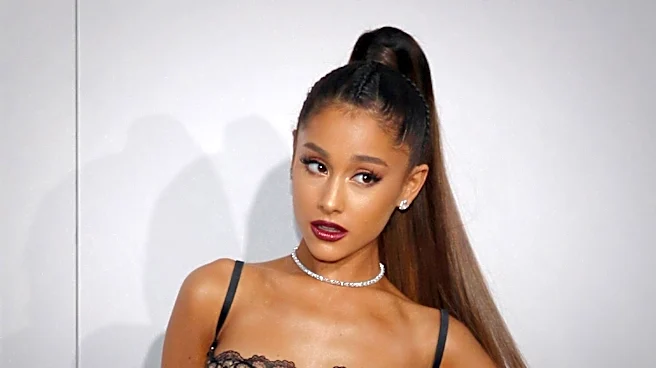
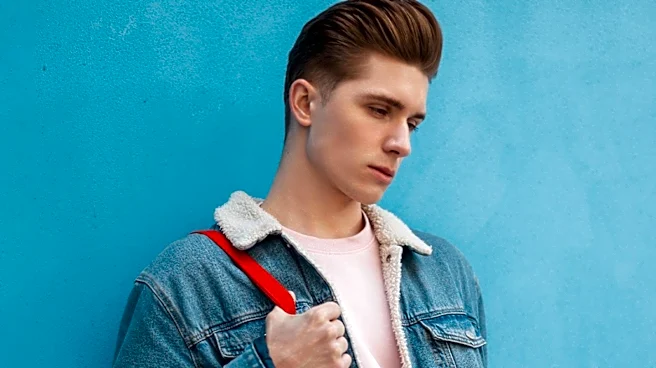
Turning Point USA spokesperson Andrew Kolvet has raised concerns about the viral 'looksmaxxing' trend, describing it as a 'red warning sign' for young men. This trend, which focuses on maximizing physical appearance through fitness, grooming, and facial
aesthetics, is gaining popularity among young men seeking self-improvement. Kolvet's comments were made during an appearance on 'The Will Cain Show,' where he emphasized the need for young men to find mentors who can guide them through the complexities of modern social life. The trend is promoted by influencers like Clavicular, who advocates for practices such as 'bone smashing' to enhance jawline aesthetics. Kolvet, while acknowledging Clavicular's charisma, urged young men to prioritize 'charactermaxxing' over physical appearance, emphasizing the importance of developing values and social skills.
Why It's Important?
The rise of the 'looksmaxxing' trend highlights a significant cultural shift among young men who are increasingly focused on physical appearance as a means of self-improvement. This trend reflects a broader societal issue where traditional mentorship roles are diminishing, leaving young men to seek guidance from online influencers. The emphasis on physical aesthetics over character development could have long-term implications for personal and social development. Kolvet's call for mentorship underscores the need for positive role models who can provide guidance beyond superficial improvements. This situation presents an opportunity for community leaders and organizations to step in and offer support to young men navigating the challenges of modern life.
What's Next?
As the 'looksmaxxing' trend continues to gain traction, it is likely to spark further debate about the role of social media influencers in shaping young people's values and priorities. Community leaders and organizations may respond by developing programs aimed at providing mentorship and promoting holistic self-improvement. Additionally, there may be increased scrutiny on the practices promoted by influencers, particularly those that involve physical alterations. The conversation around mentorship and character development is expected to grow, with potential policy implications for educational and community support systems.