


What's Happening?
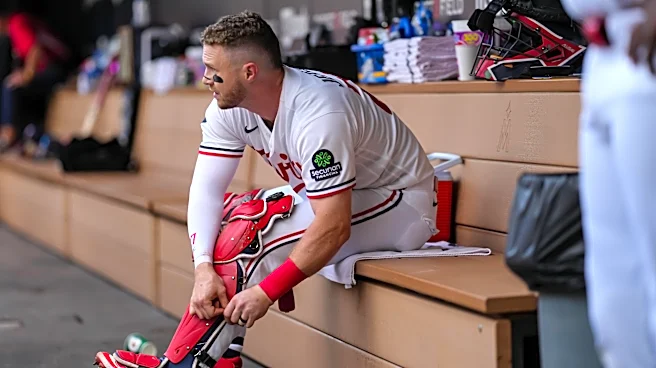
The San Francisco Giants are exploring the possibility of trading third baseman Matt Chapman as a strategic move to address several positional questions and create a clearer path for their younger core players. The offseason has brought prominent questions regarding
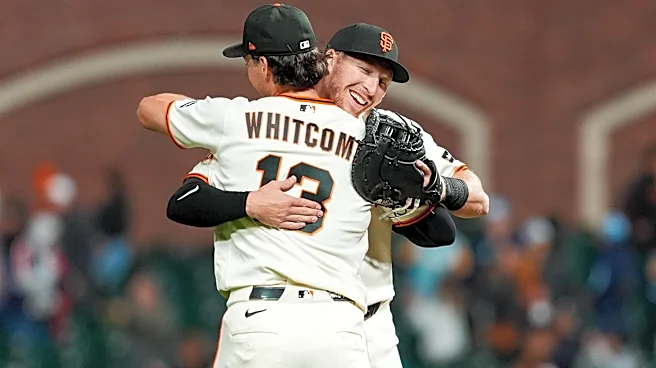
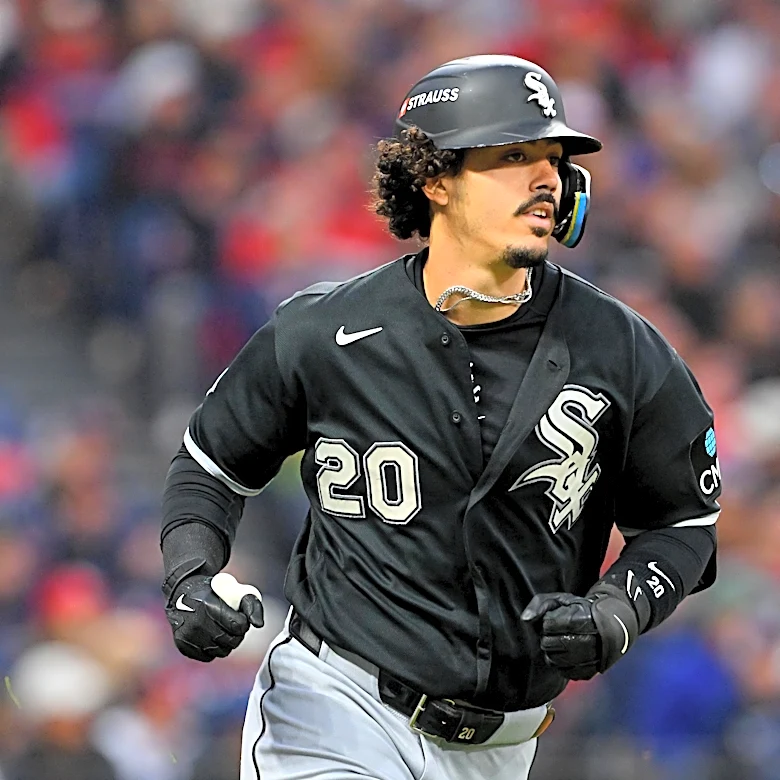
left field, second base, and third base. While the Giants could immediately fill these positions with Casey Schmitt in left field, Marcelo Mayer at second base, and Chapman at third, trading Chapman could offer a more effective long-term roster solution. The primary goals are to provide everyday playing time for Mayer to support his development and to significantly upgrade the left field position. Moving Chapman would allow Schmitt to return to third base full-time and create regular opportunities for Mayer at second base, who has not yet received an extended opportunity at the MLB level.
Why It's Important?
A potential trade of Matt Chapman represents a significant strategic shift for the San Francisco Giants, prioritizing the development of young talent and the optimization of their roster. By creating defined roles for promising players like Marcelo Mayer and Casey Schmitt, the Giants aim to foster their growth and build a more flexible, younger core. This move could also free up resources to pursue leading free agents for left field, addressing a critical offensive need. While trading an established player like Chapman carries inherent risks, it could accelerate the transition to a new generation of players and allow the organization to properly evaluate its prospects. This decision reflects a commitment to long-term team building over short-term stability, potentially reshaping the team's competitive window and future direction.
What's Next?
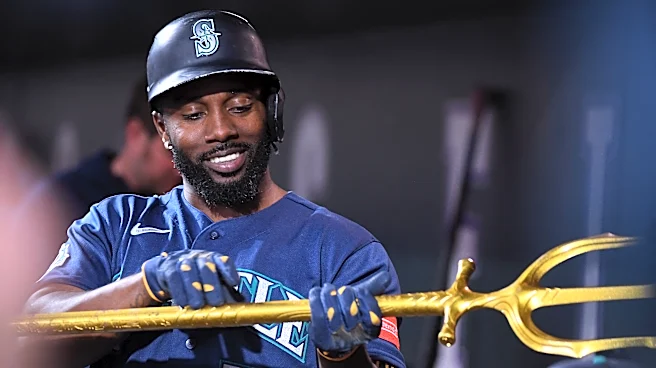
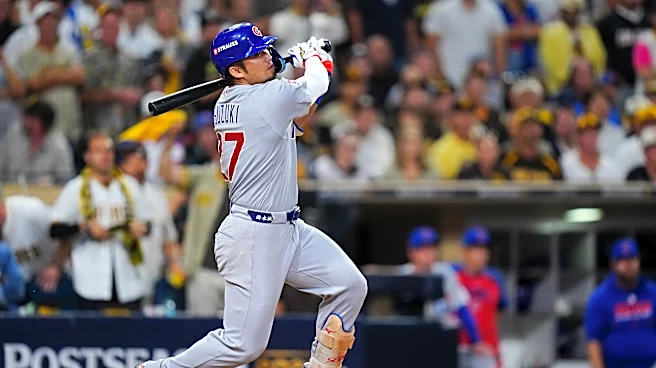
While trading Matt Chapman is currently considered unlikely, the San Francisco Giants are actively evaluating the possibility. If a trade were to occur, it would clear a path for Casey Schmitt to return to third base full-time and provide Marcelo Mayer with regular opportunities at second base. This would also open up left field, allowing the Giants to pursue high-caliber free agents such as Ian Happ, Randy Arozarena, or Seiya Suzuki, or consider second-tier alternatives like Randal Grichuk, Taylor Ward, and Ramon Laureano as bridge options. The Giants would need to receive an appropriate return for Chapman and be confident in Schmitt and Mayer's readiness for larger roles. The organization's ability to evaluate its young players properly depends on providing them with meaningful opportunities, making a Chapman trade a potential catalyst for this strategy.
Beyond the Headlines
The contemplation of trading Matt Chapman goes beyond a simple roster move; it signifies a potential philosophical shift within the San Francisco Giants organization towards a youth-centric development model. This approach, while risky, aims to cultivate homegrown talent and build a sustainable competitive advantage. The challenge lies in balancing the immediate need for competitive performance with the long-term investment in player development. Such a strategy requires patience and a clear vision from team management, as the immediate results might be inconsistent. Furthermore, the decision to trade an established veteran for the sake of younger players could influence team morale and the perception of the organization among other veteran players, highlighting the complex human element in strategic roster decisions.