








What's Happening?
Commodity Futures Trading Commission (CFTC) Chair Michael Selig has defended the agency's decision to approve perpetual futures, known as 'perps', for trading in the U.S. This decision marks the first time such contracts, which have no expiration date,
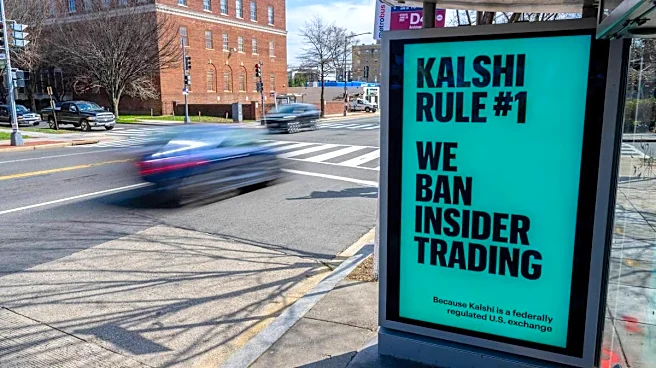
are allowed domestically. The approval was granted to Kalshi, a prediction market platform, which has since expanded its offerings to include other cryptocurrencies. Selig emphasized the importance of regulating these products within the U.S. to ensure safety and compliance with robust regulations. Despite criticism from CME Group CEO Terrence Duffy, who raised concerns about the leverage and risk associated with perps, Selig argued that the CFTC's role is to ensure proper disclosure and suitability assessments by brokers.
Why It's Important?
The approval of perps in the U.S. represents a significant shift in the regulatory landscape for cryptocurrency trading. By allowing these contracts, the CFTC aims to bring a popular international trading product under U.S. regulatory oversight, potentially increasing market participation and innovation. However, the decision has sparked debate over the risks associated with high leverage and the potential for market volatility. The move could impact financial markets by introducing new trading strategies and attracting more investors to the cryptocurrency space. It also highlights the ongoing tension between innovation and regulation in the financial sector.
What's Next?
As the U.S. market adapts to the introduction of perps, stakeholders will closely monitor the impact on trading volumes and market stability. The CFTC will likely continue to refine its regulatory framework to address any emerging risks. Market participants, including brokers and traders, will need to ensure compliance with disclosure and suitability requirements. The decision may also prompt other regulatory bodies to consider similar approvals, potentially leading to broader adoption of perps in traditional financial markets.