
What's Happening?
Actor Charlie Cox, known for his role in 'Daredevil,' revealed he was denied an opportunity to audition for the role of James Bond because he was deemed 'too old.' Cox stated that he was informed of this
decision despite Robert Pattinson, who was ultimately cast as 007, being of a similar age. Cox, who will turn 44 in December, noted that Pattinson turned 40 this year. He expressed surprise at the age restriction, questioning why 44 would be considered too old for the iconic spy role. Other actors reportedly considered for the role included Jack Lowden, Josh O’Connor, Callum Turner, and Nicholas Hoult. Cox praised Pattinson's career trajectory and his collaborations with notable directors. Amazon MGM Studios announced Robert Pattinson would take on the James Bond role, with Pattinson expressing deep gratitude and excitement for the opportunity.
Why It's Important?
This situation highlights ongoing discussions within the entertainment industry regarding ageism, particularly for male actors in leading roles. While female actors often face scrutiny over age, Cox's experience suggests that similar biases can affect men, especially for physically demanding and long-running franchises like James Bond. The casting decision for such a globally recognized character can influence perceptions of ideal age ranges for action heroes and may spark further debate about equitable opportunities in Hollywood. It also underscores the subjective nature of casting choices and the often-unspoken criteria that can influence major studio decisions, potentially impacting the careers of actors who might otherwise be considered suitable for high-profile roles.
What's Next?
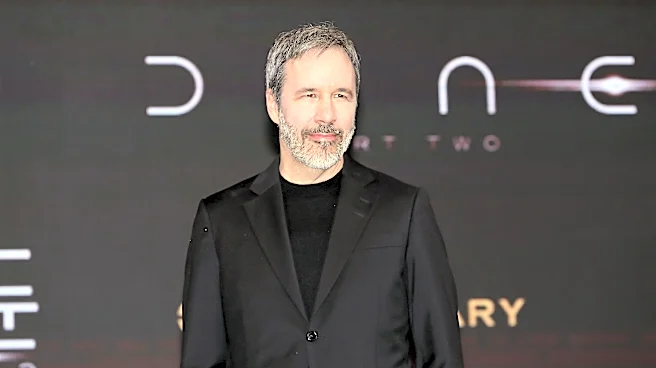
Following Robert Pattinson's casting, the focus will shift to the production of the new James Bond film, directed by Denis Villeneuve. Pattinson's portrayal of 007 will be closely watched by fans and critics, setting the tone for the next era of the franchise. For Charlie Cox, this revelation may open up conversations about age inclusivity in future casting calls for major film roles. The broader industry might face renewed pressure to re-evaluate age-related restrictions, especially when actors of similar age are treated differently. This could lead to more transparent casting processes or a re-examination of traditional age demographics for action leads in Hollywood.
Beyond the Headlines
The incident touches upon the broader cultural narrative surrounding aging and capability in high-profile professions. In an industry that often prioritizes youth, the perceived 'shelf life' of actors, even those in their early 40s, can be a significant barrier. This situation could prompt a deeper look into how ageism intersects with other industry pressures, such as marketability and audience perception. It also raises questions about the consistency of casting criteria, as the age difference between Cox and Pattinson is relatively small. The discussion extends beyond individual actors to the systemic biases that shape who gets to embody iconic characters, reflecting societal attitudes towards age and competence in the public eye.