





What's Happening?
Eli Lilly has reported a significant increase in sales for its injectable weight-loss and diabetes drugs, Mounjaro and Zepbound, during the second quarter. The sales figures exceeded Wall Street expectations, with Mounjaro sales rising by 91% to $9.94
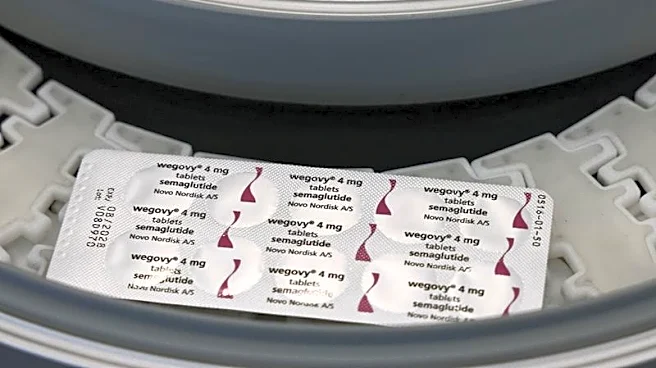
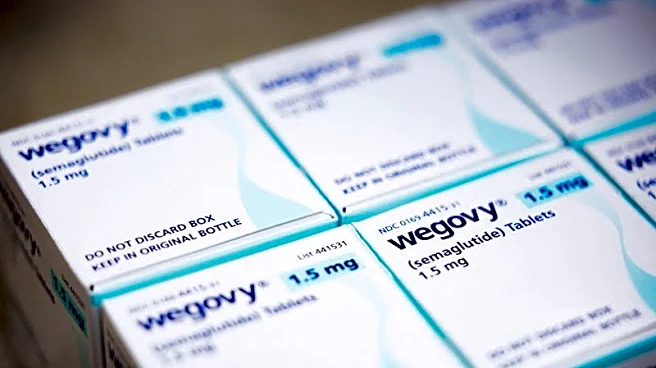
billion and Zepbound generating $4.93 billion. These two drugs accounted for 64.7% of Lilly's revenue in the quarter. The company also raised its full-year revenue forecast, and its shares rose by over 5% in early trading. This performance has widened Lilly's lead over its Danish competitor, Novo Nordisk, which recently launched an oral version of its Wegovy weight-loss drug in the U.S.
Why It's Important?
The strong sales of Mounjaro and Zepbound highlight Eli Lilly's dominant position in the lucrative obesity and diabetes treatment market. The company's ability to exceed sales expectations and raise its revenue forecast is a positive signal to investors, indicating robust demand for its GLP-1 treatments. The U.S. government's pilot program to provide obesity medications through Medicare could further boost sales, as it expands access to these treatments for older adults and those with disabilities. This development underscores the growing importance of pharmaceutical innovation in addressing public health challenges and the potential for significant market growth.
What's Next?
Eli Lilly's continued success in the obesity and diabetes market will depend on its ability to maintain strong sales volumes and capitalize on expanded Medicare access. The company's strategic focus on international markets and the potential for new patient acquisitions through Medicare could drive further growth. As competition with Novo Nordisk intensifies, Lilly may explore additional innovations or partnerships to strengthen its market position. Investors and industry analysts will be closely monitoring these dynamics to assess the company's long-term growth prospects.