





What's Happening?
PG&E's Engineering, Planning, and Strategy (EP&S) organization is offering a Rotational Development Program for Electrical Power Systems Trainees. This 12-month program provides engineers with the opportunity to gain meaningful experience in up to two
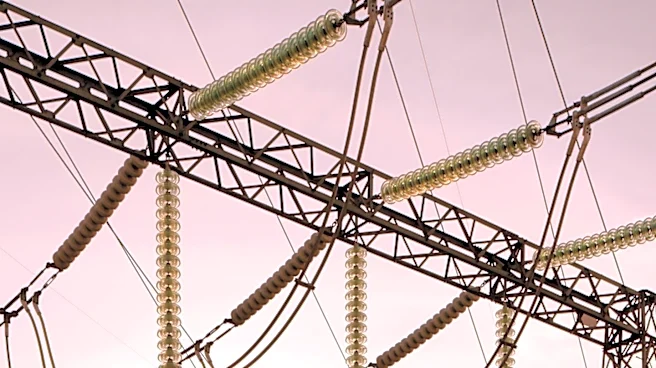
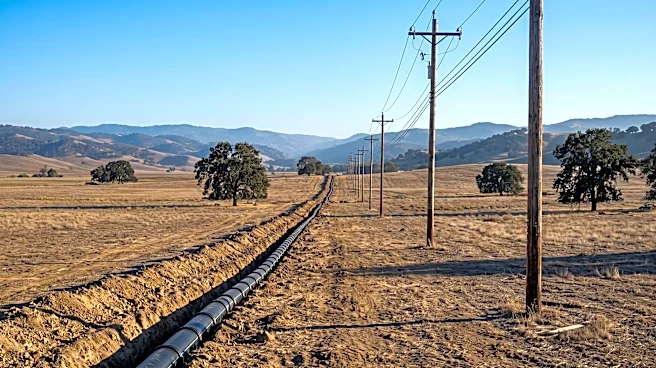
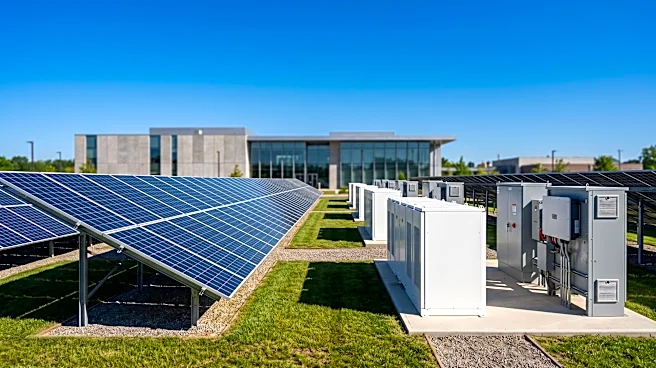
departments within Electric Engineering, focusing on improving PG&E's extensive electric transmission and distribution facilities. The program aims to engineer the grid of the future by leveraging renewable energy sources, traditional utility infrastructure, and cutting-edge technology to deliver safe, reliable, and affordable energy. Participants will engage in six-month rotations within various departments, including Distribution Asset Planning, Transmission Systems Planning, Distribution Planning – Distributed Generation, Distributions Operations Engineering, System Protection, and Grid Innovation. Qualified candidates must have a Bachelor’s or Master’s degree in Electrical Engineering from an ABET-accredited university, received between May 2025 and July 2027.
Why It's Important?
This Rotational Development Program is crucial for PG&E's long-term strategy to modernize and strengthen its electric grid. By investing in new engineering talent, PG&E is addressing the growing complexities of grid management, which include integrating renewable energy, enhancing system resilience against natural disasters, and improving overall reliability. The program's focus on diverse areas like system protection, grid innovation, and distributed generation planning ensures that future engineers will have a comprehensive understanding of the challenges and opportunities within the utility sector. This initiative is vital for maintaining a skilled workforce capable of designing and implementing advanced solutions for California's energy infrastructure. The development of these engineers will directly impact the safety, reliability, and affordability of energy for millions of customers, contributing to the state's economic stability and environmental goals.
What's Next?
Successful candidates in PG&E's Rotational Development Program will embark on a structured 12-month journey, completing two six-month rotations within different Electric Engineering departments. During these rotations, trainees will contribute to departmental successes and gain practical experience in various aspects of electric power systems. The program is designed to develop expertise in areas such as power systems analysis, transmission lines, system protection/substations, and grid innovation. Upon completion, these engineers will be equipped with a broad skill set and a deep understanding of PG&E's operations, positioning them to take on critical roles in the company's ongoing efforts to engineer the grid of the future. PG&E's continuous investment in talent through such programs ensures a pipeline of skilled professionals capable of addressing evolving energy challenges and supporting the company's strategic objectives.
Beyond the Headlines
PG&E's Rotational Development Program highlights a broader trend within the utility industry: the urgent need to attract and cultivate a new generation of engineers capable of navigating the complexities of a rapidly transforming energy landscape. This program is not merely a recruitment effort; it's an investment in the intellectual capital required to achieve ambitious goals like grid modernization, renewable energy integration, and enhanced climate resilience. The emphasis on 'engineering the grid of the future' underscores the shift from traditional, centralized power systems to more distributed, intelligent, and sustainable models. By exposing young engineers to diverse facets of electric engineering, PG&E is fostering a holistic understanding of the energy ecosystem, which is essential for innovative problem-solving. This initiative also reflects the increasing demand for specialized skills in areas like grid innovation and distributed generation, signaling a fundamental change in the competencies required for success in the utility sector.