







What's Happening?
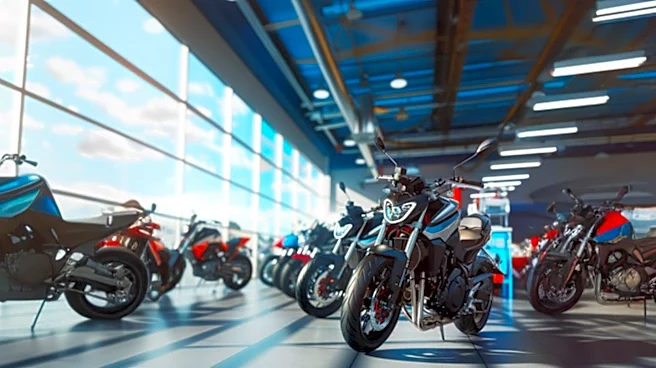
Bangladesh's motorcycle industry, despite rapid domestic growth, faces significant challenges in expanding its export capabilities. The industry is heavily reliant on imported parts, as local production is limited to only a few components. This dependency
increases vulnerability to global supply chain disruptions and raises production costs. Industry leaders argue that the current regulatory framework and incentives are insufficient compared to those in competing countries like India. They call for tax incentives, improved logistics, and better access to financing to enhance local component production and reduce import reliance.
Why It's Important?
The development of a robust motorcycle export industry could significantly boost Bangladesh's economy by creating jobs and increasing foreign exchange earnings. However, the current challenges highlight the need for strategic policy interventions to enhance competitiveness. By addressing these issues, Bangladesh could position itself as a key player in the global motorcycle market, similar to India. The success of this industry could also serve as a model for other sectors looking to expand their export potential.
What's Next?
Industry leaders are advocating for government action to improve the business environment for motorcycle manufacturers. This includes calls for policy reforms, such as tax incentives and easier access to financing, to encourage investment in local component production. If these measures are implemented, they could lead to increased production capacity and competitiveness in the international market. The government's response to these calls will be crucial in determining the future trajectory of Bangladesh's motorcycle industry.