







What's Happening?
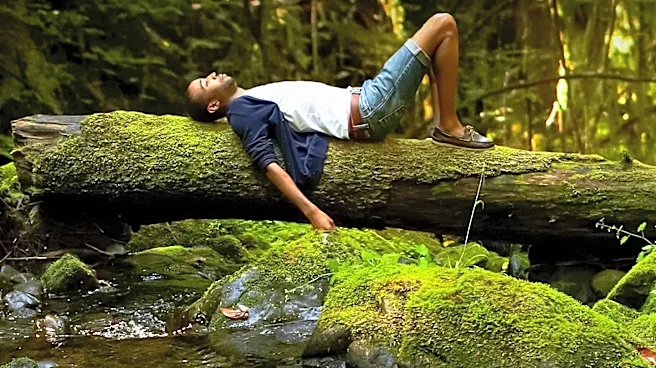
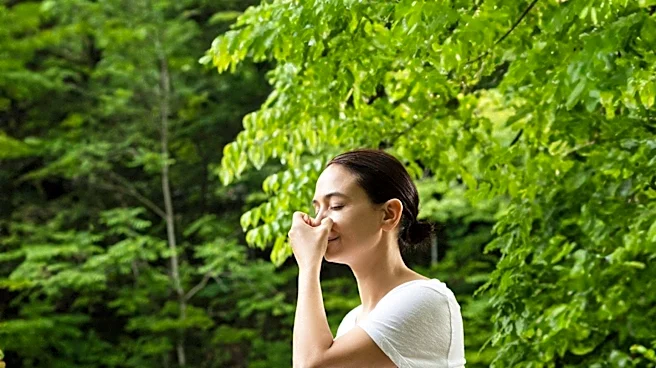
Forest bathing, known as shinrin-yoku in Japan, is a practice that involves immersing oneself in nature to reduce stress and improve overall well-being. This practice was formalized in Japan in the 1980s as a response to stress-related health issues.
It involves spending time in natural environments, such as forests, to engage the senses and promote relaxation. Scientific studies have shown that forest bathing can boost immune function, lower cortisol levels, and reduce anxiety. The practice is accessible to people of all ages and abilities and can be done in any green space, not just wilderness areas.
Why It's Important?
The growing interest in forest bathing highlights a broader societal shift towards natural and holistic approaches to health and wellness. As stress-related health issues continue to rise, practices like forest bathing offer a simple, cost-effective way to improve mental and physical health. This trend also underscores the importance of preserving natural spaces and integrating them into urban planning to enhance public health. The practice's accessibility makes it an attractive option for a wide range of individuals seeking to improve their well-being without the need for specialized equipment or training.
What's Next?
As awareness of forest bathing increases, it is likely that more guided sessions and structured programs will become available, particularly in urban areas where access to nature may be limited. This could lead to collaborations between health professionals and environmental organizations to promote the practice as part of public health initiatives. Additionally, further research into the specific health benefits of forest bathing could solidify its role in preventive healthcare strategies.
Beyond the Headlines
Forest bathing not only offers health benefits but also encourages a deeper connection with nature, which can foster environmental stewardship. By spending time in natural settings, individuals may develop a greater appreciation for the environment and be more motivated to support conservation efforts. This cultural shift towards valuing nature could have long-term positive impacts on environmental policies and sustainability practices.