






What's Happening?
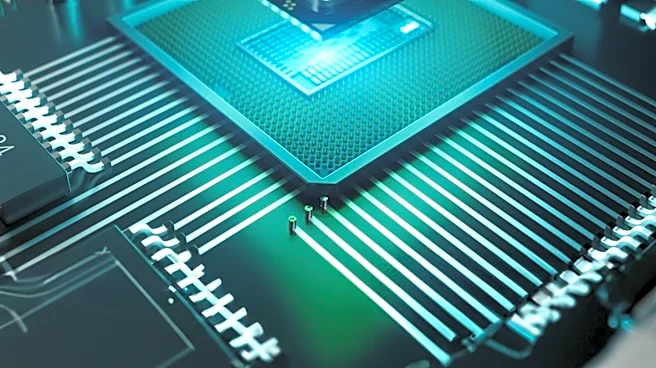
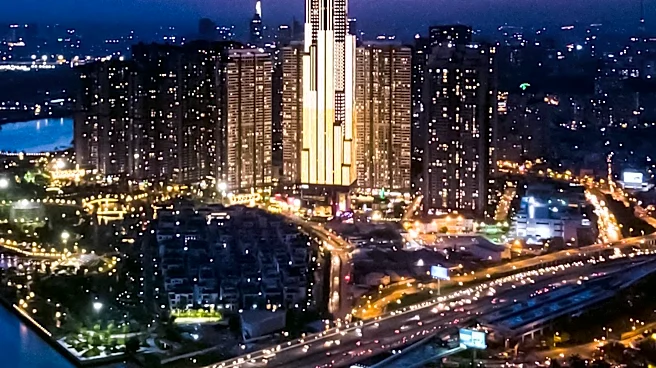
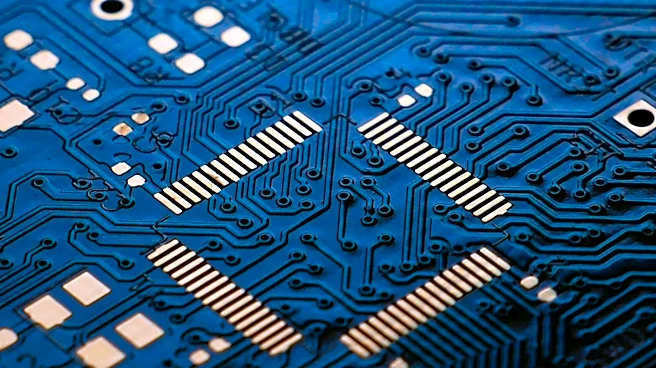
Vietnam is undergoing a significant economic transformation, moving from a low-cost manufacturing base to a high-value technology hub. This shift is driven by increased foreign direct investment in advanced sectors such as electronics, semiconductors,
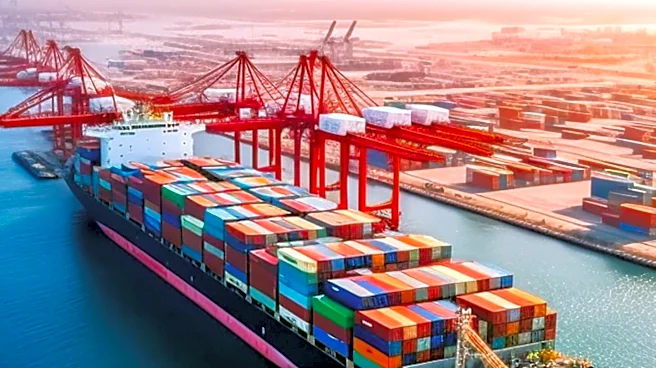
and automation. Companies like Air Liquide and Schneider Electric are expanding their operations in Vietnam, focusing on technology and engineering projects. The World Bank highlights Vietnam's resilience against global economic shocks, predicting that its growth will surpass most ASEAN economies and major emerging markets in the coming years. The country's competitive edge is now based on political stability, a skilled workforce, and strong trade links with major markets like the US and the EU.
Why It's Important?
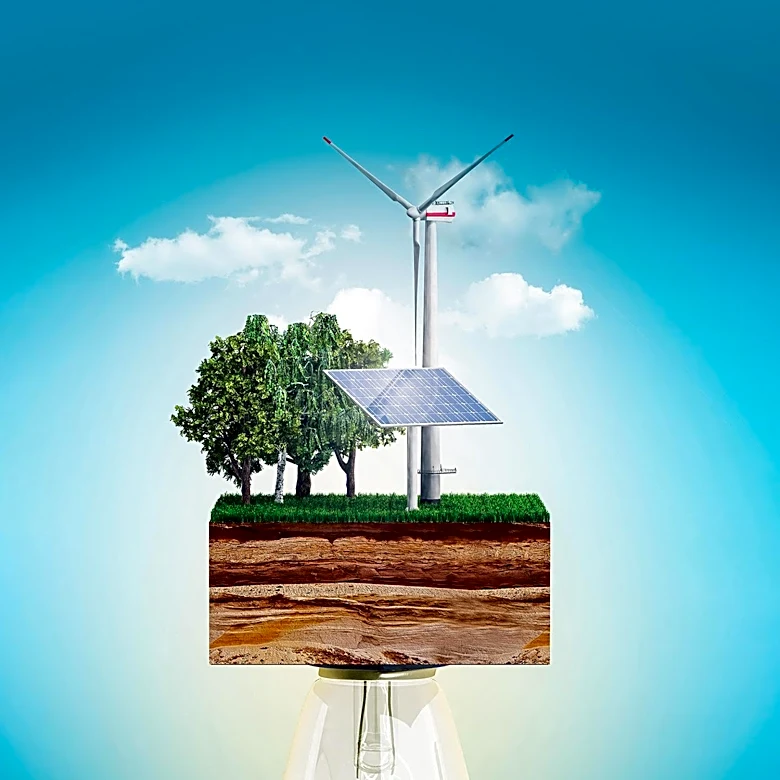
Vietnam's transition to a high-value tech hub has significant implications for its economic future and regional standing. By attracting investments in advanced manufacturing and technology, Vietnam is positioning itself as a critical player in global industrial value chains. This shift could lead to increased economic resilience and growth, reducing reliance on low-cost labor and enhancing its competitive advantage. However, challenges remain, such as the need to improve domestic firms' access to finance and integrate them into global value chains. The focus on clean energy and sustainable practices is also crucial for meeting international environmental standards and attracting high-tech investors.
What's Next?
Vietnam's government plans to invest heavily in strategic infrastructure, which is expected to drive long-term economic expansion. However, the country must address structural challenges, such as the gap between foreign-invested and domestic firms and the need for a skilled workforce to support advanced industries. The development of renewable energy infrastructure is also essential to meet the demands of high-tech investors. As Vietnam continues to evolve, it will need to balance these challenges with its growth ambitions to solidify its position as a high-value tech hub.
Beyond the Headlines
Vietnam's economic transformation reflects broader trends in global manufacturing, where countries are moving up the value chain to focus on technology and innovation. This shift has cultural and social implications, as it requires a more educated and skilled workforce, potentially leading to changes in education and training systems. Additionally, the emphasis on sustainable practices aligns with global efforts to address climate change, positioning Vietnam as a leader in environmentally responsible manufacturing.