





What's Happening?
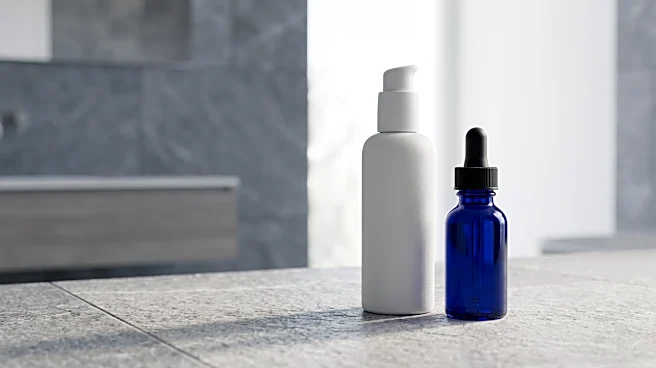
Skin Perfection, a skincare brand, is emphasizing the role of skin rejuvenation serums, particularly those with a peptide focus, in addressing visible signs of aging. The brand's philosophy centers on using concentrated ingredients like peptides, humectants,
antioxidants, and barrier-supporting lipids to improve skin appearance. These serums aim to tackle issues such as dehydration, rough texture, fine lines, uneven tone, and reduced firmness. While humectants can offer quick improvements in smoothness and freshness, peptides and antioxidants are highlighted for their gradual, long-term benefits in enhancing texture and elasticity. The company stresses that these serums are not a replacement for professional medical treatments or for restoring lost facial volume, but rather a daily support system for skin health. Kari Thomas, founder of Skin Perfection, advocates for clear information and clean ingredient selection in skincare, guiding consumers to choose formulas based on their skin's condition, tolerance, and goals. The brand's Ten's Up Skin-Tight Booster is presented as a key product embodying this peptide-focused approach.
Why It's Important?
This focus on peptide-based skin rejuvenation serums is important for the U.S. skincare industry as it reflects a growing consumer demand for targeted, science-backed anti-aging solutions that prioritize ingredient transparency and gentler formulations. Many consumers are seeking alternatives to more aggressive treatments like retinoids, especially those with sensitive skin. By highlighting the benefits of peptides in supporting firmness and smoother texture, Skin Perfection is catering to a segment of the market that values gradual improvements and a comfortable user experience. This approach can influence product development across the industry, encouraging more brands to invest in research and development for peptide technologies and other less irritating active ingredients. Furthermore, the emphasis on clear ingredient positioning and clean formulation aligns with broader trends in consumer health and wellness, where transparency and natural ingredients are increasingly valued. This could lead to a shift in marketing strategies and product labeling within the beauty sector, pushing for more detailed and honest communication about product efficacy and ingredients.
What's Next?
Moving forward, the skincare market is likely to see an increased proliferation of peptide-focused serums and other anti-aging products that emphasize ingredient transparency and gentler formulations. Brands will continue to innovate in the peptide space, exploring new combinations and delivery systems to enhance efficacy and user experience. Consumers can expect more detailed information about active ingredient concentrations and scientific evidence supporting product claims, as brands strive to meet the demand for informed choices. There may also be a greater emphasis on personalized skincare routines, with products designed to address specific concerns and skin tolerances. The trend towards 'clean beauty' and transparent ingredient sourcing will likely gain further momentum, influencing regulatory discussions and industry standards. Additionally, the integration of skincare with overall wellness, including discussions around lifestyle factors that impact skin health, will become more prominent in brand messaging and consumer education.
Beyond the Headlines
The emphasis on peptide-focused serums and transparent ingredient lists in the anti-aging market points to a deeper cultural shift in how consumers approach beauty and wellness. There's a growing skepticism towards quick fixes and exaggerated claims, leading to a demand for more evidence-based and sustainable skincare practices. This trend extends beyond just product ingredients to encompass ethical sourcing, environmental impact, and overall brand integrity. The move towards gentler, more supportive skincare, as opposed to aggressive treatments, also reflects a broader acceptance of natural aging processes while still seeking to maintain skin health and vitality. This could foster a more holistic view of beauty, where self-care and long-term skin health are prioritized over superficial, temporary results. Furthermore, the detailed discussions around ingredient efficacy and formulation philosophy could empower consumers to become more knowledgeable and discerning, driving a more educated and demanding market that holds brands to higher standards of transparency and scientific rigor.