



What's Happening?
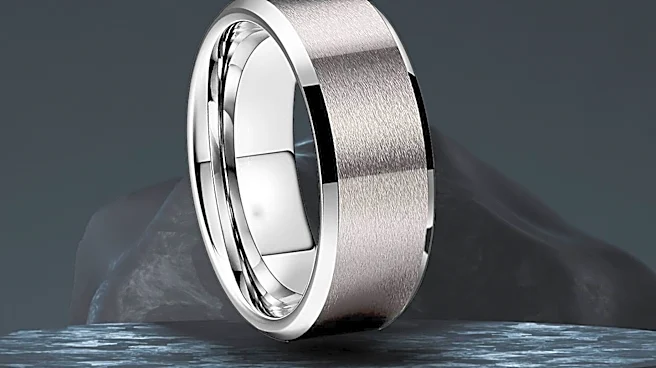
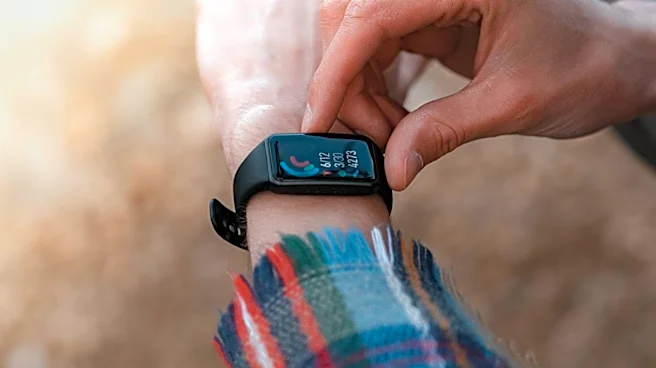
As smart rings gain popularity for their passive tracking capabilities, affordable fitness trackers are emerging as a competitive alternative. Devices like the Google Fitbit Air and Garmin CIRQA offer similar functionalities, such as tracking steps, workouts,
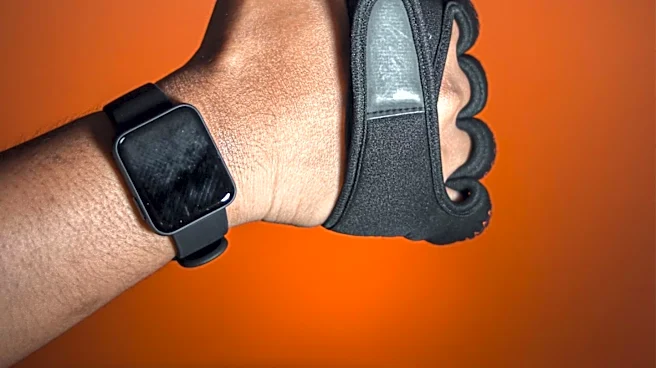
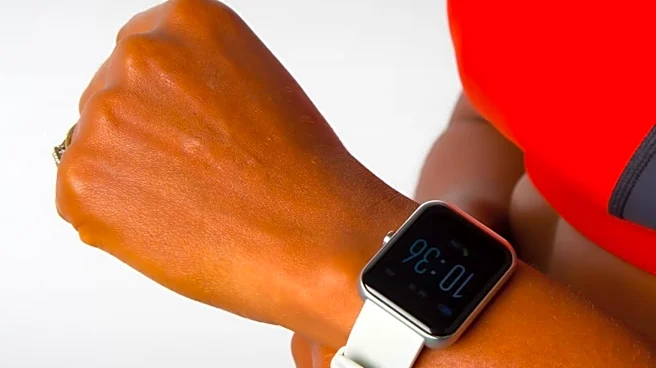
sleep, and vitals, without the need for a screen. These trackers provide a screen-free experience and are compatible with both Android and iOS devices. They can track over 150 workout types, surpassing the capabilities of most smart rings. Additionally, fitness trackers offer versatility in wearability, allowing users to switch bands or wear them as pendants, unlike smart rings which are limited by size and color.
Why It's Important?
The rise of affordable fitness trackers presents consumers with more options for health monitoring, potentially increasing accessibility to fitness technology. These devices offer a cost-effective solution for individuals seeking comprehensive health tracking without the higher price tag of smart rings. The versatility and functionality of fitness trackers may appeal to a broader audience, including those who prefer wrist-worn devices over finger-worn rings. This trend could influence the market dynamics of wearable technology, encouraging innovation and competition among manufacturers to offer more features at competitive prices.