





What's Happening?
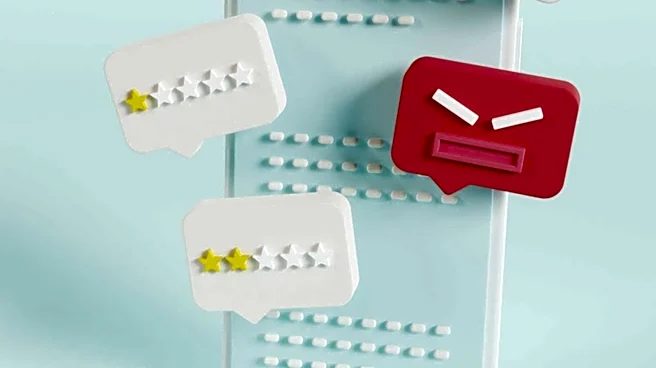
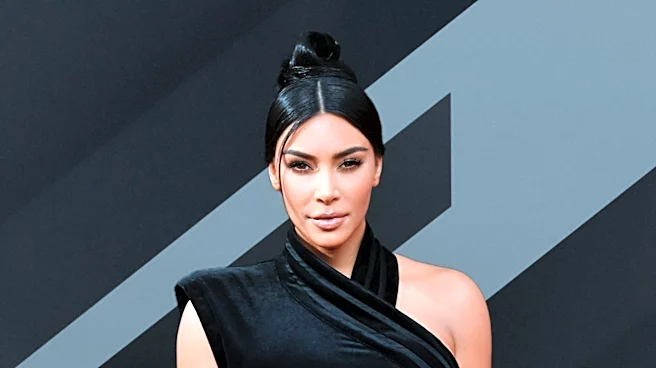
Kim Kardashian's brand, SKIMS, is reportedly offering full refunds or store credit to customers who purchased its $148 advent calendar. This decision comes after significant online backlash, which intensified following a viral TikTok video unboxing the
product. The video, posted by a creator who expressed disappointment with the calendar's contents, garnered over 45 million views. Many online users criticized the brand, arguing that the items included in the calendar did not justify its high price point. Comments on social media platforms suggested that consumers felt the value of the products was significantly less than the cost, with some comparing the contents to items found in dollar stores. The advent calendar had reportedly sold out upon its launch, with a waiting list for interested shoppers. A representative for SKIMS confirmed to Page Six that the company acknowledged customer feedback and was proactively reaching out to all purchasers to offer them a choice between a full refund or store credit for future SKIMS purchases.
Why It's Important?
This situation highlights the growing influence of social media, particularly platforms like TikTok, in shaping consumer perception and brand reputation. A single viral video can quickly escalate customer dissatisfaction into a widespread public relations challenge, forcing companies to respond rapidly. For SKIMS, a brand known for its strong online presence and celebrity endorsement, managing such backlash is crucial for maintaining consumer trust and loyalty. The decision to offer refunds or store credit demonstrates an attempt to mitigate negative sentiment and protect its brand image. This event also underscores consumer expectations regarding product value, especially for premium-priced items. When the perceived value does not align with the cost, consumers are increasingly vocal, and their collective voice can significantly impact sales and brand equity. The incident serves as a case study for other direct-to-consumer brands on the importance of product quality, pricing strategy, and responsive customer service in the digital age.
What's Next?
SKIMS has reportedly begun emailing customers who purchased the advent calendar with details regarding the refund and store credit options. The immediate next step for the brand will be to efficiently process these requests and ensure customer satisfaction with the resolution process. The long-term implications for SKIMS could involve a re-evaluation of its product development and pricing strategies, particularly for limited-edition or novelty items. The brand may also need to enhance its quality control and value proposition to prevent similar incidents in the future. Competitors in the celebrity-backed fashion and beauty sectors will likely observe how SKIMS navigates this situation, potentially influencing their own approaches to product launches and customer feedback management. The incident could also lead to increased scrutiny from consumers and influencers regarding the actual value of high-priced, exclusive product offerings across the industry.
Beyond the Headlines
The backlash against the SKIMS advent calendar touches upon broader themes of consumerism, perceived luxury, and the power dynamics between brands and their audience in the digital era. The incident raises questions about the true value of celebrity-endorsed products and whether consumers are paying for the brand name more than the intrinsic quality or utility of the items. It also highlights the evolving nature of product reviews, where unboxing videos by everyday consumers can hold more sway than traditional marketing campaigns. Ethically, brands face the challenge of transparently representing product value, especially when leveraging influencer marketing. Legally, while offering refunds is a common practice for customer dissatisfaction, the scale and public nature of this backlash could prompt discussions around consumer protection in the context of viral product disappointments. Culturally, this event reflects a growing consumer demand for authenticity and accountability from brands, particularly those with high public profiles.