


What's Happening?
The U.S. economy experienced an unexpected loss of 23,000 jobs in July, as reported by the Bureau of Labor Statistics. This downturn marks a significant deviation from economists' expectations of a 95,000-job gain. The unemployment rate decreased slightly
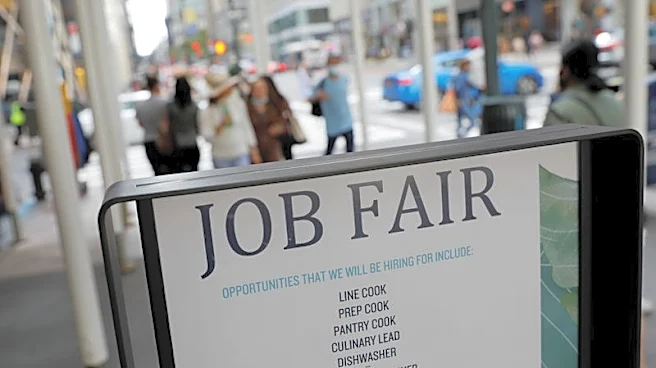
to 4.1% from 4.2%, attributed to a reduction in labor force participation. The job market has been characterized by a 'low-hire, low-fire' dynamic, with limited opportunities for job seekers. The healthcare and social assistance sector was the primary contributor to job gains, adding 22,600 positions. However, sectors such as local government and leisure and hospitality saw substantial job losses. Wage growth also stalled, with average hourly earnings rising by only 0.1% from June, while inflation remained at 3.5%.
Why It's Important?
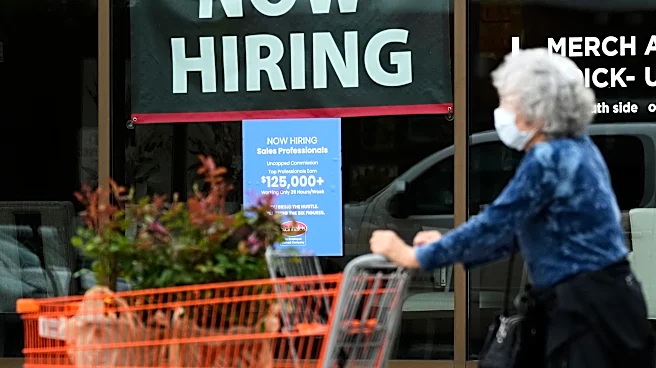
The unexpected job losses in July highlight underlying weaknesses in the U.S. labor market, which had shown signs of stabilization. The decline in job opportunities and stagnant wage growth could have broader economic implications, affecting consumer spending and economic growth. The cautious hiring approach by employers, driven by factors such as policy uncertainty and economic headwinds, may lead to prolonged challenges for job seekers. The uneven job growth across sectors suggests that certain industries may continue to face difficulties, impacting overall economic recovery.
What's Next?
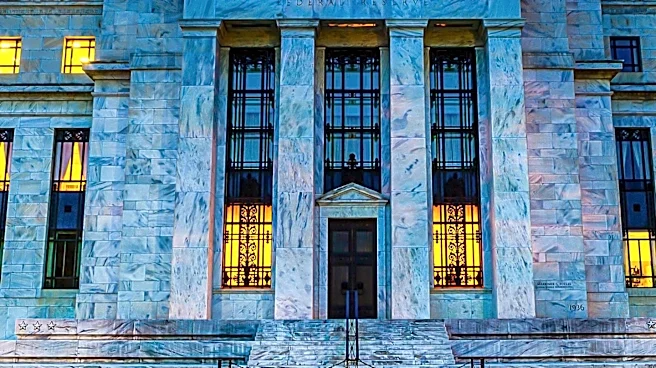
The labor market's future trajectory remains uncertain, with potential implications for monetary policy. The Federal Reserve may reconsider its approach to interest rate hikes, as indicated by the reduced odds of a rate increase in September. Employers may continue to adopt a cautious hiring strategy, relying on attrition and targeted layoffs. The evolving economic landscape, influenced by factors such as technological advancements and demographic shifts, will likely shape labor market dynamics in the coming months.