







What's Happening?
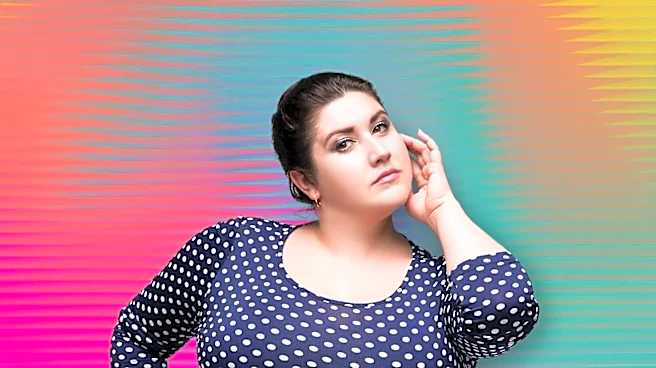
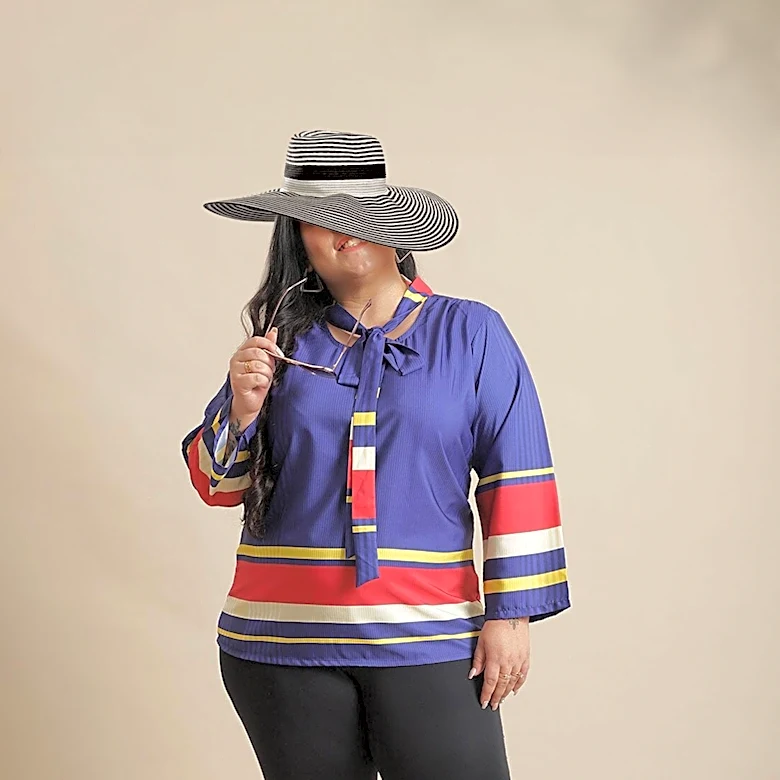
The fashion industry is increasingly catering to the demand for stylish plus-size clothing that offers high-end appeal without the high price tag. A recent article highlights a selection of plus-size dresses that appear more expensive than they are, featuring
designs that flatter various body shapes and use luxurious fabrics. Retailers are responding to the growing market for extended sizes by offering affordable options that do not compromise on style or quality. The article showcases a variety of dress styles, including classic wrap midi dresses, satin slip maxis, and velvet minis, all designed to enhance the wearer's silhouette while maintaining a budget-friendly price point.
Why It's Important?
This development is significant as it reflects a broader shift in the fashion industry towards inclusivity and affordability. The plus-size women's clothing market in the U.S. was valued at $58.8 billion in 2023, indicating a substantial consumer base that demands attention from fashion retailers. By offering stylish and affordable options, brands can tap into this lucrative market, potentially increasing their customer base and revenue. This trend also challenges the traditional fashion industry's pricing strategies, which often place a premium on extended sizes, thereby promoting a more equitable approach to fashion retail.
What's Next?
As the demand for plus-size fashion continues to grow, it is likely that more retailers will expand their offerings to include a wider range of sizes and styles. This could lead to increased competition among brands to provide the best value and quality, ultimately benefiting consumers. Additionally, the focus on affordability and style may encourage other sectors of the fashion industry to reevaluate their pricing and design strategies, fostering a more inclusive and diverse market.
Beyond the Headlines
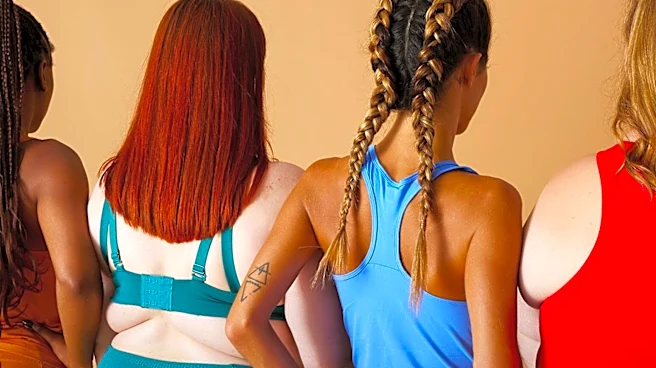
The rise of affordable plus-size fashion also has cultural implications, as it challenges societal norms and stereotypes about body image and beauty standards. By providing fashionable options for all body types, the industry is promoting body positivity and self-acceptance. This shift could have long-term effects on consumer attitudes and expectations, encouraging a more inclusive and diverse representation of beauty in media and advertising.