


What's Happening?
French dining culture is undergoing a significant shift, with elements traditionally associated with American practices becoming more prevalent. This 'Americanization' includes the increasing adoption of digital tipping systems and earlier dinner hours
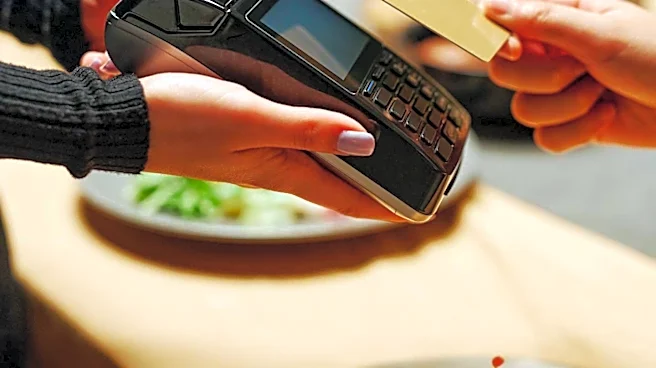
in Parisian restaurants. Historically, tipping in France has been discretionary, with a 15% service charge (service compris) already included in bills to cover staff wages. The French word for tip, 'pourboire,' literally means 'to drink,' reflecting its original purpose as a small gesture for staff. However, the introduction of digital payment options has led to widespread tipping prompts, similar to those in the U.S., appearing on card machines and QR codes. This trend is observed not only in full-service restaurants but also in fast-food establishments and cafes. Additionally, some new restaurants in Paris are opening as early as 6:30 p.m., aligning with North American dinner times, a departure from the traditional French dinner hour that typically starts around 7:30 p.m. and peaks at 8 p.m. The traditional leisurely, multi-course French lunch is also being replaced by shorter, takeout-friendly options.
Why It's Important?
This cultural shift in French dining has several important implications. For consumers, particularly French diners, the rise of digital tipping prompts can create a sense of pressure and discomfort, as many believe servers should be paid a fair wage by employers, not through customer gratuities. This contrasts sharply with the U.S. model where tips often constitute a significant portion of a server's income. The 'Americanization' of tipping could lead to a re-evaluation of labor practices and compensation in the French hospitality industry. For restaurateurs, while digital tipping can potentially increase staff earnings, some, like Christophe Souques, view it as 'tacky' and an infringement on customer discretion, potentially damaging the traditional rapport between server and diner. The shift to earlier dinner times and shorter lunch breaks reflects broader societal changes, including a faster-paced lifestyle and a desire for better work-life balance among restaurant staff. This could impact the perception of French culinary traditions, which are often associated with unhurried, social dining experiences. The phenomenon also highlights the influence of American soft power, as French consumers appear to separate their enjoyment of American cultural elements, such as food trends, from current American politics.
What's Next?
The trajectory of this 'Americanization' in French dining remains to be seen. The French government's decision to make card-based tipping tax-exempt until the end of 2028 has encouraged its adoption, but the long-term tax implications could influence its permanence. There is a growing debate among French journalists and philosophers regarding the regulation of digital tipping, with some calling for caps on gratuity percentages to maintain the 'French spirit of service being included.' Restaurateurs will continue to navigate the balance between adopting new trends and preserving traditional French dining values. The acceptance of earlier dinner times and quicker lunches may become more widespread, especially among younger generations and tourists, potentially leading to a permanent alteration of dining habits. The ongoing discussion about tipping culture could also prompt a re-evaluation of server wages and employment models within the French hospitality sector, potentially moving towards a system that better supports staff without solely relying on customer gratuities.
Beyond the Headlines
The 'Americanization' of French dining extends beyond mere transactional changes; it touches upon deeper cultural values and national identity. The resistance to digital tipping, as articulated by philosopher Jean-Loup Bonnamy, who called it 'a servile and misunderstood form of Americanization,' underscores a concern about the erosion of French cultural norms. The traditional French dining experience emphasizes discretion, professionalism, and a less transactional relationship between server and customer. The imposition of explicit tipping prompts challenges this ethos, potentially transforming a subtle cultural exchange into a more overt financial transaction. This shift also raises questions about the global influence of American consumer culture and its ability to permeate even deeply ingrained traditions in other nations. The debate over tipping and dining hours reflects a broader tension between modernization, global trends, and the preservation of unique cultural heritage. It highlights how seemingly minor changes in daily life can spark significant discussions about national identity and cultural authenticity in an increasingly interconnected world.