






What's Happening?
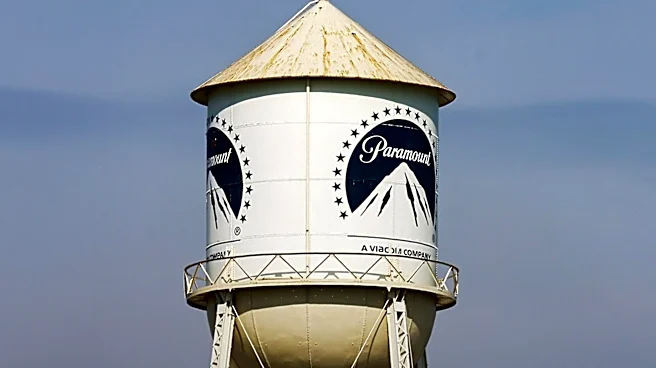
Paramount has committed to releasing 30 films per year in U.S. cinemas if its acquisition of Warner Bros. is successful. This promise is part of agreements with major cinema chains and aims to address antitrust concerns raised by 12 U.S. states. The acquisition,
valued at $110 billion, has faced legal challenges due to fears it could lead to excessive control over the film industry and job losses. Paramount's commitment is seen as a strategy to mitigate these concerns and demonstrate its dedication to maintaining a robust film production schedule.
Why It's Important?
The acquisition of Warner Bros. by Paramount represents a significant consolidation in the film industry, potentially altering the competitive landscape. By committing to a high volume of film releases, Paramount seeks to reassure stakeholders and regulators that the merger will not stifle creativity or reduce employment opportunities. This move could set a precedent for how major media mergers address antitrust issues, influencing future industry consolidations. The outcome of this acquisition will have implications for cinema chains, filmmakers, and audiences, potentially affecting the diversity and availability of films in the market.
What's Next?
The antitrust trial concerning the acquisition is scheduled for March. Paramount's agreements with cinema chains may serve as a model for resolving the legal challenges. The outcome of the trial will determine whether the acquisition proceeds and could influence future regulatory approaches to media mergers. Stakeholders, including cinema operators and industry professionals, will be closely monitoring the situation to assess its impact on the film industry and market dynamics.