



What's Happening?
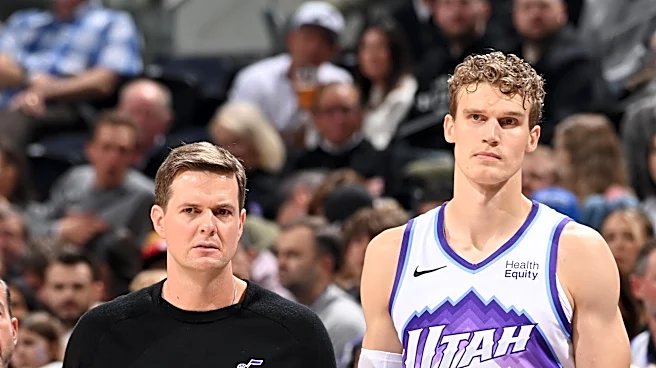
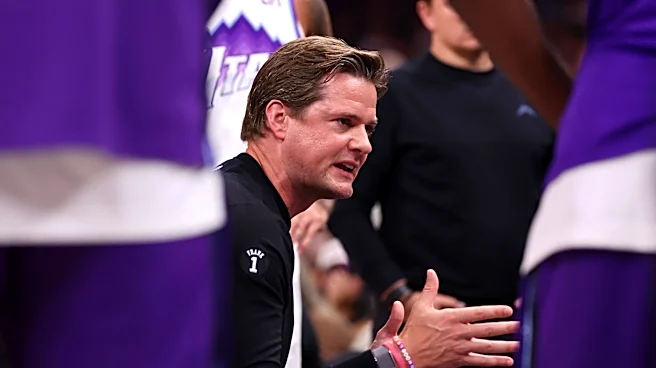
Utah Jazz owner Ryan Smith has publicly expressed his continued support for head coach Will Hardy and the front office, led by president of basketball operations Austin Ainge, despite the team's disappointing 1-8 start to the season. Speaking on KSL’s
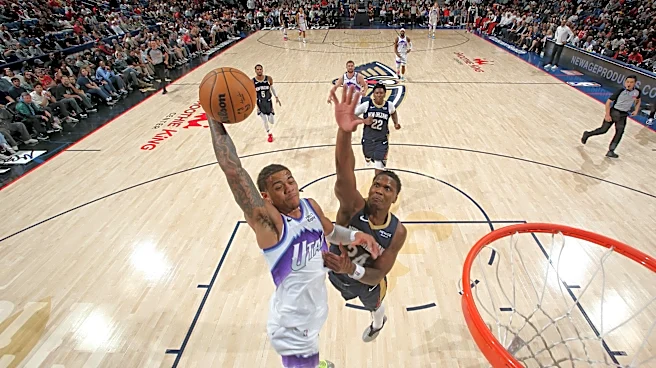
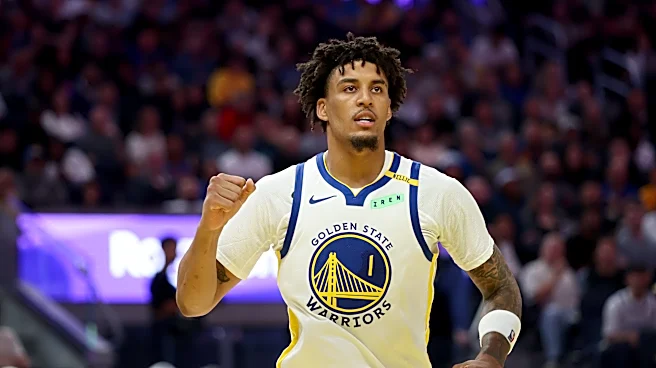
“Scotty G. & The Coach” podcast, Smith stated, “Will’s our guy. Austin’s our guy. Like we’re not changing anything.” This declaration comes as the Jazz face fan unhappiness and scrutiny over their performance, particularly after spending the last four years in a rebuilding phase. Smith acknowledged the team's inconsistency and the frustration it has caused, attributing some of the early struggles to injuries sustained by frontcourt starters Jusuf Nurkic and Jaren Jackson Jr. He emphasized that the organization views this season as part of a longer-term plan, aiming for a championship within two to four years, and highlighted the development of young players like Keyonte George, Darryn Peterson, and Ace Bailey as crucial to their future success. Smith also pointed to the team's significant stockpile of first-round draft picks and financial flexibility as assets for future roster upgrades.
Why It's Important?
This public endorsement from owner Ryan Smith is crucial for maintaining stability and confidence within the Utah Jazz organization during a challenging period. In professional sports, a slow start often leads to speculation about coaching changes or front office shake-ups, which can destabilize a team and impact player morale. Smith's clear statement of support for Will Hardy and Austin Ainge signals a commitment to their long-term vision, potentially alleviating pressure on the coaching staff and management. This approach allows the team to focus on player development and strategic planning rather than immediate results, which is particularly important for a team with a young core and a stated goal of contending for championships in the coming years. For fans, this message might temper expectations for the current season while reinforcing the organization's commitment to a sustained path to success. The emphasis on financial flexibility and draft capital also indicates a strategic approach to team building, suggesting that the Jazz are positioning themselves for significant moves in future seasons, which could have a substantial impact on the competitive landscape of the NBA.
What's Next?
Following Ryan Smith's reaffirmation of support, the Utah Jazz are expected to continue their current strategic path, focusing on the development of their young players and integrating them into the team's system. Head coach Will Hardy and the front office will likely proceed with their long-term vision, prioritizing growth and cohesion over immediate win-loss records, especially given the acknowledged injuries to key players. The team's performance in the coming weeks will be closely watched, but significant changes in coaching or management are unlikely in the short term. Fans will be looking for signs of improvement in consistency and the progression of the young talent. The Jazz's stockpile of first-round picks and financial flexibility suggest that future offseasons could see strategic acquisitions to complement their developing core, aligning with Smith's stated goal of contending for a championship within the next two to four years. The organization will likely continue to communicate its long-term strategy to its fanbase to manage expectations and maintain support.
Beyond the Headlines
The Jazz's current situation and owner Ryan Smith's response highlight a broader trend in professional sports ownership: the tension between immediate results and long-term strategic planning. In an era where fan expectations and media scrutiny are intense, owners often face pressure to make quick changes when a team underperforms. Smith's decision to publicly back his coach and front office, despite a poor start, demonstrates a commitment to a patient, developmental approach. This strategy, while potentially frustrating for fans in the short term, can lead to more sustainable success by allowing a consistent vision to take root and young talent to mature without constant fear of disruption. It also reflects a belief in the chosen leadership's ability to execute a multi-year plan. The ethical implication here is the balance between satisfying the immediate desires of the fanbase and making decisions that are strategically sound for the long-term health and competitiveness of the franchise. This approach could serve as a model for other sports organizations facing similar challenges, emphasizing the value of stability and a clear vision over reactive decision-making.