



What's Happening?
The Big Butler Fair, recognized as the largest fair in Western Pennsylvania, is preparing to open its gates to the public. The event promises a variety of attractions and entertainment options for attendees. Daisy Jade, reporting live from the fairgrounds,
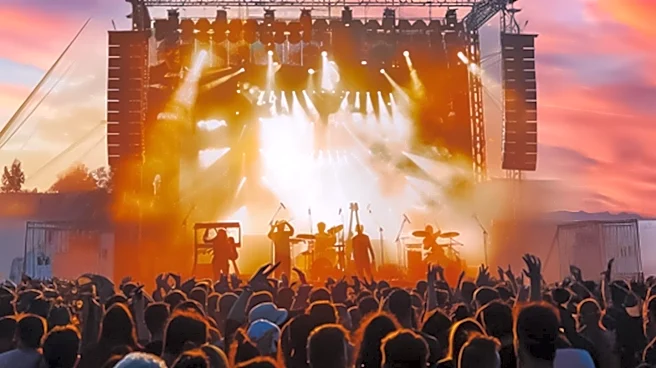
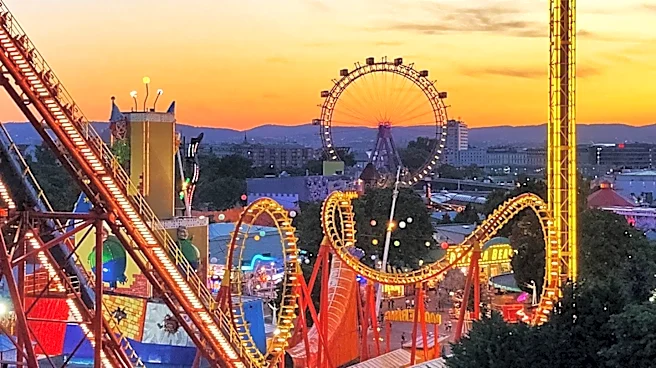
highlights the diverse range of activities available, which are expected to draw significant crowds. The fair is a staple in the region, offering a mix of traditional fair activities, including rides, games, and food stalls, alongside live entertainment and exhibitions. This annual event is a significant cultural and social gathering for the local community, providing a platform for local vendors and performers to showcase their talents and products.
Why It's Important?
The Big Butler Fair is an important cultural event for Western Pennsylvania, serving as a major attraction that boosts local tourism and the economy. It provides a venue for local businesses and artisans to reach a wider audience, potentially increasing their sales and visibility. The fair also fosters community spirit and offers a space for social interaction, which is vital for community cohesion. Additionally, such events can have a positive impact on local employment, providing temporary jobs and opportunities for local residents. The fair's success can influence future events and investments in the region, highlighting the importance of cultural and recreational activities in economic development.
What's Next?
As the fair opens, organizers and local authorities will likely focus on ensuring a smooth and safe experience for all attendees. This includes managing crowd control, maintaining safety protocols, and providing adequate facilities and services. The success of the fair could lead to increased interest and participation in future events, encouraging organizers to expand offerings and attractions. Feedback from attendees will be crucial in planning subsequent fairs, potentially influencing the types of activities and entertainment provided. The fair's outcome may also impact local policy decisions regarding support and funding for cultural events.