



What's Happening?
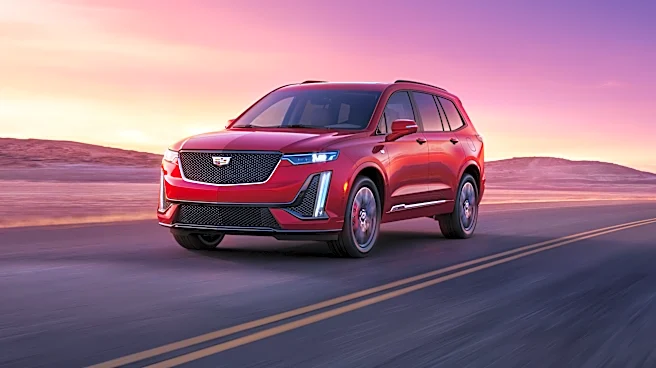
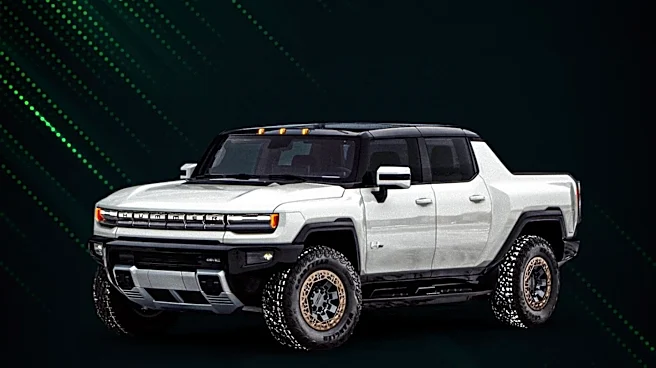
General Motors (GM) is strategically leveraging the profitability of its internal combustion engine (ICE) trucks and SUVs to finance its significant pivot towards electric vehicles (EVs). The company manages a diverse portfolio of brands, including Chevrolet,
Buick, GMC, and Cadillac, distributing vehicles through an extensive network of independent authorized dealers to both retail and fleet customers. While GM aims for a future with 'Zero Crashes, Zero Emissions, and Zero Congestion,' its current financial model relies heavily on traditional vehicle sales to support its technological advancements in EVs. This approach comes as the automotive industry undergoes a transformative shift, with companies like GM navigating the complexities of evolving consumer demands and technological innovation. The company faces potential risks if the adoption rate of electric vehicles does not meet anticipated levels in the coming years. Additionally, GM is contending with ongoing litigation concerning product quality and heightened regulatory scrutiny regarding vehicle emissions and data privacy practices.
Why It's Important?
This strategy is crucial for the U.S. automotive industry as it highlights the financial balancing act major manufacturers must perform during the transition to electric vehicles. GM's reliance on ICE profits underscores the significant capital investment required for EV development and manufacturing infrastructure. A slower-than-expected consumer adoption of EVs could jeopardize GM's long-term financial stability and its ability to compete effectively in the evolving global market. The success or failure of this strategy will have ripple effects across the U.S. economy, impacting supply chains, employment in manufacturing sectors, and the broader energy transition. Furthermore, the ongoing legal and regulatory challenges regarding product quality, emissions, and data privacy could impose substantial costs and reputational damage, potentially diverting resources from EV innovation. This situation also reflects a broader industry trend where legacy automakers must innovate while maintaining their traditional revenue streams to fund future growth.
What's Next?
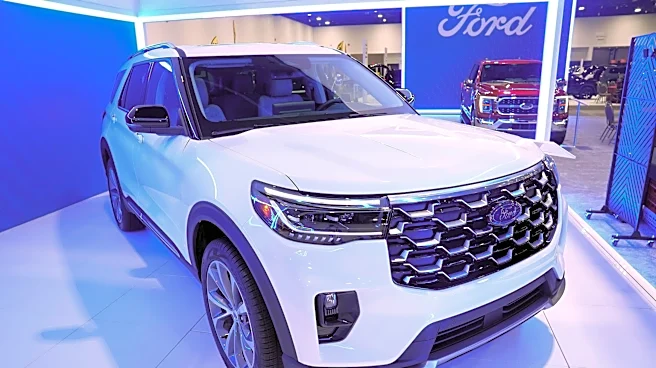
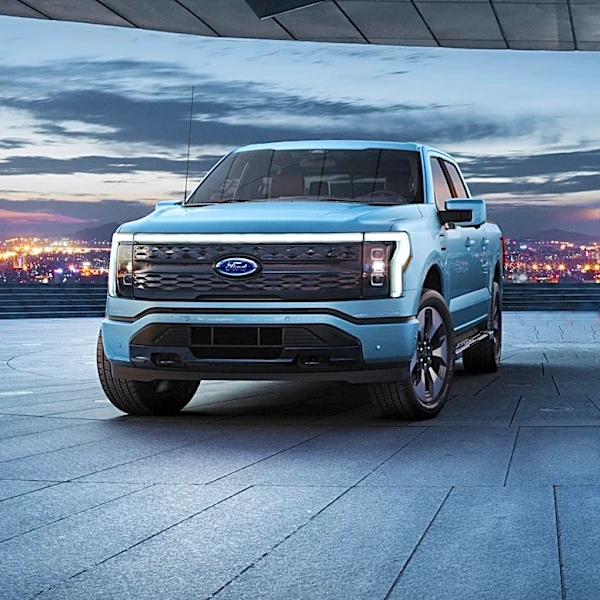
General Motors will likely continue to monitor consumer adoption rates of electric vehicles closely, adjusting its production and investment strategies accordingly. The company will need to navigate the balance between maximizing profits from its ICE portfolio and accelerating its EV development to meet its 'Zero Emissions' vision. Future financial reports will provide insights into the effectiveness of this dual strategy, particularly regarding EV sales growth and the sustained profitability of its traditional segments. GM will also need to address ongoing litigation and regulatory pressures effectively to mitigate financial and reputational risks. The competitive landscape, especially with the rise of new EV manufacturers and the continued presence of rivals like Ford, will necessitate continuous innovation and strategic market positioning from GM.
Beyond the Headlines
The strategic choices made by General Motors reflect a deeper tension within the automotive industry: the challenge of transitioning from a century-old business model to a future-oriented, sustainable one. This shift is not merely technological but also cultural and economic, impacting labor forces, infrastructure development, and consumer behavior. The ethical implications of relying on high-emission vehicles to fund green technology are also noteworthy, raising questions about corporate responsibility and the pace of environmental transition. The success of GM's strategy could serve as a blueprint for other legacy industries facing similar disruptive changes, while its challenges could highlight the pitfalls of an overly cautious or aggressive approach. This transition also has significant geopolitical implications, as global competition for EV market share intensifies, influencing trade policies and international collaborations.