







What's Happening?
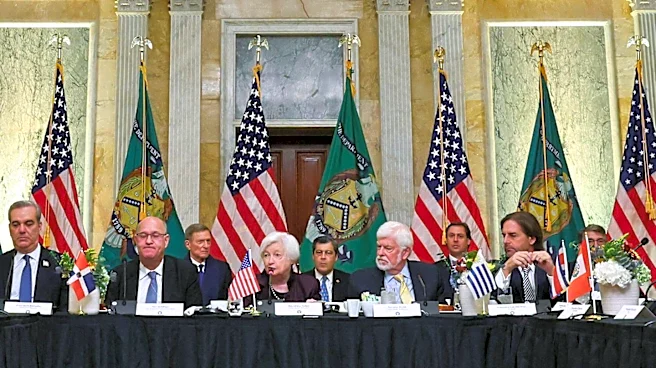
The 12th U.S. Treasury Market Conference, held in September, convened market participants, official sector representatives, and academics to discuss maintaining the smooth functioning of the Treasury market amidst ongoing structural changes. The conference
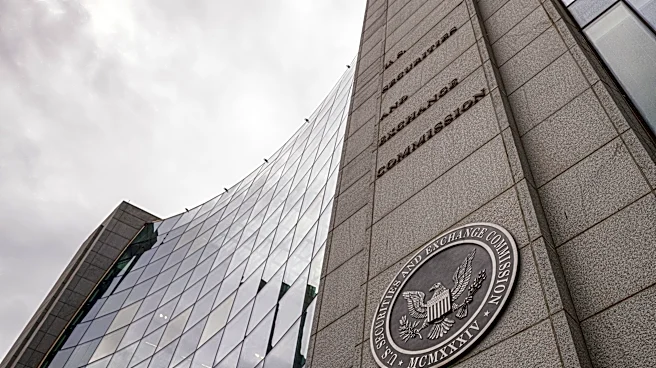
was organized by the U.S. Department of the Treasury, the Board of Governors of the Federal Reserve System, the Federal Reserve Bank of New York, the U.S. Securities and Exchange Commission (SEC), and the U.S. Commodity Futures Trading Commission (CFTC). Key themes included modernization in policy implementation, innovation in financial markets, and operational efficiency. Discussions covered proposals for investing Treasury General Account cash balances in repo, the implementation of Treasury market central clearing, and digital innovations. SEC Commissioner Mark Uyeda provided an update on the Treasury Clearing Rule, emphasizing compliance deadlines. New York Fed President John Williams spoke on the evolution of the Fed's monetary policy implementation framework, while Federal Reserve Vice Chair Philip Jefferson addressed efforts to modernize the discount window.
Why It's Important?
The U.S. Treasury market is a cornerstone of global financial markets, and its smooth functioning is critical for economic stability. The conference's focus on modernization, innovation, and efficiency underscores the need for the market to adapt to technological advancements and evolving financial landscapes. Discussions on central clearing are particularly significant, as enhanced clearing mechanisms aim to reduce systemic risk and improve market resilience. The exploration of digital innovations, including stablecoins and tokenized deposits, highlights the potential for new technologies to reshape how Treasury securities are traded and held, potentially broadening the investor base or reallocating existing investments. The collaborative effort among various U.S. financial regulators and market participants at this conference is essential for developing cohesive strategies to ensure the Treasury market remains robust and efficient, directly impacting government borrowing costs and overall financial market liquidity.
What's Next?
The SEC's central clearing mandate is approaching, and market participants are expected to continue working towards compliance and adapting to new clearing access models. Further discussions and developments are anticipated regarding the integration of tokenized assets into the Treasury market, which will necessitate infrastructure changes and shifts in trading behavior. The Treasury and the Federal Reserve will likely continue to introduce new ideas and policies for market implementation, which will ripple through the broader financial system. Ongoing collaboration between regulators, market participants, and academics will be crucial to navigate these changes and ensure the continued stability and efficiency of the U.S. Treasury market. The outcomes of these discussions will influence future regulatory frameworks and market practices.
Beyond the Headlines
The conference's emphasis on digital innovations, particularly stablecoins and tokenized deposits, points to a potential long-term transformation of the Treasury market. The debate over whether these digital assets will expand the investor base or merely reallocate existing investments touches upon fundamental questions about market structure and accessibility. The need to connect digital payment rails with traditional banking rails suggests a future where financial infrastructure is more integrated and potentially more efficient, but also presents new regulatory and operational challenges. The ongoing efforts to modernize the discount window and policy implementation frameworks reflect a proactive approach by U.S. authorities to ensure that the financial system remains adaptable and resilient in the face of rapid technological change and evolving global economic conditions. These developments could set precedents for other major financial markets worldwide.