









What's Happening?
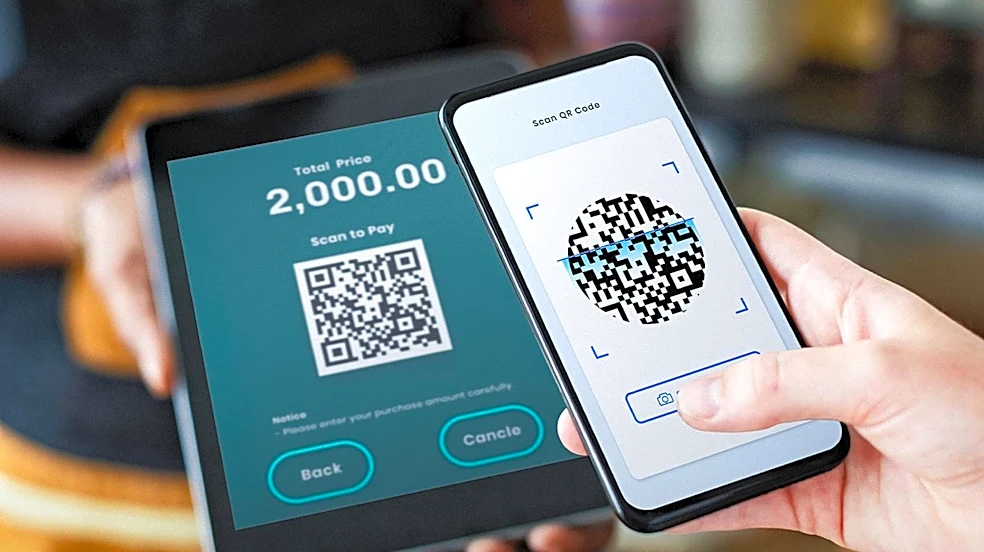
Fiserv and Zelle are collaborating to provide consumers with easy and convenient money movement solutions, leveraging the widespread adoption of smartphones, mobile payments, and e-commerce platforms. Consumers who were previously hesitant to conduct
business online are now embracing digital payments, including person-to-person (P2P) transactions, at an unprecedented rate. Zelle has positioned P2P payments as a financial institution-centric service, making it a necessity for banks and credit unions. Derek Swords, Vice President, Product Management at Fiserv, emphasizes the critical role Zelle plays in meeting consumer demands for seamless digital transactions. This collaboration underscores a broader trend where digital payment methods are becoming ubiquitous and essential for modern financial interactions.
Why It's Important?
The partnership between Fiserv and Zelle is significant for the U.S. financial landscape as it accelerates the shift towards a more digital and interconnected payment ecosystem. By making P2P payments financial institution-centric, Zelle enhances trust and security for consumers, encouraging wider adoption of digital money transfers. This move benefits financial institutions by allowing them to retain and attract customers who demand modern payment solutions. The increased embrace of digital payments, including mobile and e-commerce platforms, drives efficiency in transactions, reduces reliance on traditional payment methods, and supports the growth of the digital economy. This evolution is crucial for businesses and individuals alike, as it streamlines financial operations and provides greater convenience in managing personal finances.
What's Next?
The future will likely see continued innovation and expansion in digital payment services, with Fiserv and Zelle at the forefront. Expect further integration of P2P payments into broader financial services, potentially including enhanced features for small businesses and more sophisticated security protocols. The focus will remain on making digital money movement as seamless and secure as possible, catering to an increasingly digitally-savvy consumer base. Financial institutions will continue to prioritize offering robust digital payment options to stay competitive and meet evolving customer expectations. This trend suggests a future where digital transactions become the default, further reducing the need for physical cash and checks in everyday financial activities.
Beyond the Headlines
The widespread adoption of digital payment platforms like Zelle, facilitated by companies such as Fiserv, has deeper implications for financial literacy and inclusion in the U.S. While these platforms offer unparalleled convenience, they also necessitate a certain level of digital proficiency. There's a potential for a digital divide, where individuals without access to smartphones or reliable internet, or those less comfortable with technology, might be left behind. On the other hand, these platforms can also foster financial inclusion by providing accessible and low-cost ways to transfer money, especially for those who might not have traditional banking relationships. The ethical considerations around data privacy and the security of personal financial information will also become increasingly paramount as more transactions move into the digital realm, requiring robust regulatory frameworks and consumer education.