




What's Happening?
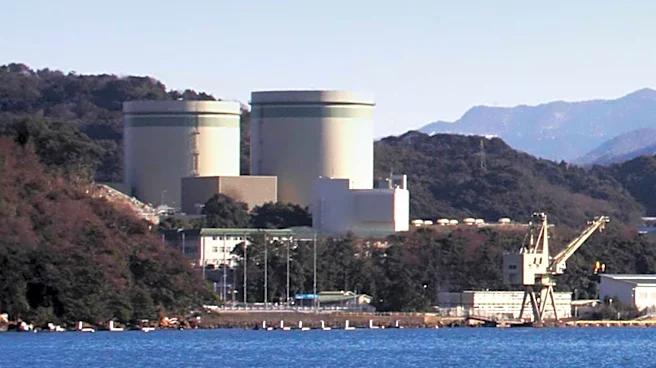
The Philippine Department of Energy (DOE) is progressing with the development of a tender framework for the competitive procurement of nuclear generation capacity. This initiative is part of the country's plan to integrate nuclear power into its energy
mix, aiming for 1,200 megawatts (MW) by 2032, increasing to 2,400MW by 2035, and 4,800MW by 2050. DOE Director Patrick T. Aquino presented revisions to the proposed Department Circular on guidelines for nuclear power plant tenders during a public consultation. These revisions incorporate feedback from various stakeholders, including the National Grid Corporation of the Philippines and Meralco, addressing critical aspects such as grid readiness, project delivery schedules, regulatory approvals, and pricing requirements. The proposal outlines that preliminary grid feasibility will influence tendered capacity, and bid requirements will cover substations, connection points, transmission needs, and grid synchronization. Construction timelines will depend on the nuclear technology and the winning bidder's approved plan, with authorization from the Philippine Atomic Energy Regulatory Authority (PhilATOM) being mandatory for construction and operation.
Why It's Important?
This move by the Philippines signifies a strategic shift towards diversifying its energy sources and enhancing energy security. By aiming to introduce nuclear power, the country seeks to reduce its reliance on fossil fuels and meet growing energy demands, which has significant implications for its economic development and environmental goals. The structured tender framework is crucial for ensuring transparency, efficiency, and the selection of viable projects. The emphasis on grid readiness and regulatory approvals highlights the complex infrastructure and safety considerations inherent in nuclear power development. Successful implementation could provide a stable, low-carbon energy supply, contributing to climate change mitigation efforts. However, the long construction timelines and the need for robust regulatory oversight underscore the challenges and risks involved, including public acceptance and the management of nuclear waste. The project's success could serve as a model for other developing nations considering nuclear energy.
What's Next?
The proposed Department Circular remains under consultation, with the DOE evaluating feedback from the second public consultation before finalizing the guidelines. Once finalized, the DOE will proceed with the competitive procurement process for nuclear generation capacity. Winning a tender will not automatically grant construction or operation rights; projects will still require authorization from PhilATOM and other necessary permits. The Energy Regulatory Commission will determine the price threshold, reserve price, or pricing methodology for each tender round. The phased approach to capacity procurement, starting with 1,200MW by 2032, indicates a long-term commitment to nuclear power. Future steps will involve detailed project planning, technology selection, and securing financing, all while navigating the stringent safety and environmental regulations associated with nuclear energy.
Beyond the Headlines
The Philippines' pursuit of nuclear power reflects a broader global trend among nations seeking reliable and clean energy sources amidst climate change concerns and volatile fossil fuel markets. This initiative could foster significant technological transfer and capacity building within the country, creating new jobs and expertise in nuclear science and engineering. However, it also raises deeper societal questions regarding energy independence, environmental justice, and the long-term implications of nuclear waste management. The public consultation process is vital for ensuring transparency and addressing community concerns, which are often significant in nuclear projects. The success of this framework will depend not only on technical and financial viability but also on robust governance, public trust, and the ability to manage potential risks effectively. This strategic energy decision could reshape the Philippines' industrial landscape and its role in regional energy discussions for decades to come.